Find the right ant killer that effectively targets the queen and disrupts the colony. This guide highlights top options for indoor and outdoor use, explains who each product is best for, and shows how to apply for quick, reliable control. Whether you’re dealing with sugar ants indoors or red imported fire ants outdoors, these selections emphasize baiting, colony suppression, and practical application tips for homeowners and rental properties alike.
Overview for quick comparisons: the top picks below are selected for clear, actionable use in homes and yards. Use this table to compare intended environments, delivery method, and target species focus.
| Product | Best For | Application Method | Notes |
|---|---|---|---|
| Ortho Orthene Ant Killer Ant Bait | Indoor, multi-ant problems | Bait stations | Kills queen and colony; fast visible reduction |
| Ortho Orthene Fire Ant Killer1 | Outdoor fire ants | Granules | 2-step system; quick action outdoors |
| Syngenta Advion Ant Gel | Indoor/outdoor тол | Gel bait | Broad species targeting; easy to apply |
| Catchmaster Defiant Premium Liquid Ant Killer | Indoor/outdoor, long-term | Liquid bait with stations | Kills queen and colony; year-long supply |
| Terro Ant Killer Bait Stations T300B | Indoor control of common ants | Liquid bait stations | Share bait to colony; effective on many species |
Ortho Orthene Ant Killer Ant Bait
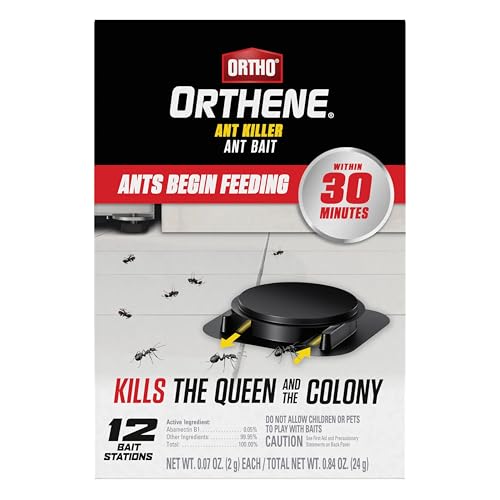
The Ortho Orthene Ant Killer Ant Bait uses bait stations to attack ants at the source. It targets the queen and the entire colony, with foraging workers sharing bait to spread the effect. This makes it well suited for indoor spaces where ants travel along baseboards, corners, and cabinets. Place bait along typical foraging routes—near pipes, in pantries, window sills, doorways, and garbage areas—for best access by ants. Expect noticeable reductions within 3 to 7 days as the colony declines.
Who it’s best for: households dealing with multiple indoor ant species and a visible trail that you want to disrupt quickly. This bait approach is preferable when you want ongoing factory-like disruption of nesting ants inside living spaces. A potential limitation: bait effectiveness depends on ants discovering and sharing the bait, so initial results depend on activity levels.
Why selected: it directly targets the queen and colony, using multiple stations to increase forager contact. The bait approach reduces activity relatively quickly and avoids heavy spraying indoors.
Ortho Orthene Fire Ant Killer1

Ortho Orthene Fire Ant Killer1 is designed for outdoor use, focusing on mound treatment and queen-targeted control. The 2-step system includes two 12 oz. bottles, with the option to pair with Ortho Fire Ant Killer Broadcast Granules for broader coverage. Fire ant granules begin working quickly, often showing results within an hour, allowing you to reclaim yard space for outdoor activities. It’s best for larger infestations where mounds and nesting patterns are visible across lawns and ornamental areas.
Who it’s best for: homeowners facing active fire ant mounds in lawns or garden beds who want a fast, outdoor solution. A caution: this product is designed for outdoor use; avoid applying near children’s play areas or edible gardens without following label directions.
Why selected: it targets the entire colony outdoors, with a rapid action window that helps you manage outdoor activity sooner. The paired system supports broader coverage beyond individual mounds.
Syngenta Advion Ant Gel
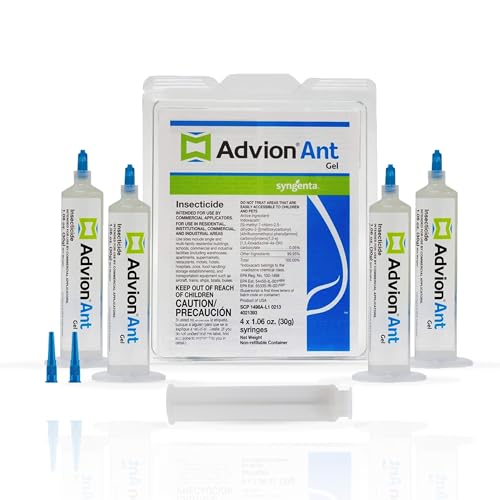
Advion Ant Gel from Syngenta provides targeted, non-repellent baiting that lures a range of ant species indoors and outdoors. It contains indoxacarb at 0.05%, a potent ingredient that helps workers carry bait back to nests, including queen and colony effects. The gel is odorless and easy to apply on surfaces such as cracks, crevices, and spaces beneath appliances. It’s effective against common species like Argentine, carpenter, and sugar ants, especially where trails are easily spotted.
Who it’s best for: households seeking a low-odor, easy-to-apply gel bait with broad species coverage. This option is preferable when you want a visible indoor application that won’t disrupt daily activities. Limitation: some users may require reapplication if bait is depleted before nest-wide effects occur.
Why selected: its broad-spectrum targeting and gel format make it simple to deploy in tight indoor spaces while delivering colony-level control as workers share bait.
Catchmaster Defiant Premium Liquid Ant Killer

This 1-year supply liquid ant bait system includes three and a half ounces of liquid bait per bottle and four bait stations that can be arranged as two covered traps. The Defiant system targets both the queen and colony for many common ants. The liquid bait is designed to be carried back by workers, promoting colony-wide exposure. It is effective against several species such as Acrobat, Crazy, Ghost, Sugar, Argentine, Odorous House, Pavement, and Little Black Ants, but not effective against carpenter, fire, or Pharaoh ants.
Who it’s best for: homes needing a year-round solution with refillable stations and a ready-to-deploy liquid bait. A caution: not all ant species are susceptible, so check local infestations if you’re dealing with specialized pests. This option is better when you want long-term coverage with reapplication flexibility.
Why selected: the year-long supply, combined with reusable stations, offers durable indoor and outdoor coverage while targeting nests through shared bait.
Terro Terro Liquid Ant Bait Stations T300B

Terro’s T300B liquid bait stations are designed for indoor use and targeted elimination of common household ants. The liquid bait is effective at attracting sugar-seeking ants and enables the entire colony to be impacted as workers share bait. It emphasizes speed with noticeable reductions in ant activity within days as the bait is carried back to nests. The sealed stations help prevent spills, making it a practical choice for homes with children or pets when used as directed.
Who it’s best for: households needing a straightforward, station-based liquid bait system for indoor control of multiple ant species. A limitation: some ants may be resistant or less attracted to the bait, requiring alternative approaches or additional stations.
Buying Guide: Key Considerations For Choosing An Ant Killer
- Indoor vs outdoor use: Do you need a product for basements and kitchens or for lawns and garden beds? Indoor formulations prioritize low odor and residue, while outdoor granules target mounds and nests.
- Active ingredient and mode of action: Non-repellent baits encourage ants to share bait, accelerating colony-wide effects. Indoxacarb is common in gel and liquid baits; ensure compatibility with pets and children per label.
- Target species: Identify whether you’re dealing with sugar ants, carpenter ants, Argentine ants, fire ants, or others. Some products are broad-spectrum, while others are species-limited.
- Delivery format: Bait stations, gels, and liquids each have strengths. Stations can limit mess indoors; gels and liquids can reach hidden nests more effectively.
- Speed of results: Fire ant mounds may show rapid initial activity reductions, while indoor colonies often require days to weeks for colony-wide control.
- Safety and placement: Follow label directions for placement, especially around food areas, pets, and children. Use stations or sealed dispensers where appropriate.
- Replenishment and maintenance: Some systems offer long-term supplies or refillable stations. Consider maintenance needs for ongoing protection.
Frequently Asked Questions
- Will these products kill the queen?
Yes, many bait-based products are designed to reach the queen and colony, resulting in long-term suppression. Effectiveness depends on colony dynamics and species.
- How long before I see results?
Most indoor baits show noticeable reductions within 3–7 days, while outdoor fire ant treatments may show action within hours to days depending on mound size.
- Should I mix products?
Mixing is not recommended. Use one product as directed and monitor for effectiveness before considering alternatives.
- Are these safe for homes with kids and pets?
All products include usage instructions to minimize risk. Follow label directions, keep bait stations inaccessible to children and pets, and store products properly when not in use.
- What if ants return after treatment?
Reassess entry points and foraging trails. Reapply bait or adjust placement to access new nests, and consider combining indoor and outdoor strategies for thorough control.
- Is it better to hire a professional for severe infestations?
For large or persistent colonies, professional pest control can provide targeted treatments and follow-up plans beyond consumer products.