Ready to grow your own goji berries? This guide presents five strong seed options and one starter-plant pick to help you pick the right fit for your climate, soil, and harvest goals. Best for beginners: Earthcare and TomorrowSeeds selections offer easy-to-grow, open-pollinated options. Best for seasoned gardeners: larger seed counts from TomorrowSeeds provide scalable planting. Best for colder climates: select hardy and drought-tolerant varieties. This article highlights who each option is best for, why it was selected, and practical buying considerations.
Summary of chosen products (quick reference):
| Product | Type | Best For | Notes |
|---|---|---|---|
| Earthcare Tibetan Goji Berry 100 Seeds | Seeds | New growers in zones 5-9 | Open-pollinated, drought-tolerant |
| TomorrowSeeds Goji Berry Tree Seeds – 200+ Count | Seeds | High-volume planting | Colorful berries, easy cultivation |
| Goji Berry 50 Seeds – Lycium Chinense | Seeds | Compact starter option | Best quality assurance claim |
| Earthcare Seeds Tibetan Goji Berry 50 Seeds | Seeds | Budget-friendly starter | Open pollinated |
| TomorrowSeeds Goji Berry Tree Seeds – 1200+ Count | Seeds | Mass planting and expansion | Very large count |
Earthcare Seeds Tibetan Goji Berry 100 Seeds
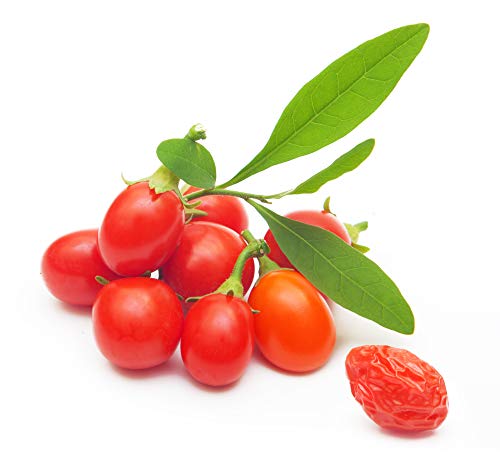
Product features: Long lived shrub and prolific producer of deliciously nutritious goji berries. Grows best in zones 5-9. Adapts to most soils with good drainage. Drought tolerant once established. Fruits in the second year from seed.
Best for: Gardeners starting goji cultivation in temperate regions. Why selected: This option emphasizes perennial resilience and a relatively quick first fruiting year from seed, making it a practical entry point for new growers.
Caution: Growth may vary with soil drainage; ensure beds have proper drainage to maximize drought tolerance claims.
Earthcare Seeds Tibetan Goji Berry 50 Seeds
Product features: Similar long-lived shrub with prolific berry production. Suited for zones 5-9 and various well-drained soils. Drought tolerant once established; fruits in the second year from seed.
Best for: Budget-minded growers wanting a smaller initial purchase. Why selected: It provides the same plant habit and fruiting timeline as the larger seed set, but at a lower quantity for smaller spaces.
Limitation: Quantity may limit early-wide propagation; plan staggered plantings to maximize harvest windows.
Goji Berry 50 Seeds – Lycium Chinense
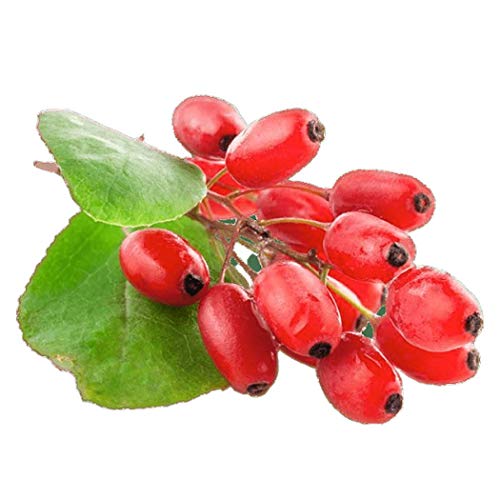
Product features: Best quality package containing 50 goji berry fruit seeds. Hardy zones 5-9 recommended. Goji berries are marketed as a super fruit rich in phytonutrients and vitamins.
Best for: Experienced or patient gardeners aiming for a quick start in a single season. Why selected: This option offers a focused seed count with clear climate guidance for reliable sprouting.
Limitation: Seed quality varies by lot; germination rates are not specified in the listing, so consider starting with a portion to gauge success.
Goji Berry (Wolfberry) Plants (4 Pack)

Product features: Cold-hardy to -10°F (-23°C) live starter plants. Drought-tolerant once established. Produces nutrient-rich berries high in antioxidants.
Best for: Gardeners who want an established plant start rather than seeds. Why selected: When climate risk is high or a faster harvest is desired, starter plants provide immediate fruiting potential. Limitation: This is a plant transplant, not a seed option, and availability can vary seasonally. Choose this if you prefer immediate planting rather than seed germination.
TomorrowSeeds Goji Berry Tree Seeds – 1200+ Count
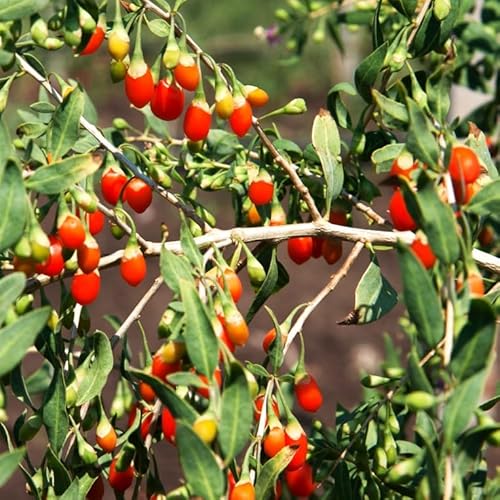
Product features: Produces nutrient-rich, antioxidant-packed berries. Adaptable to various climates and soil conditions. Vibrant orange-red berries add color to your garden.
Best for: Gardeners planning a large-scale goji berry operation or multiple plots. Why selected: The extremely large seed count supports extensive propagation for homesteads or community gardens. Limitation: Managing density and spacing becomes important with very large seed lots. Use careful labeling and staggered planting to avoid overcrowding.
TomorrowSeeds Goji Berry Tree Seeds – 600+ Count
Product features: Large count for easy cultivation, with adaptability to multiple climates. Bright orange-red berries are a notable garden highlight.
Best for: Home farmers and small-scale producers seeking abundant seed pools for ongoing planting. Why selected: This option balances seed volume with practical planting needs and is well-suited for iterative growing cycles. Limitation: Seed germination rates are not specified; consider doing a test batch first.
Buying Guide
What climate zone do you garden in? Goji berries generally thrive in zones 5-9. If you’re in colder regions, opt for cold-hardy selections or starter plants.
Seed versus plant: Do you want to wait for seeds to germinate or establish with a ready-to-plant starter? Seeds offer scalability; starter plants offer faster fruiting. Consider space and harvest goals when choosing.
Soil and drainage: Choose well-drained soil. Goji bushes tolerate drought once established but prefer consistent drainage to prevent root issues.
Planting density: Large seed counts are suited for expansion. For smaller spaces, start with 50–100 seeds and assess germination before scaling up.
Maintenance: Goji plants usually require minimal pruning and can be drought-tolerant post-establishment. Mulching and occasional feeding support steady production.
FAQ
- Are goji berries easy to grow from seeds? Yes, many varieties are open-pollinated and germinate reliably in temperate climates with proper soil and drainage.
- When will goji berries produce fruit from seed? In many cases, fruit appears in the second year after establishing from seed, though results vary by variety and growing conditions.
- Can goji plants tolerate cold winters? Some varieties are cold-hardy to near -10°F (-23°C). If winters are harsher, consider protection or starting with hardy starter plants.
- Do goji berries require a lot of water? They are drought tolerant once established but benefit from regular moisture during establishment and fruiting.
- Is there a preferred planting density? For seeds, staggered planting helps manage germination variability; for larger seed lots, follow spacing guidelines on seed packets or listings.
- What is the best option for beginners? A combination approach—start with an easy-to-grow 100-seed option and complement with a larger seed count later for extended harvests.