The best drought tolerant garden blends beauty with water efficiency, helping American homeowners maintain vibrant landscapes in arid and semi-arid climates. This guide highlights five top picks for drought-tolerant wildflowers, vegetables, and ground covers. Each product targets specific garden needs—from wildflower meadows that attract pollinators to hardy ground covers that reduce mowing and irrigation. Whether you’re creating a xeriscape, a pollinator-friendly patch, or a low-maintenance lawn substitute, these selections offer reliable germination, zone adaptability, and practical planting guidance. The buyer profiles below explain who each option fits best.
Summary table of chosen products
- Sweet Yards Drought Tolerant Wildflowers Mix — Best for large wildflower beds and seed sharing.
- Outsidepride Dryland Wildflower Seed Mix — Best for season-long color in arid regions.
- Created By Nature Drought Tolerant Wildflower Mix — Best for varied dry landscapes with low maintenance.
- Southwest Wildflower Mix — Best for hot, drought-prone zones and pollinator support.
- Outsidepride Green Carpet Herniaria Glabra Seeds — Best for evergreen ground cover and erosion control.
Drought Tolerant Wildflowers Mix – Bulk Quarter Pound Bag

This bulk wildflower mix from SWEET YARDS is designed for dryland conditions and open pollination. It contains over 30,000 seeds across 21 species, offering broad color and habitat value. The seed batch is non-GMO and selected to yield higher germination rates when planted under dry or semi-dry conditions. It’s ideal for filling large plots, seed bombs, or sharing among friends who enjoy sustainable landscaping. Best for gardeners seeking a cost-effective, high-volume wildflower option for low-water landscapes.
Who it’s best for: homeowners planning large meadow-style plantings, community garden plots, or seed-sharing projects. If you want a visually bold, drought-loving display, this mix provides robust seeding and coverage.
Limitation: bulk seed is less suitable for small, precise plots unless you’re comfortable with broadcasting and thinning. Germination can vary with soil moisture and temperature.
Drought-Tolerant Vegetable Seed Collection

This 10-pack of drought-tolerant vegetable seeds focuses on easy-to-grow, open-pollinated varieties suited for home gardens in water-limited regions. Varieties include Fordhook Swiss Chard, Sorrel, Red Russian Kale, Cherokee Purple Tomato, Rainbow Bell Pepper, Contender Green Bean, Sugar Baby Watermelon, and Hale’s Best Melon, among others. The set emphasizes sustainability and self-sufficiency by reducing irrigation needs while yielding fresh produce across growing seasons. Best for gardeners who want a compact starter collection that supports a resilient home harvest.
Who it’s best for: households seeking to build a small, water-conscious vegetable garden with a mix of greens, roots, and fruits. This pack is convenient for beginners who want a diversified crop list without sourcing individually.
Limitation: open-pollinated varieties may require broader planning to optimize yields in your specific zone. Some crops may need adjusted irrigation during peak heat.
Outsidepride Dryland Wildflower Seed Mix

This 1/4 lb drought-tolerant mix blends annuals and perennials to deliver season-long color. It’s designed for arid regions and USDA Zones 3-10, with species capable of reaching 36 to 48 inches tall for bold garden displays. The mix accommodates broadcasting or drilling and performs well in full sun or partial shade. It’s particularly suited to xeriscapes, meadows, and low-water landscapes that require reliable bloom cycles across years.
Who it’s best for: gardeners who want a versatile, low-maintenance wildflower border or meadow with long-lasting color and pollinator value. It’s also good for large patches or slope stabilization in arid climates.
Limitation: maintaining soil moisture until germination is essential. In extremely hot periods, extra watering early on can improve germination success.
50+ Blue Fescue Ornamental Grass
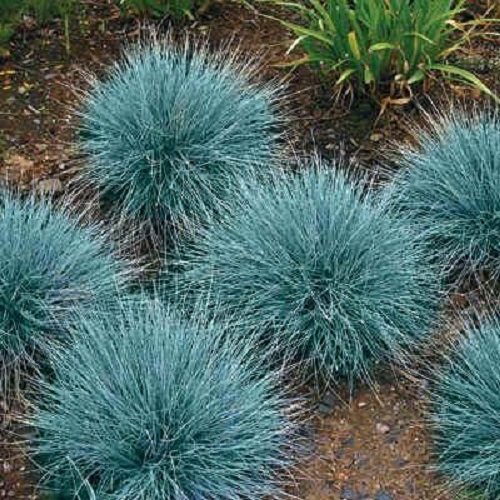
This product from CHERYL’S UNIQUE FLOWER SEEDS features blue fescue grasses known for drought tolerance and architectural texture. The variety grows 10-12 inches tall and thrives in full sun or full shade, offering a versatile ornamental option for borders, rock gardens, or containers. It’s a reliable choice for landscapers seeking a low-maintenance perennial that keeps a neat, cool-toned palette year after year.
Who it’s best for: homeowners wanting a compact, evergreen accent that tolerates varied light and requires minimal irrigation. It’s particularly suitable for borders, edging, and containers in low-water landscapes.
Limitation: ornamental grasses can spread more slowly in dense shade; ensure spacing matches your site’s light conditions to maximize clump formation and color display.
Created By Nature Drought Tolerant Wildflower Seed Mix

This mix emphasizes drought tolerance with a collection of 15 varieties including black-eyed Susan, shasta daisy, coreopsis, coneflower, and sweet william. It’s designed for dry areas and partial shade, delivering long-lasting color throughout the growing season. The seeds are labeled non-GMO and sourced in the USA for quality and reliability. It’s a practical option for gardeners seeking a vibrant, low-water wildflower display with straightforward establishment.
Who it’s best for: gardeners who want a diverse wildflower mix that performs well in a range of dry conditions and partial shade. It’s especially suitable for beginners seeking easy establishment with strong germination potential.
Limitation: as a wildflower mix, bloom timing and color variety can vary year to year; consider pairing with perennials for extended color continuity.
Southwest Wildflower Mix – 1 Oz

From Mountain Valley Seed Company, this Southwest native blend is crafted for zones 7–11 and emphasizes drought tolerance and pollinator support. The mix includes 125 seeds across 15+ varieties, designed for low-maintenance landscaping in hot, dry climates. Its native character supports local ecosystems while providing vibrant, nectar-rich blooms that attract bees, butterflies, and hummingbirds.
Who it’s best for: gardeners in arid Western climates seeking a USA-native, low-water wildflower display with strong pollinator appeal. It’s particularly well-suited for xeriscapes and native garden projects.
Limitation: as a region-specific mix, results are best when planted in appropriate microclimates; verify your zone compatibility before purchasing.
Outsidepride Green Carpet Herniaria Glabra Seeds

Green Carpet Herniaria Glabra is a drought-tolerant perennial ground cover ideal for zones 6-10. It forms a dense, evergreen carpet that stays vibrant through many seasons and can turn bronze in winter. With a shallow mowing requirement and deep taproots, it reduces irrigation needs once established. It’s a practical lawn substitute for pathways, between stepping stones, and erosion control. The low growing habit (2-3 inches) makes it a durable option for foot traffic and low-maintenance landscapes.
Who it’s best for: homeowners wanting a durable, low-water ground cover that creates a green carpet year-round and reduces mowing. It’s also suitable for erosion-prone slopes and garden pathways where water efficiency is a priority.
Limitation: this ground cover might be less effective in heavy shade; ensure adequate sun exposure for best growth and carpet density.
Buying Guide: Practical Considerations For Drought Tolerant Gardens
- Climate and Zone Compatibility: Choose seeds and mixes tailored to your USDA hardiness zone. Drought-tolerant plants still require suitable sunlight and temperatures to thrive. Check zone recommendations and regional rainfall patterns before buying.
- Water Needs And Irrigation Strategy: Drought-tolerant doesn’t mean no watering. Establish a sensible irrigation plan, such as deep, infrequent watering programs that encourage deep root growth. Mulching helps preserve soil moisture and reduces evaporation.
- Sun Exposure And Soil Type: Most dry-land mixes perform best in full sun, while some tolerate partial shade. Soil preparation—well-draining soil, amended with organic matter—improves germination and establishment in dry conditions.
- Plant Type And Layout: Wildflower mixes suit meadows and borders; ground covers work well for lawns and slopes; vegetable packs suit kitchen gardens. Plan spacing based on final mature height and spread to prevent overcrowding.
- Seed Freshness And Germination: Look for fresh, pure seeds with visible germination promises. High germination rates reduce waste and improve early establishment, especially in dry soils where moisture is scarce.
- Maintenance And Longevity: Perennials reduce replanting frequency; annuals provide seasonal bursts of color. Consider maintenance needs like fertilization, pruning, and debris management for ongoing beauty with minimal water use.
FAQ: Quick Answers For Drought Tolerant Garden Shoppers
- What is the best option for a low-water meadow look? A drought-tolerant wildflower mix designed for arid regions provides broad color and long bloom periods with minimal irrigation.
- Can I plant these in containers? Some ground covers and low-growing grasses work in large containers, but wildflower mixes are better suited to garden beds or borders. Always check packaging guidance.
- How long until color appears after sowing? Germination times vary by species and moisture. In dry soils, maintaining consistent moisture during germination improves emergence and reduces washout risks.
- Are these seeds non-GMO? Several listed products specify non-GMO seeds, but verify each item’s labeling on the product page before purchasing.
- Will drought-tolerant plants survive heavy rains? Most are adapted to dry spells, but extreme wet conditions can stress drought-tolerant species. Ensure proper drainage and avoid overly saturated soils after establishment.
- Is there a ready-made kit for beginners? Yes, several collections bundle drought-tolerant wildflowers and vegetables, offering an approachable starting point for new gardeners.