Looking for a standout double mock orange plant that delivers lush, fragrant blooms and versatile landscape use? This guide highlights five top picks that suit American gardens from sunny borders to shaded hedges. Each option is chosen for fragrance, bloom quality, and ease of care. Ideal buyers include DIY landscapers seeking seasonal fragrance, small-space gardeners wanting compact options, and anyone needing hardy, low-maintenance shrubs for borders or focal points.
| Product | Size / Type | Best For | Key Benefit |
|---|---|---|---|
| Minnesota Snowflake 12-18″ (2 Pack) | Bareroot shrubs | Fragrant hedges and foundations | Double white blooms with citrus scent |
| Illuminati Spice Mock Orange | 4″ Pot | Compact landscapes | Compact habit, hardy in zones 4-7 |
| Minnesota Snowflake 10-16″ (2 Pack) | Bareroot shrubs | Starter borders | Fragrant blooms, adaptable soil |
| Sweet Mock Orange Shrub | Pot-grown | Hedges and focal points | Profuse white fragrance blooms |
| Mock Orange Live Shrubs 1–2 ft (2-Pack) | Established shrubs | Flexible landscape borders | Seasonal white flowering interest |
Minnesota Snowflake Mock Orange – 12-18″ Bareroot (2 Pack)

The Minnesota Snowflake Mock Orange is a double white-blooming shrub known for its citrus-scented fragrance in late spring to early summer. This 12-18″ bareroot pair is best for gardeners who want quick establishment and a strong fragrance presence in mixed borders or near entryways. Best for buyers who prefer low-maintenance plants that tolerate a range of soil types. Selected for its classic double blooms and reliable perfume, it offers an inviting focal point when planted in pairs or clusters.
Best for: small to medium borders, fragrance-driven gardens, entryways. Limitation: bareroot stock may require steady moisture after planting for best establishment.
Illuminati Spice Mock Orange – 4″ Pot
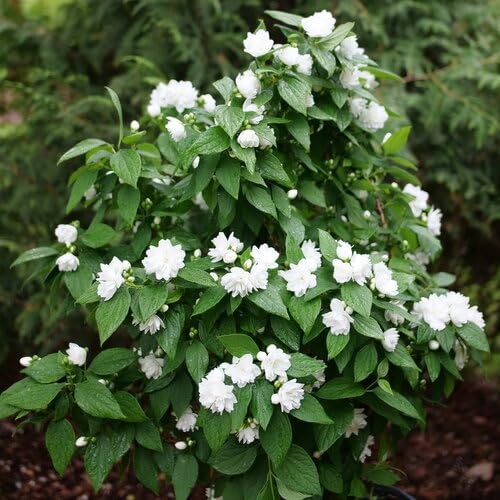
The Illuminati Spice Mock Orange offers a compact growth habit and hardiness in zones 4-7, making it ideal for small gardens, container plantings, or tight spaces along walkways. This 4″ pot plant is best for buyers who want a quick-start shrub with a strong fragrance and a simple, year-round maintenance routine. Choose this if you need a smaller specimen that can be moved or potted for patio layouts; avoid if you require a larger evergreen-style backdrop.
Minnesota Snowflake Mock Orange – 10-16″ (2 Pack)

This 10-16″ pair mirrors the larger Minnesota Snowflake design with double white blooms and a similar citrus fragrance. It’s best for gardeners who want a slightly shorter plant for mid-border accents or for staging in a long, symmetrical bed. It adapts well to various soil types and provides a fragrant payoff in late spring to early summer. Better for: new borders or accent planting; not ideal if you need a tall privacy screen right away.
Sweet Mock Orange Shrub – 10-18″

The Sweet Mock Orange provides a very fragrant bloom with a classic white display, suitable for hedges, borders, or a garden focal point. Planted in the ground or in a large container, it suits gardeners seeking a bright, sultry fragrance without requiring extensive pruning. Best for: decorative borders and privacy lines along walkways; limitation: fragrance intensity can vary with sun and temperature.
2 Mock Orange Live Shrubs – 1–2 Ft Tall

This set provides two established mock orange shrubs around 1–2 feet tall, offering immediate presence in landscape beds. Best for gardeners who want quick impact and easy planning for mixed borders or symmetrical designs. It performs well in full sun to partial shade. Caution: check spacing to avoid overcrowding as plants grow to their full size over time.
Buying Guide
Key purchase considerations for double mock orange plants:
- Growth habit and size: Determine if you want a compact variety for containers or a larger hedge for screening. Check mature height and width to plan spacing.
- Fragrance and bloom: Double blooms offer a strong fragrance in late spring to early summer. Consider bloom timing relative to other garden plants.
- Hardiness zones: Most mock orange varieties tolerate a range of climates, but confirm zone compatibility (e.g., zones 4-8) with your local climate.
- Plant type and condition: Bareroot vs. pot-grown plants affect establishment speed. Bareroot often requires steady moisture after planting.
- Sun exposure: Most mock oranges prefer full sun to partial shade. Plant in a location that receives ample light for best flowering.
- Soil and drainage: They tolerate various soils but prefer well-drained soil. Amend soil if drainage is poor.
- Maintenance needs: Some varieties demand more pruning to maintain shape; others are low-maintenance with natural form.
- Container suitability: For patios or small spaces, compact varieties in pots can be an excellent choice.
Choosing Between Options
- Best for fragrance and showy blooms: Minnesota Snowflake pairs provide strong scent and double blooms, great in entryways or focal points.
- Best for compact spaces or containers: Illuminati Spice is ideal thanks to its small growth habit.
- Best for immediate presence in beds: 1–2 ft live shrubs offer quick landscape impact without waiting for growth.
Care and Planting Tips
- Water consistently after planting, especially for bareroot stock.
- Mulch lightly to conserve moisture and regulate soil temperature.
- Prune after flowering to shape and encourage new growth.
- Fertilize according to local recommendations for flowering shrubs.
FAQ
- Q: Do mock orange plants need full sun?
- A: Most varieties thrive in full sun to partial shade; more sun generally yields more vigorous blooming.
- Q: Are these plants deer-resistant?
- A: Mock oranges are not always deer-proof; local deer pressure can influence selection and placement.
- Q: How long until bloom after planting?
- A: Many mock orange shrubs begin flowering in their first or second season after establishment, depending on root development and care.
- Q: Can I grow these in pots?
- A: Compact varieties like Illuminati Spice are well-suited for containers, with careful irrigation and feeding.
- Q: What is the best pruning time?
- A: Prune after flowering to maintain shape and encourage new growth for next year’s blooms.