Answering the question “Which Asian pear trees are best to buy from a nursery for my climate and space?” this guide highlights five well-suited options. These selections prioritize varieties that thrive in multiple U.S. zones, ship as live starter plants, and come with planting guidance. They’re ideal for home fruit orchards, urban backyards, or small plots where space and soil conditions vary. The buyer-focused notes explain who each tree is best for and why it’s a strong pick for a given scenario.
| Product | Best For | Why It Stands Out | Important Consideration |
|---|---|---|---|
| Nijisseiki Asian Pear Tree | Hardy home orchards in zones 3–8 | Classic, reliable fruit with strong winter hardiness; ships as a 3-foot tree ready to plant | California bare-root shipping may apply; ensure proper winter protection in colder regions |
| Shinko Asian Pear Tree | Moderate to warm climates; small yards | Popular, dependable producer with sweet fruit; shipped at 3 feet tall | Best planted directly in the ground; avoid container transplanting |
| Gurney’s 2-in-1 Asian Pear (Dormant Bare Root) | Spaces up to 16 feet apart; soil needs | Dormant bare-root starter tree; straightforward spacing guidance | OR shipping restrictions may apply; ensure correct soil preparation |
| Direct Gardening Olympic Giant Pear (Dormant Bare Root) | Medium to larger yards; established orchard corners | Large-fruited pear with standard tree height; clear spacing recommendations | Shipping constraints to certain states; herbaceous growth at planting |
| Shinko Asian Pear Tree (Size 5–6 ft) by Perfect Plants | Smaller yards and containers (where allowed) | Includes special fertilizer and planting guide; tailored for easy start | Best suited for ground planting; check local packaging and root care |
Note: Prices, availability, and shipping policies can vary by seller and season. The selections above focus on commonly available, ready-to-ship Asian pear trees that come with clear planting instructions and zone information.
Nijisseiki Asian Pear Tree — 3-Feet Live Plant

Best for: Home orchardists seeking a classic, reliable fruiting pear with broad winter hardiness. This 3-foot live plant is ready to plant with straightforward arrival instructions. The Nijisseiki cultivar is known for good storage life and productive fruiting in a range of climates.
Why selected: The tree is described as ready to plant upon delivery and compatible with USDA zones 3–8, giving buyers a wide geographic range. It’s a time-tested choice for first-time fruit tree growers who want a dependable Asian pear harvest in a moderate climate.
Limitation: California orders may be bare-root due to state regulations; plan for proper rooting and irrigation after planting, especially in drier seasons.
Shinko Asian Pear Tree — 3 Feet Tall
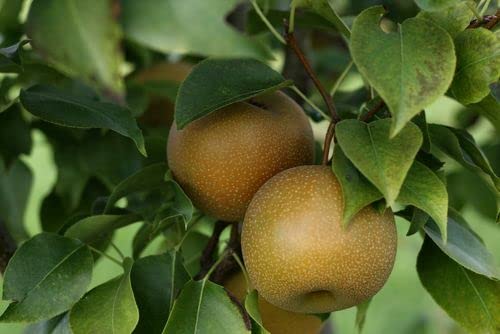
Best for: Gardeners who want a reliable producer with a compact starter size and direct-ground planting. The tree ships as a 3-foot plant with clear growth expectations.
Why selected: The Shinko cultivar is well-regarded for dependable fruit production in multiple climates and comes with planting guidance. It’s a practical choice for smaller plots where height and root space matter.
Limitation: Do not transplant into containers; plant directly in the ground to encourage proper root establishment and growth.
Gurney’s 2-in-1 Asian Pear (Dormant Bare Root)

Best for: Backyards with ample space and soil that can support a 16-foot spacing, offering space for a robust root and canopy system.
Why selected: This dormant bare-root starter tree provides a straightforward planting approach with explicit spacing—about 16 feet apart—supporting strong growth in fertile, well-drained soil.
Limitation: State shipping restrictions can restrict availability in some areas; verify eligibility before ordering and plan for root care after shipment.
Direct Gardening Olympic Giant Pear — Dormant Bare Root

Best for: Larger yards or property edges where a strong, standard-height pear tree can become a focal point of an orchard area.
Why selected: The Olympic Giant variety is offered as a dormant bare-root tree with clear spacing guidance (14–16 feet apart), helping buyers plan a cohesive orchard layout. It’s suited for homeowners who want a classic, mature-appearing pear tree over time.
Limitation: Availability may be affected by state-level shipping restrictions; ensure the environment is suitable for a standard-height pear tree and provide well-drained soil.
Shinko Asian Pear Tree — Size 5–6 Ft (Perfect Plants)

Best for: Gardeners who want a mid-size tree with additional starter care included, such as a planting guide and blend fertilizer.
Why selected: This option combines a Shinko pear with practical extras, aiding first-time growers who prefer a guided setup and ongoing care tips to optimize fruiting and tree health.
Caution: Ensure proper soil drainage and avoid overly compacted soils that can hinder root spread and water uptake.
Buying Guide: Key Considerations For Asian Pear Trees
Climate compatibility: Asian pear varieties tolerate a broad spectrum of conditions but have zone-specific preferences. Confirm your USDA hardiness and frost dates, then match a cultivar to your climate window.
Planting method: Some listings ship as dormant bare-root trees, while others arrive as potted or balled-and-burlapped plants. Bare-root plants require careful handling and immediate planting in well-prepared soil. Potted or burlapped trees often require less immediate acclimation but may need more water initially.
Spacing and canopy growth: Expect substantial mature size for most standard Asian pear trees. Plan trellis or spacing of about 14–16 feet between trees for larger cultivars, or 12–14 feet for dwarfs. Read the supplier’s guidance on root spread and canopy reach.
Soil and sun requirements: Most Asian pears prefer well-drained, fertile soil and full sun to maximize fruit set. Avoid heavy clay without amendments, and consider raised beds or organic matter additions to improve drainage.
Care and maintenance: Look for trees that come with planting guides or fertilizer recommendations. Fertilizer timing, irrigation schedules, and pruning practices influence fruit quality and tree longevity. Some listings include special blends designed to support early root establishment.
Frequently Asked Questions
- What is the best Asian pear tree for a small yard?
– Smaller or dwarf selections, such as those offered at 3 feet tall or mid-size 5–6 feet, are practical for compact spaces, especially if you have limited root area and want manageable maintenance. - Do Asian pear trees require cross-pollination?
– Many Asian pear varieties set fruit well with self-pollination, but some may benefit from cross-pollination with another pear cultivar to improve fruit set and yield. Check the specific cultivar’s pollination guidance. - When should I plant an Asian pear tree?
– Plant dormant bare-root trees in early spring or fall when the soil is workable. Ensure you plant promptly after arrival to minimize root drying. - How much spacing does an Asian pear tree need?
– Plan for about 14–16 feet between standard trees. Dwarf or semi-dwarf selections can sometimes be spaced closer, but always follow the supplier’s guidance for root spread and canopy growth. - What kind of soil is best for Asian pears?
– Well-drained, fertile soil is ideal. Add organic matter to improve structure and drainage if your soil tends toward clay or moisture retention. - Are there shipping restrictions to be aware of?
– Some states restrict bare-root shipments. Always verify current regulations before ordering and be prepared to adapt planting plans if shipping restrictions apply.