Answering the question “which backflow valve should I choose for an irrigation system?” this guide highlights top underground sprinkler backflow valves and explains who they’re best for. Each product helps prevent backflow and protect drinking water while supporting non-potable irrigation setups. Ideal buyers include homeowners upgrading residential lawns, landscape pros managing commercial irrigation, and DIYers who prioritize reliability and long service life. Below is a concise product comparison and a buying guide to help you pick with confidence.
| Product | Brand | Best For | Key Benefit |
|---|---|---|---|
| ONDAQUA 3/4″ PVB | ONDAQUA | Small-to-mid residential systems | Certified backflow with heavy brass and 400 PSI capacity |
| Orbit 57623 3/4″ Anti-Siphon Valve | Orbit | Above-ground or riser installations | Integrated scrubber filter for clog-free operation |
| ONDAQUA 1″ PVB | ONDAQUA | Medium-size commercial or larger residential | UPC-certified, 400 PSI, durable thick brass |
| Orbit 51023P 1″ Anti-Siphon Valve | Orbit | Manual control with anti-siphon protection | Flow control with simple hand operation |
| LTLUO 3/4″ 720A PVB | LTLUO | Durable outdoor irrigation systems | Sealant-based installation and corrosion resistance |
ONDAQUA 3/4 Inch Pressure Vacuum Breaker

This 3/4″ pressure vacuum breaker is designed for non-potable irrigation and industrial non-potable systems. It supports up to 400 PSI and is built with thickened brass for corrosion resistance. It carries UPC certification and ASSE 1020-2020 compliance, making it a solid choice for buyers who require certified backflow protection in outdoor irrigation. Best for small to mid-size residential lawns and gardens where high-flow connections are common.
Who it’s best for: homeowners and landscape professionals needing a certified, durable backflow preventer for standard irrigation lines. Caution: heavy-duty connections require proper sealing and alignment during installation to maintain performance over time.
Orbit 57623 3/4″ FPT Anti-Siphon Valve

This 3/4″ automatic anti-siphon valve is designed to prevent backflow and water contamination in irrigation systems. It features atmospheric vacuum breaking to protect both irrigation and culinary water supplies. Best for above-ground installations on risers where simple maintenance and reliable backflow prevention are priorities. Caution: installation height and exposure to elements can affect long-term reliability; ensure proper drainage around the valve.
ONDAQUA 1 Inch Pressure Vacuum Breaker
This 1″ version mirrors the 3/4″ model with a 400 PSI rating and thickened brass construction for robust outdoor use. UPC-certified and ASSE 1020-2020 compliant, it’s well-suited for larger residential properties or light commercial installations that require higher flow capacity. Best for expanding irrigation zones or larger lawn areas that demand stronger backflow protection. Caution: ensure compatible piping and proper sealant use to maximize seal longevity.
Orbit 51023P 1″ FPT Anti-Siphon Manual Valve

This 1″ anti-siphon valve combines manual flow control with atmospheric vacuum breaking, making it a practical option for zones that require straightforward, reliable operation. It’s best for gardens or small commercial sites where manual adjustments are common and backflow protection is essential. Caution: manual operation may require periodic maintenance to prevent clogging from debris.
LTLUO 1″ 720A Pressure Vacuum Breaker
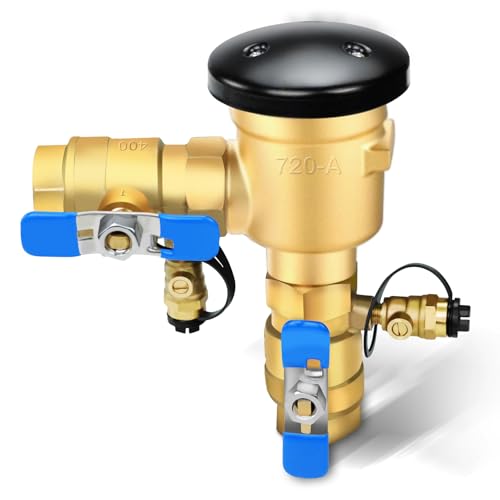
This 1″ 720A backflow preventer uses thickened brass and a sealant-based installation approach, avoiding traditional Teflon tape. It undergoes pressure testing to ensure reliable sealing under high-pressure piping. Best for outdoor irrigation systems where durability and long service life are prioritized. Limitation: improper disassembly can compromise the PVB seal, so follow installation guidance carefully.
LTLUO 3/4″ 720A PVB Assembly

The 3/4″ version emphasizes sealant-based installation, corrosion resistance, and high-pressure tolerance up to 400 PSI. Best for compact residential spaces or smaller zones where a reliable backflow solution is needed without taking up too much space. Caution: ensure proper threading and sealant use to prevent leaks over time.
Buying Guide: Key Considerations for Underground Sprinkler Backflow Valves
- Certification and compliance: Look for UPC or ASSE certifications to ensure the device meets recognized backflow prevention standards, especially for non-potable irrigation water.
- Pressure rating: Most sprinklers backflow valves are rated up to 400 PSI. Choose a model that matches your system’s maximum operating pressure to prevent leaks or failures.
- Material durability: Thickened brass valves offer corrosion resistance and longer service life. Consider corrosion-prone outdoor environments when selecting material.
- Installation type: Decide between above-ground riser installations and embedded underground configurations. Some valves include features like integrated scrubber filters or jar-top lids for easier maintenance.
- Flow and size compatibility: Ensure the valve size (3/4″, 1″, etc.) matches your irrigation mains and zone lines for optimal flow and seal performance.
- Maintenance needs: Some units are easier to service, with accessible diaphragms and quick-release components. Vacuum breakers that tolerate debris and provide clog resistance reduce maintenance.
- Sealant versus tape: Some models recommend sealant rather than Teflon tape. Following manufacturer guidance helps preserve seals and prevent leaks.
- Installation environment: Outdoor exposure, temperature cycles, and soil conditions can affect valve longevity. Choose units designed to withstand local climate and UV exposure.
- Ease of use: Manual versus automatic control matters if you need zone-by-zone management or simplified seasonal adjustments.
Frequently Asked Questions
- What is a backflow preventer, and why is it important for irrigation?
A backflow preventer stops contaminated water from siphoning back into the clean water supply, protecting both irrigation systems and household drinking water.
- What does 400 PSI indicate in these valves?
It indicates the maximum pressure the valve is rated to safely handle without risking leaks or failure.
- Should I choose a brass PVB or an anti-siphon valve for my yard?
Brass PVBs offer robust durability and high-pressure tolerance, while anti-siphon valves provide straightforward backflow protection with flow control. Choose based on installation needs and maintenance preferences.
- Is sealant or Teflon tape better for installation?
Many models specify sealant to ensure a durable seal. Always follow the manufacturer’s instructions to preserve backflow integrity.
- How do I decide between 3/4″ and 1″ valve sizes?
Size depends on your mainline or zone line diameter and desired flow. Larger zones benefit from 1″ valves, while smaller residential setups can use 3/4″ valves effectively.
- Can these valves be buried underground?
Some models are designed for underground installation, but always verify the product’s installation instructions and local codes before burial.