Choosing between 2-cycle and 4-cycle tillers hinges on ease of starting, maintenance, fuel needs, and the scale of your work. This guide compares top models to help buyers identify whether a 2-stroke or a 4-stroke engine best fits their garden or farm tasks. The featured picks include compact, lightweight options and more powerful machines suited for larger plots. Whether you’re cultivating a small vegetable bed or prepping a broad field, you’ll find practical insights below. The top products are best for different user types, from hobby gardeners to serious landscapers.
Summary table of selected products:
| Product | Engine Type | Best For | Key Advantage |
|---|---|---|---|
| VEVOR Tiller Cultivator | 2-Stroke 43cc | Small gardens, tight spaces | Lightweight, adjustable depth and width |
| Mantis 7940 | 4-Cycle Honda, 25cc | Lightweight performance, easy fuel | Made in the USA, low weight |
| TAZZ 35310 2-in-1 | 4-Cycle 79cc Viper | Versatile planting beds | Removable outer tines for tiller/cultivator modes |
| Earthquake Versa 2-in-1 | 4-Cycle 79cc Viper | Adjustable widths, transport-friendly | Tool-less 11/16/21″ widths, integrated wheels |
| Earthquake MC43 | 2-Cycle 43cc Viper | Compact work, tight spaces | Overhand control, adjustable width |
VEVOR Tiller Cultivator: 43CC 2-Stroke Power

This 43cc 2-stroke tiller is designed for small to medium garden plots. It is EPA-certified for cleaner operation and features four front tines for effective soil turning. The engine’s power translates to faster cultivation in flower beds, vegetable patches, and other tight spaces where maneuverability matters. Best for gardeners who prefer a lighter, easier-start option and who work in compact plots where frequent repositioning is necessary.
Who it’s best for: hobby gardeners or homeowners tending small gardens, who value a straightforward start and compact footprint. The 4-tine configuration improves soil turnover, while the adjustable depth helps manage shallow plantings without overworking beds.
Why selected: The VEVOR model balances portability with practical tilling width (about 11.8 inches) and a modest depth. It incorporates heat-dissipation features and an air-filter system to help maintain smooth operation through extended sessions. The lightweight design reduces fatigue during weeding cycles and bed preparation.
Limitations: As a 2-stroke engine, it requires a proper fuel mix and extra maintenance attention to lubrication. Users should monitor for exhaust and noise considerations, especially for frequent daytime use in tight spaces.
GardenTrax 4 Cycle Mini Cultivator

The GardenTrax mini cultivator uses a 4-stroke engine and is tailored for compact gardens and raised beds. Its smaller size makes it easy to maneuver between rows while delivering consistent soil mixing. This model suits gardeners who want a simple, fuel-efficient option with straightforward maintenance and dependable operation in narrow planting areas.
Who it’s best for: urban gardeners or hobbyists who maintain small plots and prioritize simple operation over heavy-duty tilling. It’s a practical starter machine for novice users learning soil preparation techniques.
Why selected: The 4-cycle design avoids the fuel-muelating mix required by 2-stroke engines, reducing emissions and odor. Its compact profile supports precise cultivation in tight borders and between young plants.
Limitation: The compact power may not match larger, tougher plots; for dense clay soils or larger fields, a higher-powered model could be more efficient.
Mantis 7940 4-Cycle Tiller Cultivator
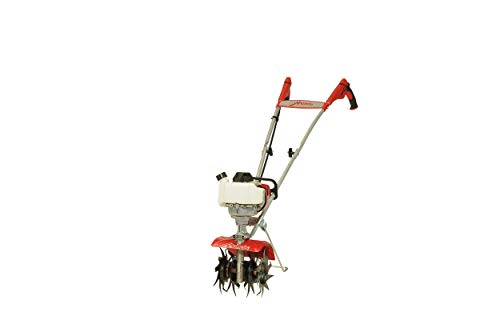
This Mantis model uses a Honda 4-cycle engine with no fuel mix, delivering reliable power at 25cc. It’s lightweight for easy maneuverability and designed to keep up with structured garden rows. The model is known for compact durability and smoother operation, which helps reduce operator fatigue during extended tilling sessions.
Who it’s best for: gardeners seeking a dependable, lightweight machine with a simple fueling routine and a local-built feel. Ideal for small plots and beds where easy transport and nimble turning are valued.
Why selected: The 4-cycle setup minimizes maintenance complexity compared to 2-stroke engines and provides steady speed for consistent tilling. The unit’s light weight supports quick turning and precise edging along borders.
Limitation: While portable, it may lack the raw power needed for very hard or clay soils in larger plots; consider a larger or higher-torque model for tougher conditions.
TAZZ 35310 2-in-1 Front Tine Tiller/Cultivator

The Tazz 35310 combines a 79cc 4-cycle Viper engine with a bronze gear transmission and forged steel tines for durable tilling. Its 2-in-1 design allows tool-free conversion from tiller to cultivator, switching widths from 21 inches down to 11 or 16 inches. This flexibility is ideal for maintaining established rows or creating seedbeds as crops mature.
Who it’s best for: growers who need flexibility to switch between wide tilling and narrow cultivation without buying multiple machines. Especially useful in mixed beds with varying row spacing.
Why selected: Durable construction and high-torque capability support consistent performance in diverse soil types. The 2-in-1 feature saves storage space and adds workflow adaptability for gardeners with evolving planting plans.
Limitation: Some users may prefer a lighter unit for very small gardens; the 79cc engine adds weight and bulk compared to ultra-light models.
NOVUS 212cc 4 Cycle Front Tine Tiller

The NOVUS 212cc front-tine tiller is built for performance with a large engine and adjustable tilling width. It offers 12–21 inch width options and 6–8 inch depth, making it suitable for expanding beds and larger plots. Tool-free tine removal supports quick changes between jobs and soil conditions.
Who it’s best for: gardeners or small farmers needing a robust, adjustable machine capable of handling bigger plots and diverse soil profiles with ease.
Why selected: The combination of a strong 212cc engine and flexible width/depth settings helps optimize soil preparation across varying garden layouts. The design supports extended tilling sessions with practical adjustability.
Limitation: A larger engine increases weight and may require more storage space and routine maintenance checks compared to lighter options.
Earthquake MC43 Cultivator: Compact 43cc Power

The MC43 provides an overhand control design to reduce bouncing and jumping during operation. With a 43cc 2-cycle Viper engine, it emphasizes maneuverability in tight spaces and includes adjustable width to fit row spacing. It’s a lightweight option designed for ease of use in bordered garden rows and small plots.
Who it’s best for: gardeners who need precise weed control in confined beds or between closely spaced plants, with straightforward operation and transport flexibility.
Why selected: The overhand control setup helps maintain plant integrity while removing weeds. The model’s portable design makes it suitable for users who move between beds frequently.
Limitation: Like other 2-cycle engines, it requires a fuel mix and may demand careful handling in terms of maintenance and emissions in certain environments.
Buying Guide: Key Considerations For 2-Cycle vs 4-Cycle Tillers
- Engine type and fueling: 2-cycle engines are lighter and can start quickly but require oil mixed with fuel. 4-cycle engines run cleaner, use straight gasoline, and typically need less maintenance to operate smoothly over time.
- Soil and plot size: For small, tight beds, a compact 2-cycle or light 4-cycle model works well. For larger plots or tougher soils, a more powerful 4-cycle machine with adjustable widths is often preferable.
- Weight and maneuverability: Lighter models reduce operator fatigue but may deliver less torque. Taller, heavier units offer more power but can be harder to maneuver in narrow rows.
- Adjustability: Look for tilling width and depth adjustments to fit different crops and bed layouts. Tool-free conversions between tillers and cultivators add versatility.
- Maintenance and fuel management: 2-cycle engines need careful oil mixing and fuel storage, while 4-cycle engines require standard gasoline and standard oil changes. Consider local fuel availability and upkeep effort when choosing.
- Durability and warranty: Forged steel tines, bronze gear transmissions, and robust frames improve long-term reliability. Some models offer domestic manufacturing or extended warranties for added peace of mind.
Frequently Asked Questions
- What’s the main difference between 2-cycle and 4-cycle tillers?
Answer: 2-cycle engines mix fuel and oil for combustion and are often lighter and cheaper, while 4-cycle engines run on straight gasoline with separate oil lubrication, offering cleaner operation and usually easier maintenance. - Which is better for small gardens: 2-cycle or 4-cycle?
Answer: For most small gardens, a light 4-cycle model offers easier fueling and fewer maintenance considerations, though a compact 2-cycle can be suitable if weight and simplicity are priorities. - Are 2-in-1 tillers worth it?
Answer: 2-in-1 models provide versatility by switching between tilling and cultivating modes, saving storage space and helping adjust to different bed layouts. - What should I consider about tilling width and depth?
Answer: Wider widths (11–21 inches) speed up bed preparation, while variable depths let you tailor soil turnover to crop needs and soil types, reducing competition among plants. - Do these tillers require special maintenance?
Answer: Yes. Regular maintenance includes checking spark plugs, air filters, and fuel systems (especially for 2-cycle engines). Follow the manufacturer’s guidelines for oil changes and lubrication intervals. - Can I use these on clay soils?
Answer: Yes, but you may benefit from a more powerful 4-cycle model with adjustable depth to penetrate denser soils and reduce compaction over time.