The best butterfly garden seed kit picks help you attract pollinators, brighten outdoor spaces, and create low-effort habitats for monarchs, bees, and hummingbirds. This guide compares five top seed mixes that suit beginners and seasoned gardeners alike, detailing who each product is best for and why. Use these selections to plan a vibrant, butterfly-friendly garden this season.
| Product | Best For | Why It Stands Out |
|---|---|---|
| Seed Needs Hummingbird And Butterfly Seed Mix | Colorful annuals with a mix of perennials | Broad flower variety; good for quick, initial bloom and long-term pollinator support |
| HOME GROWN Monarch Butterfly Wildflower Mix | Monarch habitat and nectar-rich garden | Large seed count with milkweed and perennials for lasting habitat |
| Fruivity Wildflower Seeds Bulk Mix | Budget-friendly, perennial-friendly pollinator garden | High variety, high germination, long blooming season |
| Earth Science Butterfly & Hummingbird Wildflower Seed Blend | Diverse wildflower garden with wide coverage | Over 40,000 seeds in 4 oz; broad appeal to multiple pollinators |
| Burpee Wildflower Bulk Mix | Hummingbird and butterfly garden with many varieties | 18 varieties; non-GMO; wide blooming window |
Seed Needs Hummingbird And Butterfly Seed Mix

Flower Seeds: This bulk package includes a diverse array of annual and perennial species designed to attract butterflies and hummingbirds with a color-rich palette ranging from red and orange to blue and purple. The mix provides both annuals such as snapdragons and cosmos and perennials like butterfly milkweed and four o’ clock seeds. Best for gardeners seeking a broad, pollinator-focused display in the first year with some long-term performers.
Best for: Quick color and broad pollinator appeal in mixed garden beds. Choose this if you want a single seed kit that covers multiple bloom cycles and supports a wide range of pollinators.
Caution: The mix includes both annuals and perennials; some regions may see different timing for perennial establishment. Start with prepared soil and consistent watering for best results.
HOME GROWN Monarch Butterfly Mix

POLLINATOR PARADISE: This mix includes over 20,000 wildflower seeds with a focus on milkweed seeds and nectar-rich blooms to support monarchs and other pollinators. It aims for season-long color by combining butterfly-friendly perennials with annuals.
Best for: Monarch butterfly gardens and long-term pollinator habitat. Opt for this if monarch conservation or large-scale habitat creation is a priority.
Caution: Large seed quantity may require more space and careful thinning to avoid overcrowding in small beds.
Fruivity Wildflower Seeds Bulk Mix

21 Premium Perennial Varieties: A large bulk package containing 21 perennial varieties designed for long-term garden color. Suitable for indoor and outdoor planting across USDA zones, with a focus on year-after-year bloom for butterfly gardens.
Best for: Gardeners who want sustained color with minimal replanting around pollinator-friendly perennials.
Caution: Perennial mixes may take longer to establish; some varieties may require light soil preparation for best germination results.
Earth Science Butterfly & Hummingbird Blend
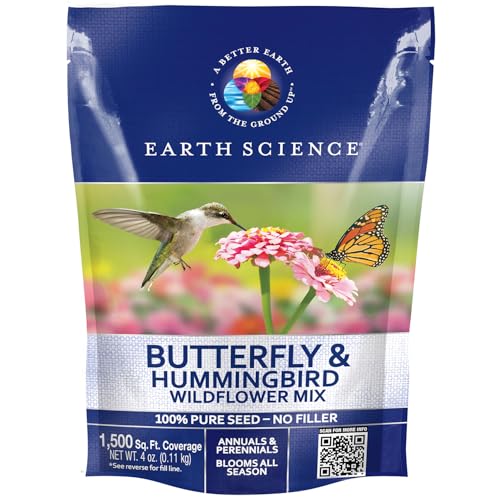
Garden Flowers: A diverse blend designed to light up gardens from summer into fall with blooms that appeal to bees, butterflies, and hummingbirds. The mix includes cosmos, purple coneflowers, Shasta daisies, and more, with broad coverage for larger beds.
Best for: Broad pollinator gardens needing a wide variety of nectar sources throughout the growing season.
Caution: With a broad mix, results can vary by microclimate; ensure full sun exposure for best performance.
Burpee Wildflower Bulk Mix

POLLINATOR SEED MIX: This blend attracts hummingbirds and butterflies across spring, summer, and fall. The bag contains 18 flower varieties including butterfly milkweed, calendula, cosmos, and more, offering a vibrant, long-lasting display.
Best for: Moderate to large garden spaces seeking a diverse mix of annual and perennial flowers that bloom across multiple seasons.
Caution: Non-GMO status is specified; verify regional adaptability and planting timing for best results in your area.
Buying Guide
What should you consider when choosing a butterfly garden seed kit?
Pollinator goals: Decide whether your priority is monarch habitat, general pollinator attraction, or a mix of both. Monarch-focused blends usually include milkweed or specific nectar plants essential to monarchs.
Climate and soil: Check your USDA hardiness zone and soil type. Some mixes are better for sunny beds, while others tolerate partial shade. Perennial-heavy mixes require longer establishment times but offer multi-year blooms.
Bloom time and color variety: If you want continuous color, choose mixes with a mix of annuals and perennials that bloom across spring through fall. Note color variety to create visual appeal and attract diverse pollinators.
Seed quantity and bed size: Larger seed bags are suited for big landscape projects or community plots. For small yards, consider smaller packets or seeds with easy germination rates to avoid waste.
Maintenance needs: Some blends call for regular watering and thinning, while others are designed for low maintenance. If you’re a beginner, look for seeds advertised with simple sowing instructions and quick germination times.
How to plant for best results
- Choose a sunny location (6+ hours of sunlight) for most wildflower mixes.
- Prepare soil by removing weeds and lightly raking the surface before scattering seeds.
- Lightly rake seeds into the top layer and water gently to avoid washing away seeds.
- Keep the soil consistently moist until germination, then taper watering as plants establish.
- For perennials, allow established plants to self-seed and spread to extend the nectar supply in successive years.
Design tips for a successful butterfly garden
- Interplant nectar sources with host plants (like milkweed) to support monarchs and other caterpillars.
- Group similar plants by sun exposure and water needs to simplify care and maximize bloom density.
- Incorporate color-blocked sections to create visual interest and make pollinator hotspots easier to maintain.
- Consider companion plants for pest deterrence and soil health improvements.
FAQ
- What is the best seed mix for monarch butterflies?
Look for mixes including milkweed and nectar-rich flowers; several options in this guide include butterfly milkweed seeds and monarch-friendly blooms.
- Can these seed mixes be used in small gardens?
Yes. Many blends are scalable; even small beds can support pollinators when plants are properly spaced and selected for sun exposure.
- Do seed mixes require special preparation?
Most blends require basic soil preparation and regular watering during germination. Some perennials may benefit from light stratification or specific sowing windows depending on your region.
- How long does it take for flowers to bloom after planting?
Germination times vary by mix, typically within 7-20 days for many annuals; perennials may take longer to establish but offer year-after-year blooms.
- Are these seeds non-GMO?
Several listed products indicate non-GMO seeds; verify on the product page if this is a critical criterion for you.
- Which mix is best for a low-maintenance garden?
Look for mixes with a higher proportion of perennial varieties and species known for drought tolerance and self-sowing, which reduce annual replanting efforts.