Protecting koi and pond fish from herons requires effective, practical solutions. This guide highlights five compatible products designed to deter herons while keeping your pond healthy and enjoyable. The selections range from physical nets and decoys to predator-friendly shelters. This article helps you choose based on pond size, maintenance preferences, and whether you want a low-maintenance net or a realistic deterrent. The buyer types most likely to benefit include small to mid-size pond owners seeking simple protection, and garden enthusiasts wanting a durable, all-season setup.
| Product | Best For | Why It Stands Out |
|---|---|---|
| Rainleaf 7′ x 10′ Pond Netting | Small to medium ponds | Lightweight, durable, debris filtration |
| The Pond Guy Blue Heron Decoy | Low-maintenance deterrence | Realistic bird figure to scare away predators |
| GardenPioneer 6.5x65FT Pond Netting | Large or irregular perimeters | Long coverage with no-escape mesh |
| Larger Water Garden Koi Pond Heron Defense Kit | Combined deterrent duo | Decoy plus large net for strong protection |
| Aquascape Faux Log Fish Cave | Shelter and hiding place | Predator protection with natural decor |
Rainleaf 7′ x 10′ Pond Netting

Best for smaller koi ponds where quick setup and airflow are priorities. This netting is described as lightweight yet durable, suitable for protecting koi from herons and other predators while helping filter leaves and debris. The material is soft and stretchy, enabling easy handling during installation and seasonal adjustments. Ideal for pond owners who want a simple, year-round protective layer without complex hardware.
Who it’s best for: Small to mid-size pond owners who want a cost-effective, low-maintenance barrier. Why chosen: It combines predator protection with debris filtration in one easy solution. Caution: The net may require occasional tightening to prevent sagging as weather and wind change.
The Pond Guy Blue Heron Decoy

Best for pond owners who prefer a non-physical deterrent that leverages bird psychology. The decoy imitates a blue heron’s silhouette to discourage other birds from approaching. This option works best when placed along the shoreline and moved periodically to maintain the illusion of a real bird, reducing repeated predation attempts by real herons.
Who it’s best for: Gardeners seeking a low-effort deterrent without nets. Why chosen: It addresses the predator issue at the birds’ level, making nearby koi feel safer. Caution: Decoy effectiveness relies on placement and regular repositioning to avoid habituation by real herons.
GardenPioneer Pond Netting 6.5x65FT

Best for large or irregular pond perimeters that require extended protection with a no-escape mesh design. This heavy-duty netting aims to deter herons, raccoons, and cats while also blocking leaves and debris. The UV-resistant mesh and anti-sag construction help maintain a veil of protection across seasons.
Who it’s best for: Pond owners with larger acreage or oddly shaped ponds needing long, taut coverage. Why chosen: It emphasizes durability and a secure fit across extensive edges. Caution: Installation may require more time to fully secure long runs and stakes.
Larger Water Garden Koi Pond Heron Defense Kit

Best for a comprehensive approach combining deterrence and protection. This kit includes a tall blue heron decoy plus a large pond cover net, designed to handle bigger ponds or more demanding predator pressure. The combination offers immediate visual deterrence plus physical coverage to reduce hawking by predators.
Who it’s best for: Ponds facing frequent heron visits and predators that require both deterrence and coverage. Why chosen: The dual approach provides redundancy—decoy and netting work together. Caution: Ensure proper placement of the decoy to avoid becoming ineffective if moved too predictably.
Aquascape Faux Log Fish Cave
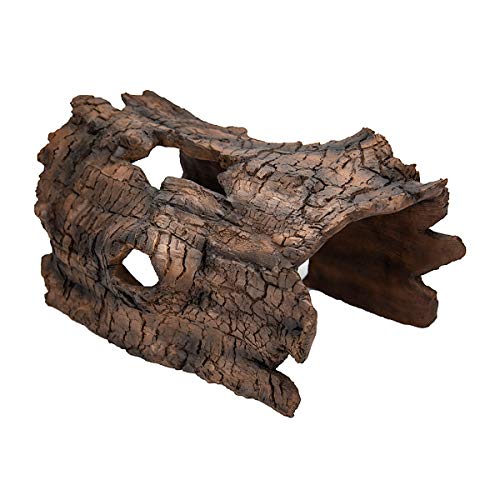
Best for adding secure shelter that reduces vulnerability to predation by giving koi a hiding space. The faux log shelter is designed to blend with natural pond décor while offering a protective refuge. This option complements nets or decoys by addressing the predator’s pattern—giving fish a safe place to retreat.
Who it’s best for: Ponds where fish shelter is a priority or where predators are known to target exposed fish. Why chosen: It provides a tangible refuge in addition to deterrence devices. Caution: It should be used with nets or other barriers for maximum effectiveness in high-predator settings.
Buying Guide: Key Considerations For Keeping Herons Out
What pond size and shape determine the best solution? Small ponds may benefit most from nets and decoys, while larger ponds often require longer nets or multi-component kits. For irregular perimeters, consider nets with extended lengths or modular pieces to fit edges precisely.
Which deterrent strategy fits your maintenance style? If you want minimal upkeep, decoys paired with sturdy nets provide reliable protection with less ongoing effort. If you prefer a more natural look, shelter structures plus a net cover can create a balanced ecosystem that discourages predators while remaining aesthetically pleasing.
Should you combine deterrents or use a single solution? Combining approaches—such as a decoy with a protective net and a shelter—offers redundancy and can be more effective in areas with high predator pressure. When choosing, ensure the components do not obstruct fish access to feeding or aeration.
What installation considerations matter most? Proper securing of nets and frequent relocation of decoys can prevent predators from learning the pattern. For larger nets, stakes and tensioning help keep the cover taut and reduce sagging, which could trap fish or debris.
What maintenance is required? Regular inspections of nets for tears, proper anchoring, and cleaning to remove leaves are essential. Shelters should be checked for stability after storms. Rotating visual deterrents helps maintain their effectiveness over time.
Frequently Asked Questions
- Do pond nets harm fish? Answer: When properly installed, nets protect fish by preventing access to predators, while ensuring adequate water flow and oxygen. Regular checks help prevent entanglement.
- Are decoys effective long-term? Answer: Decoys work best when relocated periodically to mimic a live bird, preventing predators from learning a predictable pattern.
- Can I use nets and decoys together? Answer: Yes. Combining deterrence with physical barriers is often more effective, particularly in predator-rich environments.
- What size net should I choose? Answer: Choose a net large enough to cover the perimeter with some overlap at the edges to minimize gaps where predators can reach in.
- How do I maintain a predator-proof pond year-round? Answer: Use a combination of nets, shelters, and deterrents, check for wear, and adjust protection seasonally when predator behavior changes.
- Which option is best for large ponds? Answer: Kits combining large nets with decoys and possible shelters tend to deliver the most comprehensive protection for bigger water features.