The right nesting tubes can significantly boost solitary bee activity in a garden, supporting pollination and biodiversity. This guide highlights five well-suited cardboard bee nesting tubes, explains who they’re best for, and provides practical buying tips. Each option is designed for mason bees and other solitary species, with easy replacement and compatibility with common bee hotels. Whether you’re a casual gardener or a budding pollinator habitat creator, these tubes offer reliable nesting spaces that are easy to maintain and recycle.
| Product | Best For | Diameter | Length |
|---|---|---|---|
| Gardeners seeking large packs for bug hotels | ~0.3 in (8 mm) | 6 in (15 cm) | |
| Beekeepers needing refill inserts | ~0.3 in (7.9 mm) | 6 in (154 mm) | |
| Eco-conscious, long-term replacement | ~0.3 in (7.9 mm) | 6 in (15 cm) | |
| Durable, reliable nesting for outdoor spaces | ~0.3 in (8 mm) | 6 in (15 cm) | |
| Starter kits and light replacement loads | ~0.31 in (5/16 in) | 6 in (15 cm) |
These tubes are suited for mason bees and other solitary bees commonly used in backyard bug hotels. Look for tubes that are paper-based, durable, and easy to cut or replace. Recyclability and non-toxicity are important for a sustainable pollinator garden. When choosing, consider how many tubes you need, whether you want pre-cut sizes, and if the package includes compatibility with your existing bee house model.
Navaris Cardboard Bee Nesting Tubes
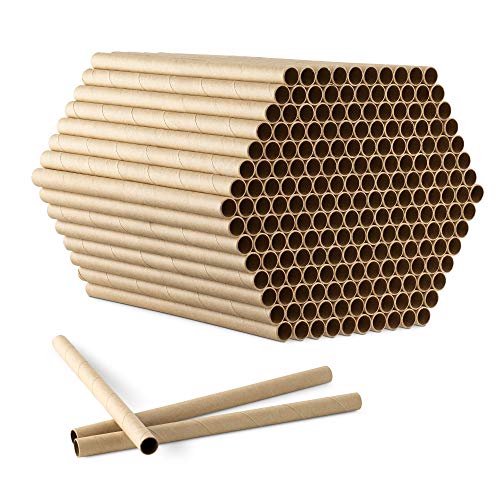
Navaris provides a bulk pack of 200 cardboard tubes, each 6 inches long with a 5/16 inch (8 mm) inner diameter. The tubes are made from 100% paper, supporting recyclability after use. The smooth interior helps bees enter andExit with minimal obstruction. Best for: gardeners who want to fill larger bug hotels or stock up for ongoing season use. Caution: cardboard tubes can wear faster in very damp conditions; place tubes in a sheltered area to extend life.
- Best for filling substantial bug hotels or seasonal replacement.
- Recyclable after wear; Eco-friendly packaging potential.
- 200 tubes included; consistent 6″ length and 0.3″ diameter.
Elcoho Mason Bee Paper Inserts

Elcoho offers 200 mason bee paper inserts, each 6 inches long and 5/16 inch in diameter. Made from premium white kraft paper, these inserts are designed to be durable, cuttable to adjust length, and non-toxic. They serve as reliable nesting material for mason bees and can be reused after replacement. Best for: beekeepers who want a consistent, easy-to-trim nesting option for a predictable bee population. Caution: paper inserts may require more frequent replacement in very windy or dusty environments, as edges can fray if mishandled.
- Ideal size for standard mason bee houses.
- Wraps easily into existing housing setups; can be trimmed as needed.
- Durable, non-toxic kraft paper construction.
URATOT Mason Bee Tubes Refills
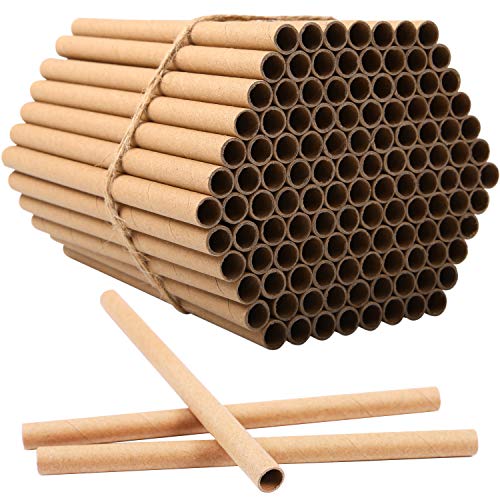
URATOT provides 120 piece sets of mason bee tubes, designed as a practical refill for existing bee houses. The kraft paper material is durable, biodegradable, and non-toxic, with smooth, burr-free edges for easy access. The tubes are described as tough and pressure-resistant, suitable as a replacement for worn-out nesting material. Best for: gardeners seeking a long-lasting, eco-friendly fill for multiple seasons. Caution: ensure proper ventilation and dryness to prevent moisture damage to the paper tubes in damp climates.
- Great for long-term refilling of bee hotels.
- Eco-friendly kraft paper; biodegradable and recyclable.
- 6″ length with a 5/16″ diameter; sturdy yet flexible for cutting if needed.
Gueevin Beehive Nesting Tubes

Gueevin’s pack features 400 nesting tubes, each 6 inches long with a 5/16 inch inner diameter. Made from sturdy paper, these inserts are designed to stay dry and provide a stable nesting environment for bees over time. Best for: outdoor setups where high-volume nesting is needed without frequent replacement. Caution: ensure tubes are stored away from excessive moisture when not in use to prevent deformation or mold growth.
- Long lifespan due to sturdy paper construction.
- Multiple packs offer flexibility for large habitats.
- Simple to trim or replace as bees grow or fields change.
BeeQuestify Mason Bee Tubes 300 Pack

BeeQuestify offers 300 kraft paper nesting tubes, sized at 6 inches long with a 5/16 inch diameter. The tubes are designed for mason bees and suitable for filling mason bee houses and garden pollination setups. Best for: starter kits or expanding a pollinator habitat with a reliable, recyclable material. Caution: check that the tubes fit your specific pre-built bee house, as some models require slightly different fill sizes.
- Great balance of quantity and durability for starter kits.
- Eco-friendly Kraft paper that is recyclable and biodegradable.
- Precise 6″ x 5/16″ dimensions optimize bee access.
Buying Guide: Key Considerations For Choosing Nesting Tubes
Choosing the right nesting tubes involves evaluating material quality, size compatibility, durability, and environmental impact. The following questions help buyers compare options quickly:
- Should I choose paper inserts or non-paper alternatives? Paper inserts are lightweight, recyclable, and easy to modify, making them a practical choice for many backyard setups.
- What diameter is best for mason bees in your area? Most options use around 5/16 inch to 3/8 inch diameters; verify your bee house specifications to ensure a snug fit without restricting entry.
- How long should the tubes last in your climate? In damp or rainy climates, consider slightly more robust, moisture-resistant paper options and provide shade or shelter to prevent rapid wear.
- Do you need bulk packs or refill inserts? Bulk packs suit larger gardens, while refill inserts work well for ongoing maintenance of smaller spaces.
- Are the tubes compatible with your existing bee hotel design? Confirm length, diameter, and whether the interior walls are smooth to support easy entrance for bees.
Practical Tips For Maximizing Mason Bee Habitats
- Place bee houses in a sunny, sheltered spot with Southwest or Southeast exposure to encourage early spring activity.
- Ensure good ventilation and avoid direct contact with soil or standing water to prevent moisture damage.
- Rotate tubes seasonally or replace heavily used sections to maintain disease resistance and nest hygiene.
- Label placements or create a simple catalog of which houses or tubes are active to simplify ongoing maintenance.
- Combine nesting tubes with flowering plants that bloom across seasons to sustain pollinator presence.
Frequently Asked Questions
- What are mason bee tubes used for? They serve as nesting sites for solitary mason bees, improving pollination in gardens and landscapes.
- Are cardboard nesting tubes safe for bees? Yes, they are designed for bee access, typically made from paper-based materials that are non-toxic and recyclable.
- Can these tubes be cut to different lengths? Some inserts are designed to be cut to fit specific bee houses or preferences.
- Which size is most common for mason bees? A 6-inch length with a 5/16-inch diameter is a commonly recommended size, though check your housing model.
- How often should nest tubes be replaced? Replacement frequency depends on wear, moisture exposure, and bee activity; inspect for frayed edges or damage.
- Do these products help with garden pollination? Yes, robust nesting options support mason bee populations, which in turn enhances pollination for flowers and crops.