Finding the right ground cover can enhance a rose garden by suppressing weeds, conserving moisture, and stitching color between rose bushes. The selections below focus on hardy, low-maintenance options that pair well with roses and thrive in American landscapes. Each entry highlights why the plant fits as a ground cover in rose beds, along with practical care notes and where to buy.
Summary of chosen products:
| Product | Brand | Why It Fits | Link |
|---|---|---|---|
| Apricot Drift Groundcover Rose | New Life Nursery & Garden | Product Link | |
| Perfect Plants Lemon Drift Rose Bush | Perfect Plants | Product Link | |
| Heirloom Roses Luna Love White Groundcover | Heirloom Roses | Product Link | |
| HOME GROWN Moss Rose Seeds | HOME GROWN | Product Link | |
| 10000+ Double Moss Rose Seeds | Wivolibe | Product Link |
Apricot Drift Groundcover Rose
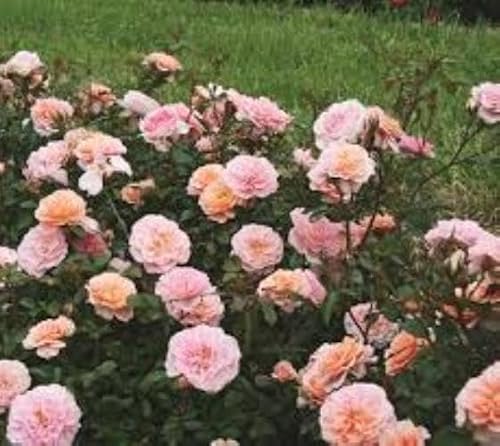
Apricot Drift Groundcover Rose is a compact, cold-hardy selection designed to spread as a low, dense carpet in the garden. The spring bloom brings soft apricot hues that age to peachy tones, providing continuous color between taller rose varieties. Foliage is glossy and dark green, contributing to a cohesive rose bed while needing minimal pruning. As a live plant, it offers immediate effect in landscape design and can thrive in smaller gardens with full sun.
Perfect Plants Lemon Drift Rose Bush

The Lemon Drift Rose offers a cheerful, lemon-yellow bloom that works well as a ground cover or low hedge near rose borders. This cultivar is described as easy to care for and cold hardy across a wide range of U.S. hardiness zones, making it suitable for diverse American climates. It ships rooted in a nursery pot and is ready for transplanting, which helps ensure quick establishment alongside existing roses while maintaining a balanced color scheme in the landscape.
Heirloom Roses Luna Love White Groundcover

This Luna Love white groundcover rose is an own-root variety, meaning it is typically stronger and more resilient with repeat blooms. Delivered in one-gallon containers, it’s designed to establish quickly in garden beds and borders adjacent to other roses. Suitable for hardiness zones 7-10, Luna Love provides a bright, clean white complement to pinks, reds, and apricots in a layered rose garden design.
HOME GROWN Moss Rose Seeds

These moss rose seeds (Portulaca grandiflora) produce bright, ground-hugging blooms that thrive in full sun and hot, dry conditions. They’re well-suited for filling gaps around roses with a drought-tolerant display. The seeds germinate in warm soil and spread rapidly, making them an economical option for expanding color while requiring relatively low maintenance. They perform best where soil drains well and where there is ample sun exposure.
10000+ Double Moss Rose Seeds

These double moss rose seeds offer a prolific flow of color across the bed, favoring sunny locations where soil remains well-drained. The seeds are suitable for rock gardens, containers, and ground covers near rose plantings. As an annual, they will complete a full color cycle each year, providing a reliable burst of blooms to pair with perennial roses while requiring minimal ongoing care.
Buying Guide: Ground Covers That Complement Roses
When choosing ground covers to pair with roses, consider growth habit, bloom timing, sun exposure, and maintenance needs. Low-growing‘drift’ varieties help suppress weeds and reduce soil moisture loss, which benefits rose roots. Drought-tolerant options reduce irrigation demands in hot climates, but may require extra attention in prolonged overcast periods when growth slows.
Key considerations include:
- Sun and shade balance: Most moss roses thrive in full sun; some rose ground covers tolerate partial shade. Position accordingly.
- Soil and drainage: Ensure well-drained soil. Water-loving options may encourage fungal issues near dense rose beds.
- Growth rate and spread: Determine whether you want a quick ground cover or a slower, more controlled spread to avoid crowding roses.
- Watering and drought tolerance: Drought-tolerant ground covers are beneficial in dry climates but may require protection from extreme heat during establishment.
- Maintenance needs: Some varieties are seasonal annuals; others are perennials or own-root roses that provide longer-lived structure in the bed.
- Aesthetic coordination: Align flower color and bloom time with roses to create cohesive color transitions between plants.
Practical tips for integration:
- Plant ground covers slightly beyond the drip line of rose bushes to reduce weed growth without crowding the roots.
- Use mulch around the plants to preserve moisture and regulate soil temperature while the ground cover establishes.
- Group plants with similar water needs to simplify irrigation planning.
- Monitor for pests and disease that can spread between dense plantings; provide airflow to reduce fungal issues.
Across these selections, gardeners gain a spectrum of color, texture, and resilience to complement rose beds. Whether aiming for a compact carpet of apricot blooms, lemon-yellow highlights, or white accents, these ground covers provide practical and aesthetic benefits for American landscapes.