Selecting the right pasture grasses helps maximize livestock health, growth, and yield while reducing maintenance. This guide highlights five high-performing seed mixes and grasses tailored for American pastures, including endophyte-free options, drought-tolerant blends, and cold-hardy perennials. Each product offers unique benefits for different climates and grazing needs, from rapid establishment to long-term persistence. Read on to compare characteristics, suitability, and usage tips for maximum pasture productivity.
| Product | Type / Use | Key Benefit |
|---|---|---|
| Barenbrug SeedPasture25 | Mixture for all livestock classes | Rapid establishment and endophyte-free seed |
| X-Seed Pasture Land Dry-Land | Dry-area forage seed mix | Micro-Boost germination; hot, dry climate adaptability |
| Mountain View Pasture Overseeder | Pasture overseeder mix | Excellent persistence; diverse ryegrasses and clovers |
| Outsidepride Climax Timothy | Timothy pasture seed | Winter-hardy, high-yield, easy to grow |
| Outsidepride Grazer Orchard | Orchard grass blend | Drought and shade tolerance; high yield and nutrition |
Barenbrug SeedPasture25 Grass Seed

Barenbrug SeedPasture25 is designed for quick pasture recovery and establishment, usable even under less-than-ideal conditions. The seed is endophyte-free, which enhances safety and palatability for a wide range of livestock including horses, cattle, sheep, and goats. Its adaptability to both northern and transition climates makes it a versatile option for many American farms. This seed supports rapid regrowth after grazing or mowing and can also be used for hay production when needed. Producers benefit from a dependable establishment window and broad animal compatibility.
X-Seed Pasture Land Dry-Land Forage Seed
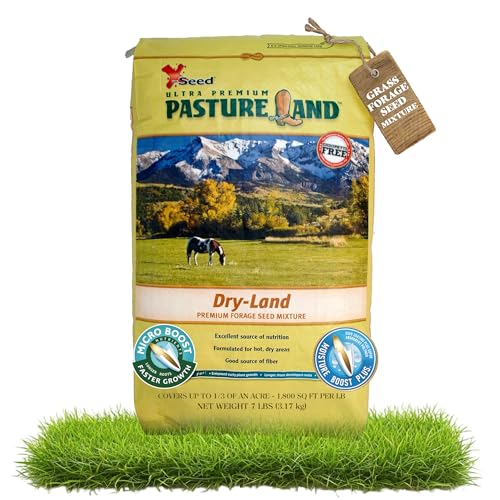
X-Seed Pasture Land Dry-Land is a forage seed mixture formulated for hot, dry climates, elevating pasture resilience in arid regions. The blend includes tall fescue, orchard grass, and ryegrass, with Micro-Boost technology to enhance germination and early root development. This combination supports faster establishment, robust seedling strength, and continued forage production in sun-don, water-limited environments. Suitable for elevations up to 8,000 feet, it helps maintain soil health while delivering dependable nutrition for grazing livestock.
Mountain View Pasture Overseeder Grass Seed

Mountain View Seeds 100373 Pasture Overseeder combines several ryegrasses with clover to deliver excellent persistence and higher yields. The mix includes annual ryegrass, Tetramag intermediate ryegrass, white and red clover blends, creating a diverse forage base. This option is well-suited for overseeding existing pastures to boost productivity, improve soil health, and extend grazing windows. Its versatility makes it appropriate for farms seeking to refill bare spots, improve soil structure, and increase forage density without reestablishing a stand from scratch.
Outsidepride Climax Timothy Pasture Grass Seed

Outsidepride Climax Timothy is a late-season Timothy pasture seed designed for cool-season grazing. It thrives in USDA zones 3–7 and is noted for winter hardiness, high yield, and ease of growth. Timothy is especially palatable to livestock and suited for hay production, late-spring grazing, and field curing. This option provides reliable forage in cooler climates and helps support steady fiber-rich nutrition for cattle and small ruminants while maintaining good hay quality during harvests.
Outsidepride Grazer Orchard Pasture Grass Seed

The Grazer Orchard blend from Outsidepride combines Amba, Olathe, and Athos orchard grasses, offering robust growth, drought tolerance, and shade tolerance. This perennial mix yields high biomass—approximately 15–20 tons of dry matter per acre—perennially. It delivers nutritious, high-digestibility forage suitable for grazing, hay, and silage applications, while remaining adaptable to various climate zones. Orchard grass provides a flexible option for farms seeking a dependable forage source with strong resilience and consistent performance in mixed pasture systems.
Outsidepride Horse Choice Pasture Mix
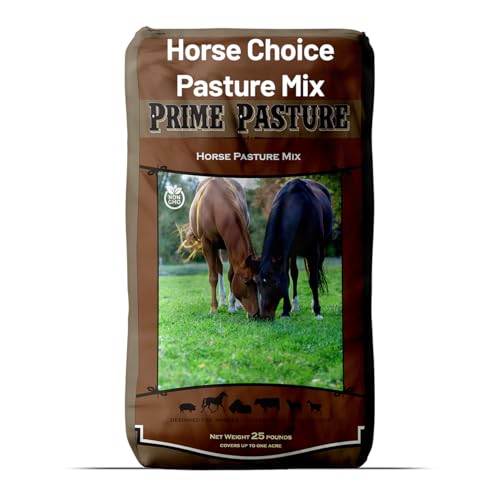
Outsidepride Horse Choice Pasture & Livestock Seed Mix combines orchard grass, timothy, fescue, and Italian ryegrass to create a high-yield grazing mix. The composition supports regrowth for pasture-raised animals, including horses, goats, and poultry. This drought-tolerant and cold-hardy blend is designed for long-term pasture durability across USDA zones 3–10, providing a reliable forage option that fosters steady intake and efficient nutrient delivery across grazing rotations.
Buying Guide: Key Purchase Considerations
- Climate and hardiness: Choose seeds matched to your USDA zone, winter temperatures, and rain patterns. Endophyte-free and cold-hardy blends offer safer, more persistent forage across seasons.
- Grazing needs and livestock type: Consider palatability and fiber content for horses, cattle, sheep, or goats. Some mixes emphasize high digestibility, others focus on yield or drought tolerance.
- Establishment and maintenance: Rapid-establishing seeds minimize bare ground. Overseeder mixes are ideal for rejuvenating existing pastures, while perennial blends provide long-term stability.
- Soil health and moisture: Drought-tolerant and soil-stabilizing seeds reduce irrigation needs and erosion risk. Look for mixes that suit wet or dry conditions and soil textures.
- Forage flexibility: Some blends support hay production, silage, or greenchop, enabling multi-use pastures. Check seed coats, germination rates, and mineral profiles as part of the selection.
When selecting a pasture mix, align your choice with your operation’s rotation schedule, available irrigation, and primary forage goals. For mixed-species pastures, consider blends that include grasses and legumes to balance nitrogen and improve soil health. Always follow best planting practices and local extension recommendations to maximize establishment success and long-term performance.