Answering shoppers’ questions about coral bells, this guide highlights top coral bells flowers and plants that thrive in shade and partial sun. These selections are ideal for gardeners seeking year-round foliage color, easy care, and good wildlife appeal. The featured picks balance vibrant foliage, compact growth, and reliable performance for shade gardens, borders, containers, and woodland beds.
Summary table of selected products:
| Product | Best For | Key Benefit | Notes |
|---|---|---|---|
| Live Heuchera (Coral Bells) – Purple | Color enthusiasts and shade gardeners | Deep purple foliage, spring color | About 24 in tall, well-draining soil essential |
| Live Heuchera Coral Bells 2-Pack – Peach Parfait | Shade garden borders and containers | Warm peach-toned foliage, compact growth | Partial shade, evenly moist soil |
| Outsidepride Coral Bells Firefly Seeds | Budget planters and mass plantings | Compact habit, vibrant red blooms | Zone 3–8, full sun to partial shade |
| Live Heuchera Coral Bells – Black Olive | Dramatic focal points in shade | Very dark foliage, strong contrast | 10–12 in tall, 14 in wide |
| GARDENS ALIVE! Mixed Colored Coral Bells | Starter plantings and mixed borders | Varied colors, dormancy and spread | 5 dormant bare roots per offer |
Live Heuchera (Coral Bells) – Purple

The Purple Coral Bells variety is best for color-focused shade planters and mixed borders. Its striking purple and maroon foliage adds depth to early-season beds and can persist into cooler months with the right moisture. This plant typically reaches about 24 inches in height with a 12-inch spread, making it suitable for mid-height specimen spots or as a backdrop for lower perennials. Ideal care requires well-draining soil with organic matter, regular moisture, and avoidance of overwatering to prevent root issues. Best for gardeners who want a bold foliage focal point in partial sun to full shade.
- Best for: Color-rich shade or partial sun areas where foliage stands out.
- Why selected: Classic purple tones provide dramatic contrast; height makes it a garden standout.
- Limitation: Requires consistently moist, well-drained soil; overwatering can cause root rot.
Live Heuchera Coral Bells 2-Pack – Peach Parfait

The Peach Parfait two-pack is ideal for shade borders, rock gardens, or containers where warm foliage tones can brighten a shaded corner. This variety typically grows about 10–12 inches tall with a 14-inch spread, making it a compact but impactful choice for small spaces or paired groupings. It prefers partial shade and evenly moist, well-draining soil. Choose this if you want reliable, repeat color in layered shade plantings without taking up height space.
- Best for: Small shade borders, container plantings, and mixed shade borders.
- Why selected: Consistent peach foliage adds year-round color in gloomier spots.
- Caution: Avoid overly dry soil; maintain even moisture to prevent foliage stress.
Outsidepride Coral Bells Firefly Seeds
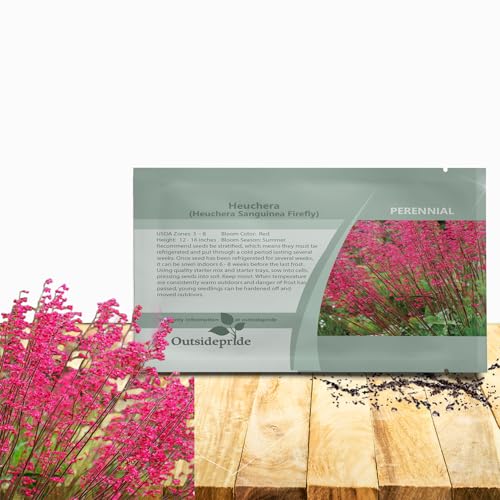
Firefly seeds offer a cost-effective entry into growing coral bells from seed, suitable for borders, containers, or rock gardens. Plants reach a compact height of 12–16 inches, making them well-suited for smaller beds and edging. They perform across USDA zones 3–8 and tolerate full sun to partial shade, with color lasting through warm periods as foliage remains attractive. This option is best for gardeners who want a broader planting plan and are comfortable with starting from seed.
- Best for: Budget-conscious planters and mass plantings.
- Why selected: Compact height, adaptable to many garden layouts and climates.
- Limitation: Seed-grown plants may vary in color and bloom timing compared to established cultivars.
GARDENS ALIVE! Mixed Colored Coral Bells

This mixed-color collection from Gardens Alive! provides multiple coral bells hues in one starter offer. Stored as dormant bare root roots, these are practical for gardeners looking to establish a rainbow of foliage at once. They should be spaced about 20 to 24 inches apart to allow for mature spread. The diverse color palette makes them versatile for borders, woodland beds, and container combos, especially when paired with shade-loving companion plants. Best for new plantings and gardeners who prefer an easy, bulk approach to color.
- Best for: Mixed borders and starter plantings with color variety.
- Why selected: Quick visual impact with a range of foliage tones.
- Limitation: Bare root offers require timely planting and careful handling to ensure successful establishment.
Buying Guide: Coral Bells And Shade Gardening Essentials
What to consider when choosing coral bells
Shade tolerance, soil drainage, and moisture needs are central to coral bells success. Look for cultivars that match your light levels and irrigation schedule. If you have consistently moist soil but risk of root rot in overly wet conditions, choose well-draining mixes and avoid heavy clay soils. Group taller varieties behind shorter ones to create layered interest.
Which growth habit fits your space?
Compact varieties work well in containers and edging, while taller selections serve as backdrops in borders. Consider final height and spread to prevent overcrowding and to ensure each plant has room to thrive. For small gardens, starting with mixed color packs can provide a rapid foundation with minimal maintenance.
Foliage color and seasonal interest
Coral bells offer foliage colors ranging from deep purples to bright peach and dark olive. For year-round impact, combine contrasting colors and textures, including berries or flowering companions that bloom at different times. Some varieties maintain color well through cool seasons, while others reclaim vibrancy with seasonal growth.
Care and maintenance basics
Plant in well-draining soil enriched with organic matter. Water consistently to keep the soil evenly moist but not waterlogged. Mulching helps retain moisture and reduces weed pressure. Avoid heavy fertilization that can promote excessive leaf growth at the expense of root health. Pruning spent flowers or old leaves can help maintain a tidy appearance.
Choosing seeds versus nursery plants
Seeds are cost-effective and ideal for larger landscape plans or experimentation with color groups. Nursery plants offer instant impact and established roots, which can be advantageous in container gardens or when time is limited. If starting from seed, provide appropriate germination conditions and patience for the plant to reach a saleable size.
Frequently Asked Questions
- What light conditions do coral bells prefer? — Partial shade to full shade is typically best, though some cultivars tolerate sun with adequate moisture.
- How often should I water coral bells? — Water consistently to maintain evenly moist soil; avoid letting the soil stay soggy, which can lead to root rot.
- Do coral bells need rich soil? — They prefer well-draining soil rich in organic matter for best foliage color and growth.
- Can coral bells be grown in containers? — Yes, most cultivars adapt well to containers with appropriate drainage and moisture management.
- Are coral bells deer-resistant? — Many coral bells are deer-resistant, but resistance can vary by cultivar and local deer pressure.
- When is the best time to plant coral bells? — Early spring or fall planting allows established roots to form before peak heat, especially in temperate regions.