Answer: Floating water garden plants can dramatically improve pond clarity, shade the water, and provide natural biofiltration. This guide highlights five top floating selections for American ponds and water gardens, helping you pick plants that suit your climate, maintenance style, and aesthetic goals. Best for beginners are low-maintenance floating varieties; best for shade-loving ponds are larger leafed species; best for balanced filtration are plants with strong surface coverage. The following table summarizes the five chosen products for quick comparison.
| Product | Best For | Key Benefit | Notes |
|---|---|---|---|
| Floating Plants for Water Gardens and Ponds (Water Lettuce) | Beginners, natural filtration) | Easy to plant; natural biofilter; brightens water | 1 plant per order |
| Golden Water Poppies (Hydrocleys Nymphoides) – Easy Live Pond Plants | Colorful display; light tolerance | Bareroot plants; floater that can root in soil | Check heat precautions |
| Floating Plants for Water Gardens and Ponds (Water Poppy) | Low-maintenance, quick fill | Potted plant; reproduces via runners | Need pond placement in soil for best growth |
| 2 Water Lettuce + 2 Water Hyacinth Bundle | Surface coverage; biofiltration mix | Two species in one bundle; oxygenation | Temperature sensitivity noted |
| Water Hyacinths Floating Water Garden Plants (12 live plants) | Dense surface coverage | Multiple plants for rapid coverage | State shipping limitations apply |
Floating Plants for Water Gardens and Ponds (Water Lettuce)

You receive 1 Water Lettuce plant, 3-5″ in diameter, ready to float on your pond. This variety is praised for its ease of planting and maintenance. It acts as a natural biofilter to help clear pond water by absorbing nutrients. Best for new water gardens or small ponds seeking straightforward, aesthetic green coverage. Limitation: a single plant per order means gradual coverage unless paired with additional plants over time.
Golden Water Poppies (Hydrocleys Nymphoides) – Easy Live Pond Plants
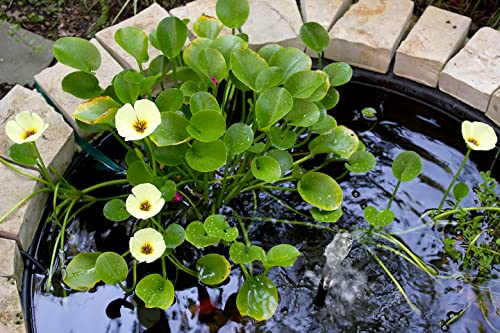
These bareroot Water Poppies arrive as a single plant ready to reproduce. They float naturally but perform best when planted in aquatic soil. They provide natural biofiltration while offering a bright, golden bloom when in season. Caution: extreme heat or cold winds may stress live plants, so plant in shaded or sheltered areas during peak heat or cold snaps. Best for ponds wanting both color and filtration with a modest maintenance profile.
Floating Plants for Water Gardens and Ponds (Water Poppy)

This listing provides 1 potted Water Poppy in a 2″ pot, ready to place in your pond and grow. Water Poppies reproduce through runners and serve as a natural biofilter. Best for gardeners who prefer a concise, easy-to-place plant that quickly begins filtering and shading. Limitation: might require planting in aquatic soil for optimal growth.
Floating Flowering Plant – Live Aquatic Plants (Water Hyacinth Bundle)

This bundle highlights live Water Hyacinths with natural filtration benefits and shade for pond inhabitants. Best for quickly covering surface areas and reducing light-driven algae growth. Caution: hyacinths are fast-growing and may require regular thinning to prevent overgrowth or clogging of pond intakes in small setups. Choose this if you want rapid surface coverage and strong filtration.
2 Water Lettuce + 2 Water Hyacinth Bundle

This bundled set includes 2 Water Lettuce and 2 Water Hyacinth plants, about 3-5 inches in diameter. The combination provides immediate surface coverage and robust biofiltration through two plant species. Best for ponds needing faster establishment and better oxygenation. Limitation: temperature sensitivity requires attention to local climate and seasonal shading during extreme heat or cold.
Water Hyacinths Floating Water Garden Plants (12 live plants)
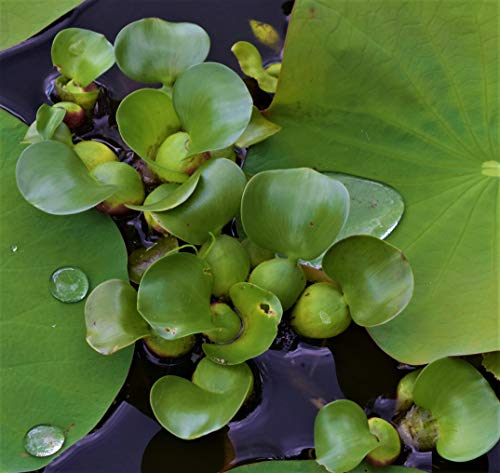
These are 12 live Water Hyacinths delivered for rapid surface coverage and filtration. The listing notes shipping limitations to certain states, so consider local regulations and climate. Best for larger ponds or areas needing quick, thorough surface shading. Avoid if you keep a small pond where overcrowding could restrict water movement and oxygen exchange. Use with ongoing maintenance to manage growth.
Buying Guide
What should I consider before buying floating pond plants?
Climate suitability, heat tolerance, and local regulations are key. Some plants ship best in mild temperatures and may suffer in extreme heat or cold winds. Consider whether you want rapid coverage, color, or filter support, and whether you prefer ready-to-float plants or bareroot specimens that root in soil.
How do these plants affect pond filtration and algae control?
Floating plants absorb excess nutrients from the water, which helps reduce algae growth. They provide shade that lowers light penetration and can improve oxygen dynamics during the day. For best results, pair floating plants with proper pond maintenance and circulation.
What size pond is appropriate for these plants?
Most listed plants suit small to medium ponds typical of residential water gardens. If your pond is large, multiple fleets or bundles can expedite coverage. For very small ponds, monitor growth to avoid over-shading and restricted water movement.
Are there etiquette or regulatory considerations?
Some floating plants, notably water hyacinths, are regulated in certain states due to environmental concerns. Check local laws before ordering. Also consider shipping restrictions noted by sellers, especially for hyacinths to specific regions.
Maintenance tips for floating pond plants
Remove excess growth periodically to maintain shade and filtration balance. Thin overcrowded mats and remove dead leaves. If plants are reproducing aggressively, divide or relocate to other parts of the pond to maintain healthy circulation and prevent nuisance growth.
How should I place these plants in the pond?
Place potted plants or bare roots where they have enough light but aren’t overwhelmed by direct sun in the hottest part of the day. Observe how the plants settle and adjust placement as needed to balance filtration with open water for oxygen exchange.
FAQ
-
Are floating pond plants safe for fish?
Yes, most floating pond plants are safe and provide shelter and shade for pond life while contributing to water quality through natural filtration.
-
Do I need soil to plant floating water lilies or poppies?
Some species thrive when rooted in aquatic soil, while others float freely. Follow the product’s guidance on whether a soil medium is recommended for best growth.
-
How quickly will these plants affect water clarity?
Results vary with pond size, existing nutrient levels, and sunlight. In general, rapid coverage can begin within weeks, with ongoing filtration improving over time as plants establish.
-
Can I combine different floating plants?
Yes, combining different species can provide broader coverage, diversify filtration benefits, and enhance aesthetic variety. Monitor for overgrowth and manage accordingly.
-
What if temperatures become extreme?
Many floating plants are sensitive to heat or freezing. In extreme heat, provide shade during peak sun; in cold seasons, consider overwintering strategies or selecting more cold-tolerant varieties.
-
Are there shipping restrictions?
Some varieties are restricted in certain states. Review the product listing for any state limitations before purchasing.