Answer: If you want lilac bushes that deliver extended spring interest, the following selections provide reliable bloom cycles, fragrance, and garden-ready size. This guide highlights five lilac options best for American gardens, from ready-to-plant live lilacs to seeds for gardeners who want to grow their own stock. Each entry includes who it’s best for, why it was chosen, and practical buying notes.
| Product | Type | Best For |
|---|---|---|
| Common Lilac Bush – Lavender Purple Blooms | Live Plant | Small yards, containers, early-season color |
| Purple Lilac Live Plant in 4″ Pot | Live Plant | Patios, borders, fragrance starting in spring |
| Common Lilac Bush – Lavender Purple Blooms (Japanese Maples and Evergreens) | Live Plant | Cold-hardy landscaping, front or back beds |
| Lilac Bush Plants, Dark Purple Blooms | Live Plant | Garden borders, classic purple focal point |
| 200 Mixed Lilac Seeds Perennial Fragrant Blooms | Seeds | Gardening from seed, long-term bloom exploration |
Common Lilac Bush – Lavender Purple Blooms

Feature highlights indicate a ready-to-plant live plant that ships 2 to 3 feet tall. This option is best for buyers seeking a true, early-season lilac with classic lavender blossoms. The plant is described as deciduous with some winter dormancy in leafless months, which is typical for lilacs in colder climates. It thrives in zones 4 through 8 with full to part sun.
- Best for small gardens or container setups due to its 2–3 ft shipping size.
- Ideal for buyers who want a reliable spring fragrance and classic lilac color.
- Limitations: Winter leaf drop can appear barren in colder months; plan for seasonal maintenance.
Purple Lilac Live Plant in 4″ Pot

This live plant is rooted and ready for planting in gardens, patios, or larger containers, though blooms may not appear in the first season. It’s well-suited for gardeners prioritizing fragrant spring blooms and a compact initial size. The plant is often chosen for borders, hedges, or borders that benefit from a continuous fragrance.
- Best for first-time lilac growers who want a quick-to-establish specimen.
- Better for those who prefer a pot-grown plant ready for immediate planting.
- Caution: Early-season bloom may take a year to develop depending on growing conditions.
Common Lilac Bush – Lavender Purple Blooms (Japanese Maples and Evergreens)

Best for cold-hardy landscapes, this option emphasizes resilience in zones 3–7 and drought tolerance once established. The shipping size is 1 to 2 feet tall in pots, making it a manageable addition to many beds.
- Best for landscapes requiring winter hardiness and drought resistance.
- Choose this if you want a lilac that can tolerate tougher conditions while preserving fragrance.
- Limitation: Moderate growth rate may mean slower canopy development in extreme climates.
Lilac Bush Plants, Dark Purple Blooms

Best for classic garden borders, this product features mature-looking, dark purple blooms with a more compact overall size. It’s presented as a 2-foot-tall plant, which supports easy placement in front-of-bed displays or near walkways.
- Best for front-of-border positions where fragrance and color are visible from windows.
- Better for small to mid-sized beds needing a focal plant.
- Caution: Depending on the nursery batch, fragrance intensity can vary.
200 Mixed Lilac Seeds Perennial Fragrant Blooms
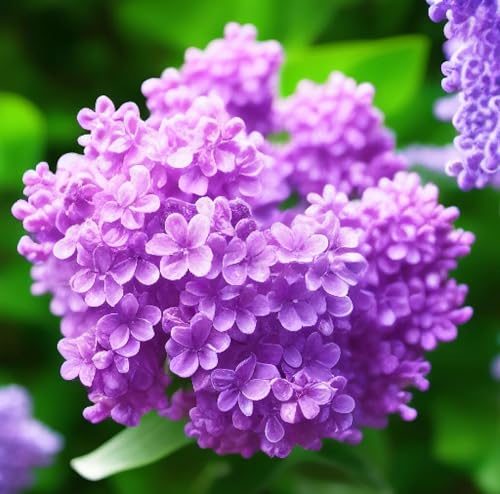
This seed option offers a perennial approach to lilac color and fragrance. It emphasizes a high germination rate and heirloom appeal, guiding gardeners who prefer growing lilacs from seed for years of enjoyment. The product notes highlight a fragrance-forward phenotype and timeless ornamental value in landscapes.
- Best for gardeners who want to cultivate lilacs from seed and observe year-to-year bloom cycles.
- Better for experienced gardeners who can manage sowing and transplanting with patience.
- Limitation: Seed-grown lilacs may take longer to reach full blooming size than nursery-grown shrubs.
Buying Guide for Long-Blooming Lilac Bushes
What to consider before you buy a lilac bush for long bloom cycles:
- Climate and hardiness: Confirm USDA zone compatibility for your location to ensure reliable spring bloom and winter resilience.
- Size at maturity: Determine whether you need a compact specimen for borders or a larger shrub for privacy or screening.
- Bloom timing and fragrance: Look for cultivars marketed for extended bloom windows and strong fragrance, especially if scent is a primary goal.
- Care and maintenance: Consider sun requirements, soil quality, and drought tolerance, plus pruning needs to maintain shape and vigor.
- Growing from seed vs. nursery plant: Seeds can be economical but take longer to establish; nursery plants provide faster bloom and uniformity.
- Rooting and transport: For live plants, verify how the root ball is prepared and expected shipping size to match your planting plan.
Practical comparisons
- Best for most beginners: Live plants shipped with clear planting instructions and zones guidance.
- Better for fragrance enthusiasts: Cultivars described as fragrant and with strong spring blooms.
- Choose seeds if you want to grow from scratch and enjoy long-term investment in your landscape.
Planting and care quick tips
- Plant in full sun with well-draining soil for best bloom and growth.
- Water deeply during establishment, then rely on moderate irrigation as needed.
- Prune after flowering to conserve energy for next year’s blooms.
Frequently Asked Questions
- How long do lilacs usually bloom?
Most lilacs bloom for several weeks in spring, with peak color concentrated in mid- to late spring depending on the cultivar and climate.
- Are lilacs drought-tolerant?
Lilacs tolerate drought once established but perform best with regular moisture, especially in hot, dry periods.
- Can lilacs grow in containers?
Some dwarf or 2–3 ft tall varieties adapt to containers with careful watering and fertilizer. Choose pot-friendly cultivars and monitor growth regularly.
- When should lilacs be pruned?
Prune soon after flowering to avoid cutting off next year’s buds. Light shaping can be done after blooms fade.
- Do all lilacs have strong fragrance?
Most common lilacs are fragrant, but intensity can vary by cultivar and environmental conditions.
- Are lilacs suitable for small gardens?
Yes, many cultivars are available in compact sizes ideal for borders, entryways, or container setups.
Summary: The chosen products emphasize long bloom windows, fragrance, and suitability for a range of American climates. If you want a fast-establishing shrub, a ready-to-plant live lilac from a reputable seller is ideal. If you prefer a budget-friendly start or wish to customize your bloom schedule, seed options offer long-term value and hands-on gardening experience.