Discover the best hardy perennial hibiscus plants for American gardens. These selections are chosen for cold tolerance, large tropical-looking blooms, and reliable year-to-year performance. Each option is suited to different garden goals—from pollinator gardens to container displays. The top picks below highlight who each plant is best for and why they stand out.
| Product | Size / Form | Best For |
|---|---|---|
| Lord Baltimore Hibiscus Live Plants (2-Pack) | 5–9″ starter plants; large 10″ blooms | Cold-hardy, dramatic focal points in mixed borders |
| 2 Red Hibiscus Live Plants | 4–8″ starter plants | Containers or small gardens; fast impact in warm climates |
| Hibiscus Flower Seeds, 30 Seeds | Seeds for growing from scratch | Tropical display on a budget; beginners to experienced gardeners |
| 100 Giant Hibiscus Flower Seeds | Giant-flower variety seeds | DIY landscaping and multi-color displays |
| 2 Bright Red Hibiscus Live Plants | 4–8″ starter plants | Quick color for warm climates; versatile for beds or pots |
Note: The listed products span live plants and seeds. Choose based on your climate, desired bloom size, and how quickly you want visual impact. This guide emphasizes hardiness, bloom scale, and ease of care to help you select hibiscus that thrive in American gardens.
Best Lord Baltimore Hibiscus Live Plants
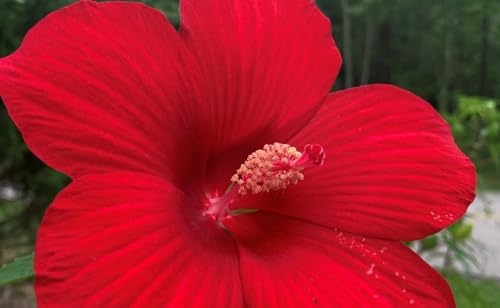
The Lord Baltimore Hibiscus is a hardy perennial hibiscus (Hibiscus moscheutos) valued for its enormous 10-inch crimson-red blooms and tropical look. Best for gardeners seeking a dramatic focal point in zones that tolerate cold, down to Zone 5. The plants arrive as established starts (5–9 inches) and are ready for immediate planting to establish roots before blooming season. This option is especially suitable for outdoor borders, pollinator-friendly beds, and containers that need a summer showstopper.
- Best for: Cold-hardy tropical appearance and striking bloom size.
- Why selected: Giant blooms and rapid spring growth boost visual impact.
- Limitation: Requires sunny location and consistent moisture for peak flowering.
Two Red Hibiscus Live Plants
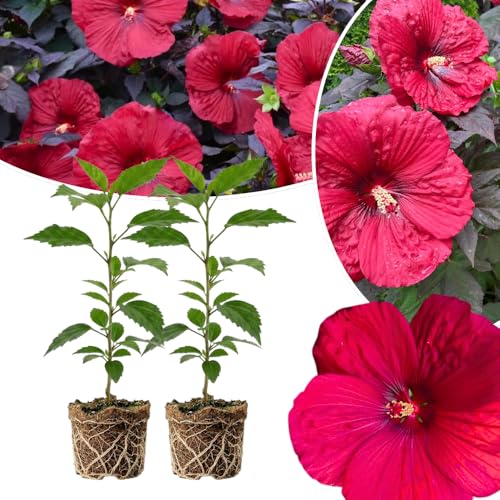
This pair of red hibiscus live plants is best for warm climates where full sun and well-draining soil support vigorous growth. Typically reaching 6–10 feet tall and 4–6 feet wide, these plants deliver continuous red blooms from spring through fall. They are suited for large garden beds, landscape borders, or container setups that can accommodate their mature size in USDA zones 9–12.
- Best for: Quick, dramatic color in warm-season landscapes.
- Why selected: High bloom density and strong growth habit in suitable zones.
- Limitation: Will need winter protection or soil warmth in cooler microclimates.
Hibiscus Flower Seeds, 30 Seeds

Seeds offer a cost-effective way to introduce hibiscus to a garden and are suitable for beginners who want to grow tropical beauty from scratch. These hardy perennial seeds promise seasonal color year after year and can be integrated into borders, containers, or pollinator-friendly plantings. They are best for gardeners who enjoy a hands-on planting process and the anticipation of year-to-year blooms.
- Best for: Budget-conscious gardeners and seed-start enthusiasts.
- Why selected: Encourages learning and long-term garden diversity.
- Limitation: Requires more patience and care during germination and establishment.
100 Giant Hibiscus Flower Seeds

This mix-color seeds pack supports a DIY approach to hibiscus gardens. It’s well suited for gardeners who want variety and the chance to observe growth from seed stage. The seeds can be planted for potted displays or garden beds, and the mix color option helps create a vibrant, multi-hued landscape feature.
- Best for: DIY landscaping with multiple color options.
- Why selected: Flexibility in planting locations and color diversity.
- Limitation: Seed-grown plants may take longer to reach large bloom size than starter plants.
Attractive Bluebird Hardy Hibiscus
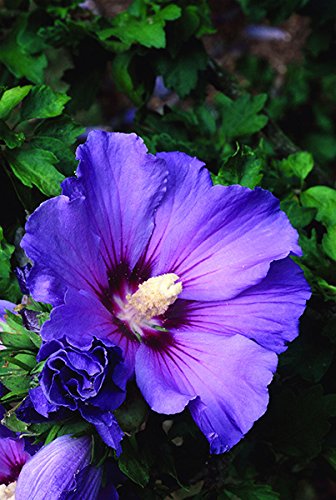
The Bluebird Hardy Hibiscus is a rose-of-Sharon variation that offers 8–12 inches tall growth in a compact pot. This option is ideal for smaller spaces or container setups where gardeners want a reliable, eye-catching hibiscus without sprawling vines. It’s best for zones 8–11, with bright summer color and a manageable footprint for patios or balconies.
- Best for: Compact hibiscus in containers or small gardens.
- Why selected: Easy to grow and space-efficient for urban layouts.
- Limitation: May require frost protection in cooler microclimates.
2 Rose Hibiscus Live Plants

This pair of rose hibiscus plants emphasizes large blooms in shades of red, pink, or white. With a typical height of 2–3 feet and a broad leafy silhouette, they fit well in USDA zones 5–9. They prefer full sun and consistently moist, well-draining soil for robust flowering and a compact, garden-friendly habit.
- Best for: Medium-height, color-rich borders or container displays.
- Why selected: Compact size with the promise of large, showy blooms.
- Limitation: Smaller plants may require protection in colder zones or during harsh winters.
Buying Guide: Key Considerations For Hardy Hibiscus Plants
- Climate compatibility: Verify your USDA hardiness zone and select varieties known to survive winters in that zone. Some hibiscus are cold-hardy to Zone 5, while others thrive only in warmer areas.
- Growth habits and space: Consider plant size at maturity—some stay compact in pots, while others grow tall and wide. Plan bed space or container footprint accordingly.
- Bloom size and color: Giant blooms offer dramatic focal points; smaller varieties suit borders or containers. Color variety helps create layered garden color.
- Propagation method: Live plants provide instant impact; seeds offer budget-friendly growth with longer lead times. Seed-grown plants may require patience to reach their final bloom size.
- Sun and soil needs: Most hibiscus prefer full sun and well-draining soil rich in organic matter. Consistent moisture supports vigorous flowering but avoid waterlogged conditions.
- Maintenance level: Some cultivars are low-maintenance, while others benefit from pruning to maintain shape and encourage flowering.
Frequently Asked Questions
- Are hardy hibiscus plants cold-hardy in most American climates?
Answer: Many hardy hibiscus varieties tolerate freezing weather and return each spring, but exact hardiness depends on the cultivar and local microclimate. - Do hibiscus plants require pruning?
Answer: Pruning helps shape the plant and can promote more robust flowering, typically best done after the main bloom period. - What soil conditions do hibiscus prefer?
Answer: They prefer well-draining soil rich in organic matter and consistent moisture, with good sun exposure for best bloom. - Can hibiscus be grown in pots?
Answer: Yes, many hibiscus varieties perform well in containers, provided they have adequate root space and regular feeding. - Is there a difference between seeds and live plants for hibiscus color and bloom?
Answer: Live plants offer immediate flowering potential, while seeds are a budget option that may take longer to bloom and show color variation. - Which hibiscus is best for attracting pollinators?
Answer: Hibiscus with large, bright flowers are particularly attractive to pollinators like bees and butterflies during bloom periods.