If you’re planning a durable, natural-looking landscape, river rock is a top choice. This guide highlights five river rock products that balance aesthetics, durability, and ease of care. Best for homeowners seeking low-maintenance beds, water features, or decorative pathways, these selections cover various sizes and finishes to fit different designs and budgets.
| Product | Size Range | Best For |
|---|---|---|
| YISZM 40lbs Natural River Rocks, 3″-4″ | 3-4 inches | Large focal accents, pools or garden beds |
| GASPRO 15lb Natural River Rocks | 1-1 3/4 inches | Medium-sized accents, planters, indoor water features |
| FANTIAN 20 lbs Natural River Rocks, 2-3 Inch | 2-3 inches | Mix of colors for natural pathways and borders |
| Mulctun 45LB Polished Black Pebbles, 1/4″ – 3/4″ | 1/4 – 3/4 inch | Top-dressing for pots, vases, and small decorative beds |
| Large River Rock – Gravel Company 2-3” River Rock | 2-3 inches | Drainage, erosion control, and low-maintenance borders |
YISZM 40lbs Natural River Rocks, 3″-4″

Best for: Large landscape accents and water features. These hand-picked stones are naturally formed and not polished, yielding a smooth surface with unique color variations. The size range (about 3-4 inches) helps create visible, textural contrast in beds, pathways, or ponds. Caution: Variation in size means every bag is uneven, so plan for a few extra stones if you need uniform coverage.
2.4LB River Rocks Mexican Beach Pebbles for Garden

Best for: Small to medium-scale projects in planters or terrariums. These grey, smooth natural stones are non-toxic and eco-friendly, offering steady color and a compact footprint. Data notes indicate a 1-inch approximate size; the stones’ flat, oval shapes also invite decorative painting or arrangement. Limitation: Light color can appear dull when dry; wet conditions reveal richer tones.
GASPRO 15lb Natural River Rocks
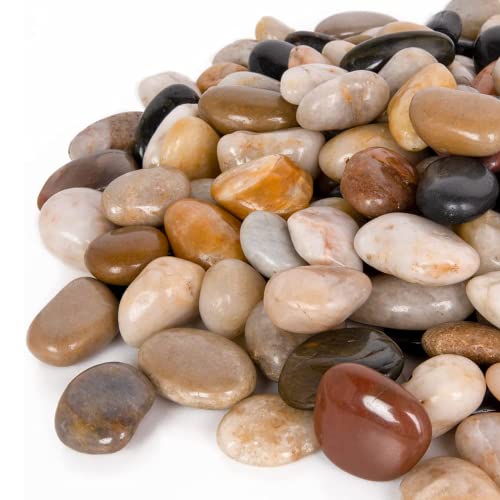
Best for: Indoor and outdoor décor including potted plants, planters, and small decorative features. These rocks offer a high-polish surface that adds shine to plant displays. A caution: size range varies around 1-1 3/4 inches, so plan for a mix of sizes if you want a varied look in large beds.
Mulctun 45LB Polished Black Pebbles
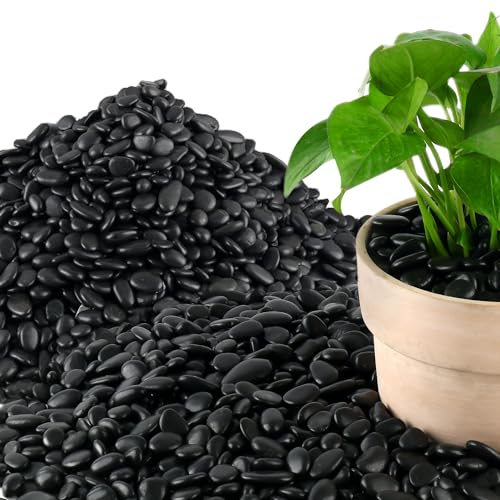
Best for: Top dressing for soil in pots and planters, adding immediate contrast with dark, polished surfaces. The stones are 1/4″ to 3/4″ and are polished with natural waxes to retain gloss. Limitation: Smaller size means more stones may be required for full coverage in larger pots.
Large River Rock – Gravel Company 2-3” River Rock

Best for: Drainage enhancement, erosion control, and prominent landscape borders. The 2-3 inch size provides strong mass for visible texture; the earth-tone palette of browns and tans blends with most plantings. Caution: With larger stones, ensuring proper placement for drainage may require careful planning to avoid gaps.
Buying Guide
What size do you need? River rocks range from fine pebbles to large stones. Choose smaller sizes for planters and edging, larger sizes for focal features, and mid-sized stones for pathways.
How will you use them? For drainage or erosion control, larger, heavier rocks work best. For decorative beds, mixed colors and finishes offer visual interest. For water features, smooth, non-toxic stones reduce risk of abrasion or staining.
What color and finish matter? Natural, non-polished stones look rustic and blend with greenery. Polished pebbles add shine but may require more maintenance to keep gloss. Consider dry versus wet color differences when planning layouts.
Are the stones safe for pets and plants? Most listed products are non-toxic and suitable for outdoor and indoor use. Check any coatings or waxes on polished stones to ensure compatibility with soil and aquatic life.
What coverage should you expect? Bags vary in size and weight. Estimate coverage by multiplying stone area per bag and adding a buffer for shape irregularities. Factor spacing for your design to avoid gaps or overcrowding.
Frequently Asked Questions
- What are river rocks best used for in landscaping?
River rocks provide natural texture, improve drainage, and reduce soil erosion in garden beds, pathways, and water features. - Are river rocks safe for fish tanks?
Yes, many river rocks listed are non-toxic and suitable for aquariums and reptile habitats when cleaned properly before use. - How do I maintain river rocks in pots?
Rinse stones to remove dust, and avoid using glossy coatings that can trap moisture. Replenish as needed to maintain coverage. - Should I choose polished or natural river rocks?
Choose natural rocks for a rustic look and easier maintenance; polished rocks add shine and a more formal appearance but may require more cleaning to stay lustrous. - Can river rocks prevent soil erosion?
Yes, especially larger rocks placed strategically in runoff areas help slow water flow and reduce splash and erosion. - Do river rocks color shift when wet?
Many stones appear more vibrant when wet; this can influence your design’s final appearance after rainfall or irrigation.