Answering the common question about turning hydrangeas blue and supporting acid-loving plants, these soil acidifiers lower soil pH to boost bloom color and plant health. The picks below are suited for azaleas, hydrangeas, rhododendrons, blueberries, camellias, strawberries, evergreens, and other acid-loving varieties. Each product is chosen for clear, actionable benefits and practical use in American gardens. Whether you garden in acidic soils or want to experiment with blue hydrangea blooms, these options provide reliable, organic-friendly ways to reach your goals.
Summary at a glance: the table below compares five top picks by material, typical use, and best-for guidance. Use this as a quick reference when deciding which product best fits your garden’s needs.
| Product | Key Use | Best For |
|---|---|---|
| Espoma Organic Soil Acidifier 6 Lb. | Organic sulfur and gypsum to lower pH | Acid-loving ornamentals and shrubs; turning hydrangeas blue |
| True Organic Soil Acidifier – 6lb | Lower soil pH for acid-loving plants | Hydrangeas and blueberries; soil acidification projects |
| Espoma Organic Soil Acidifier 30 lb Bag | Large-area application; lowers pH for many plants | Larger gardens or planters with multiple acid-loving species |
| Jobe’s Organics Granular Soil Acidifier 6 lbs | Organic, OMRI-listed acidifier granules | Organic gardeners seeking natural acidification |
| Bloom City Organic Soil Acidifier 32 oz | Organic-based soil support for acid-loving plants | Blueberry and hydrangea enthusiasts; smaller batches |
Espoma Organic Soil Acidifier 6 Lb.
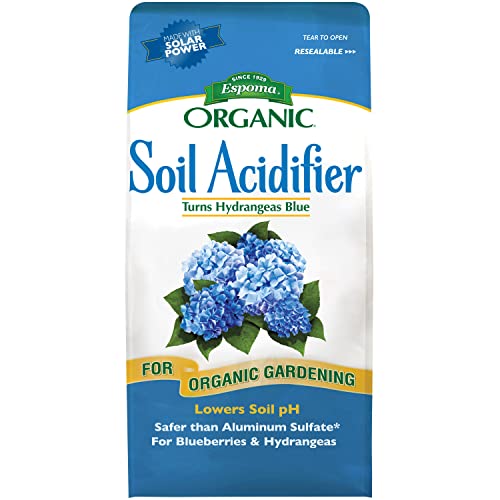
Best for mid-size beds and container plantings that need targeted pH lowering. This product uses elemental sulfur and gypsum to reduce soil pH, supporting a wide range of acid-loving plants. It is especially noted for hydrangeas, whose bloom color can shift when soil acidity changes. Use this option for established beds with azaleas, rhododendrons, camellias, and blueberries. A potential limitation is the need for careful dosing to avoid over-acidifying sensitive plants.
Who it’s best for: homeowners with a diverse collection of acid-lovers, especially those who want to influence hydrangea color without synthetic additives. Why chosen: reliable composition and proven track for turning hydrangeas blue with pH adjustment.
Caution: Monitor soil pH and plant response; significant pH shifts can affect nutrient availability and some ornamentals.
True Organic Soil Acidifier – 6lb

This product emphasizes pH reduction to create a favorable environment for acid-loving plants, including hydrangeas and rhododendrons. It’s a straightforward option for gardeners who want to cultivate deeper bloom colors and stronger foliage on acid-loving species. It is particularly suitable for those who prefer a simple, single-ingredient approach to soil acidification. A stated strength is its focus on improving conditions for acid-loving plants overall.
Who it’s best for: gardeners seeking a focused, uncomplicated acidifier to support hydrangea color and blueberry vitality. Why chosen: clear pH-lowering capability and compatibility with common acid-loving varieties.
Caution: As with all acidifiers, apply according to soil test results to avoid excessive acidity in the garden.
Espoma Organic Soil Acidifier Soil Amendment; 30 lb Bag

This larger bag is designed for bigger gardens or multiple acid-loving plants, enabling a more distributed pH-lowering approach over a broad area. It contains elemental sulfur and gypsum to reduce soil pH, with the added benefit of supporting organic gardening practices through its natural composition. Best for gardeners planning to work across several beds or containers at scale.
Who it’s best for: those maintaining extensive plots or vegetable-and-fruit gardens that include acidic-loving crops. Why chosen: quantity and consistent organic-suitable composition for multi-bed applications.
Caution: Ensure even distribution to prevent patches of over-acidified soil; consider interim soil testing after application to confirm pH targets are met.
Jobe’s Organics Granular Soil Acidifier 6 lbs

Designed for organic gardeners, this product emphasizes natural elemental sulfur and an OMRI listing for organic gardening. The granular format supports easy, even distribution with reduced risk of runoff or odor, which can be important for small spaces or raised beds. It’s a good choice for those who want to avoid synthetic inputs while achieving pH reduction. A limitation is that results may vary based on existing soil conditions and plant selections.
Who it’s best for: organic gardeners and hobbyists seeking a natural, OMRI-listed solution to acidify soil. Why chosen: clear organic credentials and a granular format that improves application control.
Caution: OMRI-listed does not guarantee certification; always verify local regulations if growing for specific markets.
Bloom City Organic Soil Acidifier – 32 oz
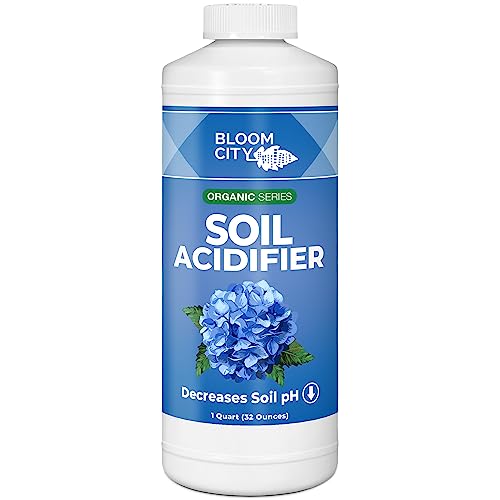
Bloom City’s option is designed for organic-based soil support and is sized for smaller batches, such as individual garden beds or containers. It targets blueberries, hydrangeas, and other acid-lovers by helping maintain soil conditions favorable to nutrient availability. This product is best for compact spaces where precise, smaller-scale acidification is needed. It’s a practical pick for hobby gardeners focusing on a handful of plants at a time.
Who it’s best for: gardeners with limited space or those who want a precise, smaller-volume acidifier. Why chosen: organic formulation and suitability for targeted plant groups like hydrangeas and blueberries.
Caution: Volume is smaller; plan for frequent reapplications as needed to maintain pH over time, depending on soil type and plant load.
Buying Guide
What to consider when choosing a soil acidifier
- Soil test results: Start with a soil test to determine current pH and nutrient balance. Choose an acidifier that targets your specific pH goal.
- Plant variety: Hydrangeas, azaleas, rhododendrons, blueberries, and camellias typically benefit from lower pH. Plan for the plants you grow most often.
- Form and handling: Granular versus pellet forms spread more evenly with different application tools. Consider your garden size and preferred method of distribution.
- Organic versus synthetic: Organic options (like elemental sulfur-based mixes) are common and suitable for a wide range of gardeners seeking natural approaches. Some formulations include gypsum to support soil structure.
- Maintenance cycle: Some products require seasonal reapplication. Plan a maintenance schedule based on soil reactivity and plant response.
How to apply for best results
- Follow label directions: Apply at the recommended rate and water in to start the pH change.
- Distribute evenly: Avoid heavy clumps to prevent localized over-acidification.
- Re-test soil: After a suitable period, re-test pH to confirm it’s moving toward the target range and adjust as needed.
- Combine with mulching and composting: Organic matter can help buffer pH changes and support microbial health during when acid is added.
What to avoid
- Aggressive pH shifts: Large, sudden changes can stress plants and lock out essential nutrients.
- Over-application near sensitive species: Some plants are more susceptible to pH swings; adjust rates accordingly.
- Assuming all plants require the same pH: Acid-loving plants have specific needs that differ from neutral or alkaline-loving species.
Best practices by scenario
- Small beds or containers: Bloom City 32 oz and Espoma 6 Lb are convenient; they provide controlled amounts for targeted areas.
- Large gardens: Espoma 30 lb bag or multiple bags of your chosen product offer scalable solutions for broader beds with many acid-loving plants.
- Organic-only gardens: Jobe’s Organics Granular Soil Acidifier fits the organic approach, with an emphasis on natural ingredients and OMRI listing.
FAQ
- Q: Will these products turn hydrangeas blue immediately?
A: Color change depends on soil pH and plant genetics; consistent pH reduction over time encourages blue tones in many mophead and lacecap hydrangeas. - Q: Do I need to test my soil before using an acidifier?
A: Yes. Soil testing helps set an accurate target pH and avoids over-acidification. - Q: How often should I reapply soil acidifier?
A: Frequency depends on soil type, plant load, and pH drift; reapply as guided by soil tests or visible plant responses. - Q: Can I use acidifier with fertilizer?
A: Yes, but space applications to avoid nutrient imbalances; follow label directions and test soil after applications. - Q: Are there safe, organic options for a beginner gardener?
A: Yes. Organic options like Jobe’s Organics and Espoma products are designed for organic gardening and provide clear application guidance. - Q: Can acidic soil harm my non-acid-loving plants?
A: Potentially, yes. If you have shrubs and perennials that prefer neutral or alkaline soils, apply acidifiers with care and monitor neighboring plants.