Answering the demand for low-maintenance, self-watering planters, these self-contained garden boxes are designed to conserve water, simplify setup, and reduce daily upkeep. They’re ideal for urban balconies, patios, or indoor herb corners. This guide highlights five top options suited for different spaces and plant goals, from compact balcony beds to larger outdoor beds with built-in reservoirs. The buyers below focus on self-watering features, sturdy construction, and ease of use to help you choose the best fit for you.
| Product | Self-Watering | Best For |
|---|---|---|
| The Home Cult Raised Garden Bed with Legs and Heavy Duty Wheels | Yes | Rough outdoor use, mobility, and deep root growth |
| Giantex Raised Garden Beds Outdoor Set of 2 | Yes | Two-bed setup, versatile growing space |
| Quictent Galvanized Raised Garden Bed Kit | Yes | Large, durable metal bed with water-mist system |
| Large Raised Planter Box Outdoor Self Watering 78.7″x15.7″x14.2″ | Yes | Deep, decorative outdoor planting with monitoring |
| YITAHOME Elevated Garden Bed With Wheels | Yes | Mobile, ergonomic gardening with water management |
The Home Cult Raised Garden Bed With Legs

The Home Cult self-watering bed uses a built-in reservoir to minimize surface evaporation, directing water to roots for deeper growth. It comes with a foldable stand for easy setup and relocation. Best for gardeners seeking portability and elevated height to reduce bending. A potential limitation is the learning curve of the self-watering system for first-time users.
Why this is selected
- Strong root development supported by targeted watering.
- Foldable stand reduces assembly steps and enhances portability.
- Water-efficient design claims up to significant water savings versus traditional beds.
Giantex Raised Garden Beds Set Of 2

This two-pack provides roomy growing space with a 7.7-gallon capacity per bed and a built-in self-watering feature, including a 1.1-gallon reservoir. It’s ideal for households needing multiple smaller beds for vegetables, herbs, or fruit crops. A minor caveat is the need to monitor reservoir levels to maintain optimal moisture.
Why this is selected
- Two identical beds simplify crop planning and crop rotation.
- Self-watering feature reduces daily watering labor.
- Easy assembly and durable construction for outdoor use.
Quictent Galvanized Raised Garden Bed Kit
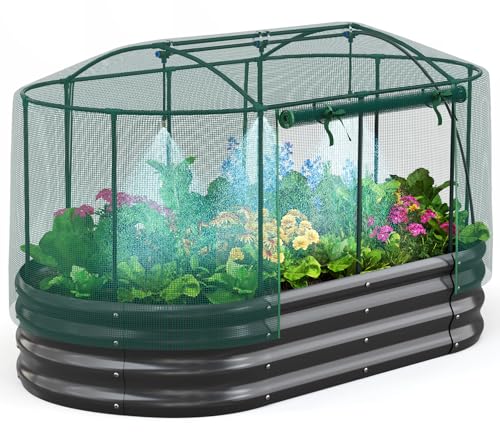
The Quictent kit combines a self-watering system with a durable galvanized exterior and a rounded edge design for safety. A water-misting irrigation option helps regulate soil moisture and can extend the watering interval in hot weather. Best for homeowners who want an aesthetically pleasing, weather-resistant bed with practical watering support. A caution is the more complex setup due to multiple features.
Why this is selected
- Self-watering system supports efficient moisture control.
- Galvanized metal provides long-lasting durability in outdoor spaces.
- Rounded edges reduce risk of injury and improve safety around children and pets.
Large Raised Planter Box Outdoor Self Watering

This elevated bed features two water-monitoring layers and a strong PP construction with a decorative rattan-style pattern. It’s well-suited for patios, balconies, or storefronts where appearance matters alongside practicality. The two-layer design helps gardeners monitor water and prevent root rot. Limitations include potential size constraints for very large plantings and the need to refill the reservoir periodically.
YITAHOME Elevated Garden Bed With Wheels

This tall, four-wheel bed emphasizes ergonomic gardening with a central water-monitoring divider and side drainage to control moisture. The resin material resists cracking and fading, making it a dependable choice in varied climates. It’s best for gardeners who prioritize mobility and comfortable working height. A note: ensure the wheels lock securely for stability on uneven surfaces.
Why this is selected
- 34-inch height reduces bending and back strain.
- Integrated water monitoring helps maintain consistent moisture.
- Wheels enable easy relocation for sun or shade changes.
Buying Guide
Key considerations when choosing a self-contained garden box:
- Watering system type: Look for integrated reservoirs, wicking systems, or irrigation kits. Reservoir size matters for plant load and climate conditions.
- Height and accessibility: Elevated beds reduce bending, while lower beds maximize capacity. Consider wheels for mobility if you move beds seasonally.
- Material and durability: Galvanized metal, heavy-duty plastics, or resin offer different levels of weather resistance and longevity.
- Root health and drainage: Self-watering systems should prevent root rot and allow excess water to escape. Check drainage holes and clear paths for runoff.
- Assembly and maintenance: Foldable stands and tool-free assembly save time. Ensure maintenance requirements fit your gardening routine.
- Space and layout: Measure intended planting area and plan for crop spacing, trellises, or cages if you grow climbing plants.
FAQ
What is a self-contained garden box?
A planter with an integrated water reservoir or wicking system that delivers water to plant roots while reducing evaporation and daily watering.
Which material lasts longest outdoors?
Galvanized metal and high-grade resin are among the most durable choices for outdoor beds in varied climates.
How tall should a raised bed be for comfortable gardening?
Bed heights of 30–34 inches are popular for minimizing bending, though taller beds provide easier access for some users.
Do self-watering beds require daily monitoring?
Not usually. A well-designed reservoir or wick system reduces daily watering needs, but periodic checks help prevent overwatering or reservoir depletion.
Are two beds better than one?
Yes, for crop diversification and crop-rotation planning. Two beds allow separate plant groups with tailored moisture and soil conditions.