Choosing the right compost toilet for an RV improves odor control, maintenance, and independence from dump stations. This guide highlights five reliable options, ranging from urine-diverting models to dry-flush systems, designed for vans, tiny homes, and boats. Each product is evaluated for ease of use, waste handling, and suitability for off-grid living.
| Product | Brand | Key Benefit |
|---|---|---|
| OGO™ Compost Toilet | OGO | Urine separation with no dump-station reliance |
| Compost Toilet Separett Villa Urine Diverting | Separett | High-capacity urine-diverting system |
| Cuddy Lite Portable Compost Toilet | Compo Closet | Compact, travel-ready, easy clean-up |
| Kohree 5.8 Gal Camping Toilet | Kohree | Large waste tank with level indicator |
| Laveo Dry Flush Toilet | Laveo | Waterless, self-contained, easy disposal |
OGO Compost Toilet — Odorless, Independent Waste Handling
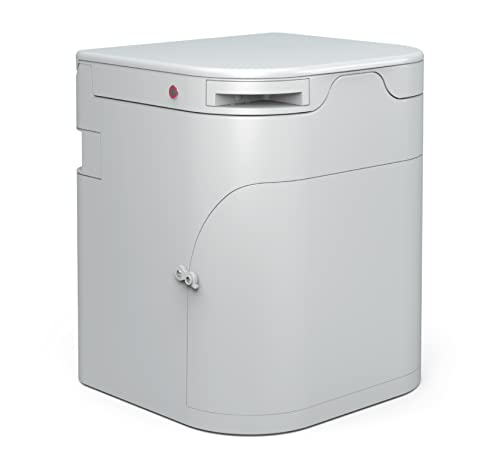
The OGO compost toilet blends urine separation with a robust build suitable for RVs, tiny houses, vans, and boats. Its odorless operation comes from a dedicated separation function that minimizes moisture-related smells, while avoiding chemicals and water helps you stay independent from dump stations. The unit is assembled in the USA and supports up to 550 pounds, emphasizing durability for mobile living. A removable solids bin and urine bottle simplify emptying and cleaning. The solids waste capacity covers approximately 25-30 uses, and the urine bottle holds about 2.4 gallons of liquid, making maintenance manageable between dumps.
Separett Villa Urine Diverting High Capacity

The Separett Villa is a urine-diverting compost toilet designed for off-grid use, emphasizing waterless operation and odor control. It suits off-grid RVs, tiny homes, and boats by separating liquids from solids, reducing maintenance, and eliminating the need for frequent emptying of a single tank. Its compact design pairs well with smaller living spaces, while the urine diversion helps minimize waste handling complexity. A reliable ventilation feature further reduces odors, contributing to a more comfortable bathroom experience.
Cuddy Lite Portable Compost Toilet
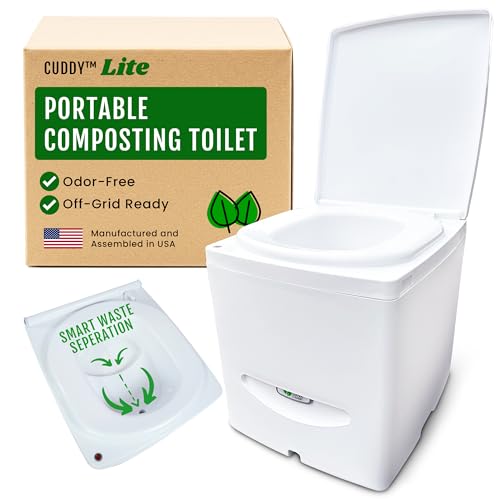
The Cuddy Lite from Compo Closet offers a compact, travel-ready design tailored for RVs, campervans, boats, and tiny houses. Its two-plate liquid-diverting system (XL Drop-Zone) separates liquids and solids to enhance hygiene and reduce splash risk. The unit fits tight spaces and can be installed flush or freestanding, providing flexible placement in mobile living setups. Maintenance is simplified by a removable solids bin that can be lined with bags, minimizing direct contact during disposal and cleanup.
Kohree 5.8 Gal Camping Toilet

Kohree’s portable camping toilet prioritizes space efficiency with an ergonomic diagonal bowl seat that mirrors home comfort, ideal for RVs and travel trailers with limited room. It features a generous 5.8-gallon waste tank and a 3.2-gallon freshwater reservoir, supporting multiple uses before emptying. A level indicator helps monitor waste and fresh-water levels. Constructed from high-density HDPE and PP, it promises durability with a weight capacity up to 440 pounds. Overall, Kohree emphasizes practical capacity and ease of use for active outdoor lifestyles.
Laveo Dry Flush Toilet

The Laveo Dry Flush is a self-contained, waterless toilet designed for ease of use in tiny homes, vans, boats, camping, and off-grid settings. It includes a battery and charger, along with cartridges and pee powder to extend cartridge life. The system is designed to minimize odor with a patented dry-flush mechanism that seals waste in airtight bags. With simple cartridge replacement and no need for water connections, Laveo is positioned as a user-friendly option for those prioritizing straightforward maintenance and odor control in mobile environments.
Buying Guide: Key Purchase Considerations
When selecting a compost toilet for an RV, consider how you plan to use the space, your water supply situation, and your willingness to manage waste disposal. Below are important factors to weigh from multiple viewpoints.
- Waste separation and odor control: Urine-diverting models generally reduce odor and simplify waste management, especially in limited spaces.
- Maintenance and ease of emptying: Removable bins, bags, or containers influence how often you handle waste. Consider bins that are easy to clean and seal.
- Capacity and usage patterns: Solids and liquid tank sizes determine how often you must empty them. Families or longer trips require larger capacities or more frequent disposal planning.
- Power and water requirements: Some units are entirely waterless or battery-powered, which matters for off-grid reliability and installation complexity.
- Space and installation: Compact footprints and flexible mounting options suit tight RV layouts, vans, or boats.
- Material durability: Look for models built with durable plastics or metal components that withstand mobile environments and temperature variations.
- Maintenance frequency: Pre-assembled kits, clear disposal protocols, and odor-control features can reduce upkeep time on the road.
- Cost of consumables: Some systems rely on bags, cartridges, or powders. Factor in ongoing costs alongside initial price.
- Ventilation and moisture management: Effective ventilation helps minimize odors in small bathrooms; consider whether you need an integrated fan or external venting.
- Environmental impact: Urine-diversion and composting features can lower water usage and simplify waste treatment, aligning with eco-friendly goals.
Each option above serves different priorities—from the independent, dump-station-free operation of urine-diverting units to easy, all-in-one dry-flush systems. Assess your travel cadence, living space, and disposal infrastructure to choose the best fit for your RV lifestyle.