Answering the question of how to maximize rose blooms, this guide highlights five reliable rose fertilizers and how each serves different grower needs. Whether you’re container gardening, bed planting, or managing potted roses, choosing the right formula matters for bloom density, color, and overall plant health. Below, compare products by feeding style, duration, and best use cases to help you select the best fit for your roses and garden setup.
| Product | Feeding Style | Best For | Notes |
|---|---|---|---|
| Scotts Rose & Bloom Continuous Release Plant Food | Slow-release granules | Roses, annuals, perennials needing steady feeding | Feeds up to 2 months |
| Miracle-Gro Shake ‘n Feed Rose & Bloom | Granular, slow-release | New and established roses for long-lasting blooms | Feeds up to 3 months |
| Burpee Organic Bloom Granular | Granular, OMRI-listed organic | Organic gardeners, containers and beds | Up to 3 months of feeding |
| BioAdvanced All-In-One Rose & Flower Care | Granules with insect and disease control | Roses needing both nutrition and protection | Includes pest and disease protection |
| Scotts Super Bloom Water Soluble Plant Food | Water-soluble, instant access | Immediate boost for blooming plants | Feed every 1-2 weeks |
Scotts Rose & Bloom Continuous Release Plant Food

Brand: Scotts
Features: Steady feeding boosts blooms on roses, annuals and perennials; Feeds up to 2 months; Promote beautiful blooms on roses and all flowering plants
Best for: Home gardeners seeking a simple, maintenance-free feeding cycle for established and new roses, plus other flowering plants. The continuous-release format minimizes the need for frequent applications.
Why selected: Its balanced formulation provides consistent nutrient delivery, supporting bloom production over a predictable period. It’s especially convenient for busy gardeners.
Limitation: Not optimized for immediate bloom flush; if you need an instant boost, consider a water-soluble option.
Miracle-Gro Shake ‘n Feed Rose & Bloom

Brand: Miracle-Gro
Features: Feeds up to 3 months; Nutrients for more blooms and color; Contains natural ingredients to support soil microbes (kelp, feather meal, bone meal, earthworm castings)
Best for: Gardeners seeking a long-lasting feed with soil-microbe support to encourage robust blooms and richer color in roses.
Limitation: Some users may prefer organic options for strictly organic gardens; verify your growing standards before use.
Burpee Organic Bloom Granular

Brand: Burpee
Features: NATURAL PLANT FOOD; OMRI-listed for organic use; Provides quick release and slow-release nutrients for up to 3 months; Supports container gardens, beds, and bushes
Best for: Organic gardeners wanting a quick nutrient boost with long-lasting feeding for roses and flowering plants.
Limitation: Organic formulations may feed more slowly to start compared with synthetic options; results can vary with soil conditions.
BioAdvanced All-In-One Rose & Flower Care

Brand: BioAdvanced
Features: PLANT FOOD to promote strong roots and blooms; INSECT KILLER to shield from adelgids, aphids, whiteflies; DISEASE CONTROL for Black Spot and Powdery Mildew
Best for: Gardeners who want a combined feeding and protective solution to support blooms and defend roses against common pests and diseases.
Limitation: Insect and disease protection is targeted; for heavy pest pressure, supplemental controls may be necessary.
Scotts Super Bloom Water Soluble Plant Food
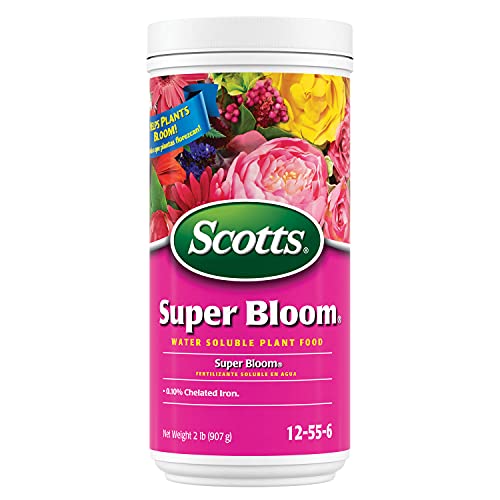
Brand: Scotts
Features: High phosphorus content to promote blooming; Feed every 1-2 weeks for best results; Water-soluble for instant uptake
Best for: Gardeners needing rapid bloom stimulation, especially when preparing for peak blooming periods or containers with limited soil depth.
Limitation: Requires more frequent feeding; longer intervals between applications may reduce bloom intensity.
Buying Guide
What to consider when choosing a rose fertilizer:
- Feeding duration: Choose slow-release formulas for less frequent applications or water-soluble options for quick uptake and frequent feeding windows.
- Organic vs. synthetic: Organic fertilizers support soil biology and sustainability; synthetics often provide faster, more predictable nutrient delivery.
- N-P-K balance: For roses, higher phosphorus levels (the middle number) often promote flowers; balance for healthy roots and foliage.
- Container vs. in-ground: Container plants may benefit from controlled-release formulas or specially formulated container blends.
- Pest and disease considerations: If Black Spot or aphids are concerns, products with integrated protection can simplify care.
How to apply and timeline guidance:
- Follow label directions for application rates and intervals to avoid over-fertilizing, which can damage roots and foliage.
- For roses, start feeding in early spring as new growth appears and continue through the growing season according to product schedule.
- Water adequately after application to help nutrients reach the root zone and prevent leaf burn.
Special scenarios to consider:
- Container gardens: Choose a balanced, slow-release fertilizer with a steady release that suits limited soil volume.
- Organic preference: Organic options can improve soil structure and microbial activity, supporting long-term bloom quality.
- High bloom demand: If you expect heavy flowering, pair feeding with appropriate pruning and sun exposure for best results.
FAQ
- Which rose fertilizer lasts the longest between feedings?
Slow-release granular formulas like Scotts Rose & Bloom often last up to two months, while some other products may extend to three months depending on application rate.
- Can I use regular plant food on roses?
Yes, but select products formulated for roses or flowering plants to ensure the right nutrient balance and avoid leaf burn.
- Is organic fertilizer better for roses?
Organic options support soil microbes and long-term health, but synthetics can provide faster nutrient delivery; choose based on gardening goals and regulations.
- Should I use a fertilizer with pest protection?
If pest pressure is a concern, consider products that combine nutrition with protection. However, plan an integrated approach including monitoring and other controls as needed.
- How often should I water after fertilizing roses?
Water thoroughly after applying fertilizer to move nutrients into the root zone and prevent concentration in the soil surface.