If you’re seeking organic, non-GMO alfalfa seeds for home sprouting, you’re aiming for purity, safety, and reliable germination. This guide compares top options to help you choose seeds that yield crisp, nutrient-rich sprouts with easy growing steps. Ideal buyers include health-minded cooks, urban gardeners, beginners, and anyone wanting quick, greens-rich additions to sandwiches and salads.
Comparison at a glance:
- NOW Foods Organic Alfalfa Seeds: US-grown, certified organic and non-GMO—great for beginners and regular sprouters.
- Nature Jims Sprouts Alfalfa Seeds: Non-GMO and simple to sprout with clear instructions—perfect for first-timers.
- HOME GROWN Alfalfa Sprout Seeds: USA-sourced, heirloom, high germination—best for long-term home growing.
- Sereniseed Organic Alfalfa Sprout Seeds: Oregon Tilth certified organic, non-GMO, with pathogen testing support.
- Seedboy Organic Alfalfa Sprouting Seeds: USDA Organic, high germination, versatile for sprouts or microgreens.
NOW Foods Organic Alfalfa Seeds For Sprouting
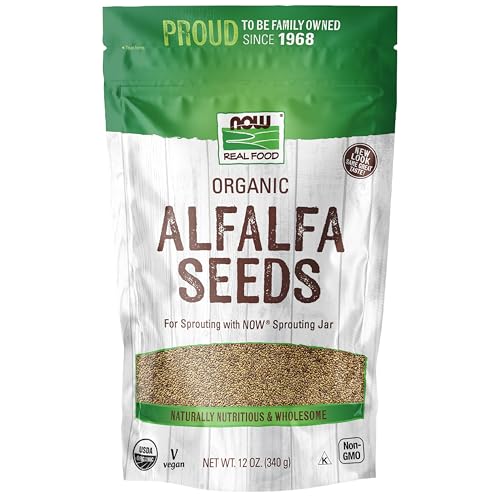
Best for: Regular sprouters who want a USA-grown, certified organic option. Why selected: NOW Foods seeds are processed specifically for home sprouting and carry a broad set of certifications (Organic, Non-GMO, Kosher, Vegan, Gluten-free, dairy-free, egg-free). Caution: Packaging may vary, which could affect resealability or labeling consistency.
Nature Jims Sprouts Alfalfa Seeds

Best for: Home gardeners seeking a non-GMO option with a straightforward sprouting process. Why selected: Non-GMO seeds with a simple, beginner-friendly sprouting process and a resealable bag for freshness. Limitation: Instructions are included, but results can vary with home conditions.
HOME GROWN Alfalfa Sprout Seeds 8 oz Bulk

Best for: Serious home growers who value American sourcing and heirloom traits. Why selected: USA-sourced, heirloom non-GMO seeds with high germination and strong flavor potential for sandwiches and salads. Caution: Bulk bag size may be larger than needed for casual sprouters, affecting storage efficiency.
Organic Alfalfa Sprout Seeds (16 oz) Sereniseed

Best for: Health-conscious buyers seeking certified organic and pathogen-tested seeds. Why selected: Oregon Tilth certified organic, non-GMO, tested for pathogens, and stored under climate-controlled conditions to support germination. Limitation: Open pollinated and organic status noted; always verify freshness before use.
Seedboy Organic Non-GMO Alfalfa Seeds

Best for: Sprout enthusiasts who want flexibility between sprouts and microgreens. Why selected: USDA Organic, high germination, and clear guidance that supports both jar sprouts and tray microgreens. Caution: Product data emphasizes general quality; users should follow provided soaking and rinsing routines for best results.
Buying Guide
- Germination and purity: Look for non-GMO and organic certifications. Seeds labeled Organic or certified by Oregon Tilth offer a level of third-party assurance for purity and farming practices.
- Source and freshness: USA-grown seeds often ensure shorter supply chains and fresher germination. Check packaging for harvest date or best-by guidance when available.
- Seed form and packaging: Resealable bags help maintain moisture control, especially for larger 8 oz or 16 oz lots. Consider your storage space and planned sprout volume.
- Storage conditions: Temperature and humidity influence germination. Some suppliers note climate-controlled storage to preserve seed viability.
- Usage goals: If you want solely sprouts, choose seeds marketed specifically for sprouting. If you also want microgreens, seeds labeled for microgreens may perform better in longer harvest cycles.
- Safety considerations: If you follow strict dietary restrictions, verify certifications (Non-GMO, vegan, gluten-free, dairy-free, etc.) and ensure no additives or fillers.
Frequently Asked Questions
- What makes alfalfa seeds non-GMO suitable for sprouting?
They are cultivated without genetic modification, reducing concerns about unwanted traits and enabling simple sprouting at home. - How long do alfalfa sprouts take to grow?
Most alfalfa sprouts are ready in about 3–5 days, depending on temperature, light, and moisture. - Are there risks with home sprouting?
Proper rinsing and sanitation reduce contamination risk; follow recommended soaking and rinsing schedules. - Which seed is best for beginners?
Seeds marketed for sprouting with clear instructions, such as NOW Foods or Nature Jims, are usually easiest for beginners. - Can I use alfalfa seeds for microgreens?
Yes, many alfalfa seeds can be grown as microgreens when planted thicker and harvested earlier, though results may vary by brand.
| Product | Best For | Notes |
|---|---|---|
| NOW Foods Organic Alfalfa Seeds For Sprouting | Regular sprouters | USA-grown, certified organic, broad certifications |
| Nature Jims Sprouts Alfalfa Seeds | Beginner sprouters | Non-GMO, simple sprouting process |
| HOME GROWN Alfalfa Sprout Seeds | Long-term home growing | USA-sourced, heirloom, high germination |
| Sereniseed Organic Alfalfa Sprout Seeds | Organic and safety-conscious | Oregon Tilth certified, pathogen tested |
| Seedboy Organic Alfalfa Sprouting Seeds | Sprouts or microgreens | USDA Organic, versatile use |