Responding to buyers seeking blooming shade-friendly flowers, this guide highlights five Amazon options that perform well in moody or dappled light. Each pick is noted for shade tolerance, ease of care, and ongoing bloom potential. Ideal buyers include busy gardeners with tree canopies, shaded borders, or containers that receive limited direct sun. A quick comparison table follows the intro to help you decide at a glance.
| Product | Shade Suitability | Best For | Key Benefit |
|---|---|---|---|
| Astilbe Seeds Mix by Mixrug | Excellent in moist shade | Moist, deer-resistant borders | Vibrant, pollinator-friendly blooms |
| Columbine Flower Seeds by BuggyBeds | Shade-tolerant | Woodland gardens and containers | Delicate, bell-shaped blooms |
| Primula Seeds by BuggyBeds | Shade-tolerant | Borders and containers | Early-spring vibrant color |
| Sow Right Seeds Wildflowers Mix | Partial shade | Pollinator habitat in mixed borders | Colorful mix with both perennials and annuals |
| Hosta Seeds by BuggyBeds | Perfect for shade | Ground cover and containers | Foliage texture with blooms |
Astilbe Seeds Mix by Mixrug

This seed mix promises vibrant pink, red, cream, and white blooms with dark green foliage. It’s described as deer-unpalatable and low maintenance, making it a practical choice for light-moist, shaded areas where wildlife damage is a concern. The perennity claim targets zones 4-8, suggesting you can expect repeated bloom cycles in suitable climates. The product is best for gardeners who want a bold color display in moist shade without high upkeep.
Best for gardeners who want a garden border that stays lively year after year in shady, wet spots. Choose this if you need a practical, deer-resistant option with minimal care that still delivers consistent vertical growth and seasonal color. A note: success relies on keeping seeds evenly moist during germination and on selecting a location with consistent shade and moisture.
Who this is for: homeowners with woodland shade, moisture-rich beds, or borders where full sun is rare. Why selected: strong shade tolerance, perennial growth in the stated zones, and a vibrant pollinator-friendly palette. Caution: germination and final bloom depend on consistent moisture and cool-season sowing; dry spells can reduce germination rates.
Columbine Flower Seeds by BuggyBeds

These columbine seeds are marketed as shade-tolerant and cold-hardy perennials, with a result of delicate bell-shaped blooms that attract hummingbirds. The plant is described as wildlife-friendly, adding pollinator value to shade gardens that often struggle to sustain insect visits. Best for woodland beds, containers, and understory borders that need a touch of airy color in spring and early summer.
Best for: gardeners seeking resilient shade-friendly perennials that also support local pollinators. Why selected: versatile tolerance to shade and cold, plus ornamental bell-shaped flowers that provide recurring interest in cooler months. Caution: performance may vary with overly dry or extremely hot microclimates; ensure consistent moisture in shade beds.
Who this is for: homeowners building a shaded pollinator corner or container display. Why chosen: combines shade tolerance with wildlife benefits and year-to-year growth. Caution: verify your climate’s cold-hardiness zone aligns with your local conditions for best results.
Primula Seeds 200PCS by BuggyBeds

Primula seeds offer early-spring blooms perfect for borders, containers, and rock gardens. The packaging highlights shade tolerance and vibrant colors, supporting a prolonged spring display. This option is well-suited for gardeners who want a reliable, early color boost in shade-dominated areas and easy-to-grow care, with a period of continuous bloom across spring months.
Best for: adding cheerful early-season color in shady borders or container plantings. Why selected: seed count is high for economical planting, and the plants are well-suited for shade. Caution: germination success hinges on soil temperature and moisture; provide consistent moisture for seedlings in cool soil conditions.
Who this is for: beginners seeking an easy starter plant that performs well in partial shade. Why chosen: bold color display and compatibility with mixed shade plantings. Caution: growth can be slowed in overly dry shade or soils lacking organic matter.
Sow Right Seeds Wildflowers Mix for Partial Shade
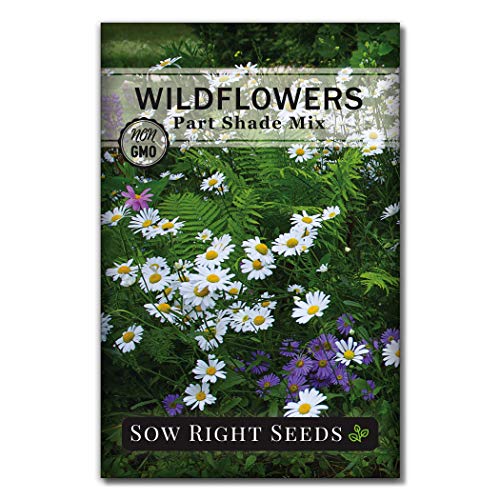
This seed mix targets partial shade gardens and includes both perennials and annuals that tolerate shade, with a long-season bloom potential to attract pollinators. The description emphasizes a broad range of species and colors, creating a versatile bed or container display. It’s positioned for gardeners who want a naturalized, wildflower look under trees or in lightly shaded borders.
Best for: creating a pollinator-friendly patch in partial shade. Why selected: wide variety of species increases the chance of bloom across seasons, while still performing in less-than-sunny spots. Caution: not ideal for densely shaded areas or spots with consistently heavy shade; sun exposure improves certain varieties’ performance.
210+ Hosta Seeds by BuggyBeds

Hosta seeds are positioned for shade gardens, with a focus on ornamental foliage and reliable growth in low-light spaces. The listing emphasizes versatility for ground cover, borders, and containers, making hostas a practical choice for filling shaded areas with texture and occasional bloom. They’re best counted as both foliage interest and spring-summer blossoms, depending on cultivar.
Best for: shade-dominated spaces needing durable ground cover with seasonal flowers. Why selected: proven performance in low-light areas, plus flexibility for various planting setups. Caution: hostas and their seeds can take longer to establish; consistent moisture and patience are important during early growth.
Buying Guide: Key Considerations For Shade-Blooming Plants
- Shade tolerance vs. sun exposure: Define the amount of indirect or dappled light your space receives daily. Some plants tolerate “partial shade” better than others tolerate “full shade.”
- Moisture needs: Many shade-loving plants prefer consistent moisture. Consider soil drainage and irrigation options to prevent root rot in moist areas.
- Perennial vs. annual strategy: If you want long-term borders, prioritize perennials like Astilbe, Columbine, Primula, and Hostas. Annuals can fill gaps but require yearly replanting.
- Soil preparation: Enrich with organic matter to improve moisture retention and nutrient availability for shade-loving perennials and bulbs alike.
- Bloom timing: For a continuous display, mix early bloomers (Primula) with mid-season growers (Astilbe) and later bloomers (Hostas with variegated foliage and occasional flowers).
- Wildlife considerations: If deer resistance or pollinator support matters, note each plant’s tendency to attract bees, butterflies, or hummingbirds.
Frequently Asked Questions
- What flowers grow well in full shade? Some strong options include hostas, astilbes, and heucheras, which provide foliage and occasional blooms in very low light.
- Are seeds a good option for shade plants? Seeds can work well for initial color in shade beds, but many shade favorites are perennials propagated by division or starter plants for faster, more reliable blooms.
- Which plants are deer-resistant in shade? Astilbe is commonly cited as deer-unpalatable, helping protect shade borders from wildlife damage in some regions.
- Can I mix these seeds in a single bed? Yes, but stagger planting times and ensure each species has compatible moisture and soil needs to avoid competition and ensure even germination.
- How long before I see blooms after sowing seeds? Perennials like Primula and Columbine may take a season or two to establish and bloom, while some annuals in the mix may show color sooner in favorable conditions.
- What maintenance is required for shade gardens? Regular mulching, consistent watering, and occasional feeding with a balanced fertilizer support robust growth and longer bloom cycles in shade.
In sum, these five products provide shade-tolerant bloom options suited for woodland borders, containers in shady corners, and moisture-rich beds. Their diverse bloom times and growth habits help create layered color and wildlife-friendly spaces without demanding extensive sun exposure.