Looking for enduring, low-maintenance grasses that thrive in full sun? This guide highlights five perennial grasses that perform well in sunny Western and Midwestern gardens, with clear reasons who they suit best. Each entry notes ideal conditions, benefits, and a practical caveat to help you choose confidently. The included quick-reference table summarizes key points for fast comparison.
| Product | Best For | Key Benefit | Limitation |
|---|---|---|---|
| Blue Fescue | Low-water, sunny or shady spots | Compact, drought-tolerant foliage | Smaller height may require edging |
| Karl Foerster Feather Reed | Bold vertical statements | Tall, elegant plumes and arching clump | Needs full sun, soil moisture |
| Purple Love Grass | Native-style gardens, drought zones | Airy blooms, cloud-like texture | Plant height varies with environment |
| White Fountain Grass | Borders and containers | Soft white plumes, graceful movement | Requires regular pruning in some climates |
| Purple Fountain Grass | Colorful focal points | Compact, drought-tolerant, versatile | May need winter protection in cold zones |
Blue Fescue Ornamental Grass — CHERYL’S UNIQUE FLOWER SEEDS
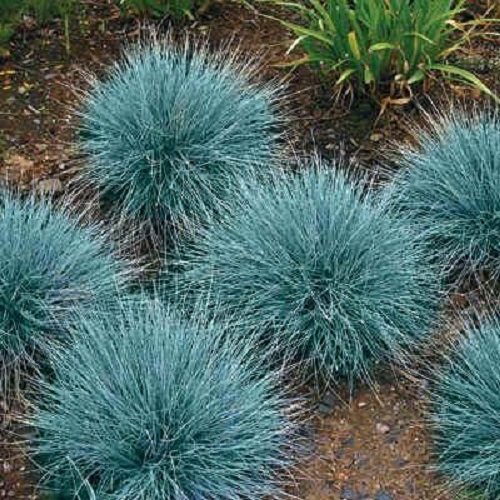
Features: Easy to grow perennial, drought tolerant in full sun or full shade, strong robust plants, grows 10-12 inches tall. Best for small beds, rock gardens, or edging where compact habit and foliage color provide year-round texture. Ideal for buyers seeking a versatile plant that tolerates drought and variable light conditions. Limitations: compact size means it may not provide tall vertical drama in larger landscapes.
Best for: Gardeners wanting a durable, low-maintenance accent that thrives in sun or shade and remains tidy in small spaces.
Karl Foerster Feather Reed Grass — Perennial Ornamental Grass

Features: Hardy in USDA zones 4-9. Full sun or some shade; tall, slender upright flower spikes rise above the foliage, often reaching 4–5 feet. Recognized as a stand-out perennial grass with long-lasting texture and seasonal interest. Best for tall borders, back-of-border accents, or dramatic focal plantings. Caution: local shipping restrictions may apply in some regions; ensure your area is compatible before purchasing.
Best for: Gardeners seeking a classic, tall ornamental grass with dependable form and showy late-spring to summer plumes.
Purple Love Grass — Eragrostis Spectabilis

Features: Airy pink-purple blooms create a cloud-like display in late summer and early fall. Native and pollinator-friendly, supporting beneficial insects. Drought-tolerant and thrives in full sun with well-drained soil, making it ideal for low-water landscapes. Best for naturalized meadows, native gardens, and cottage-style borders. Limitation: flowering depends on climate; may be less showy in overly wet soils.
Best for: Native-garden designs and pollinator habitats that benefit from delicate color and texture without high water needs.
Karl Foerster Feather Reed Grass Plug — CZ Grain

Features: Tall upright growth forming 3–5 ft mature height, ideal for vertical garden accents and borders. Showy feathery plumes emerge in early summer and mature to golden tones for extended seasonal interest. Hardy in USDA zones 4–9; drought-tolerant once established and easy to care for. Best for: Creating architectural lines in the garden and pairing with other perennials for contrast. Limitation: may require staking in very windy locations to maintain an upright form.
Purple Love Grass Plug — CZ Grain
Features: Airy pink-purple blooms yielding a cloud-like display in late summer and early fall. Native and pollinator-friendly, supporting beneficial insects. Drought-tolerant and thrives in full sun with well-drained soil. Best for low-water landscapes, native plantings, and calming garden textures. Limitation: color intensity can vary with soil moisture and heat.
2 Ornamental Grass Plants — White Fountain Grass

Features: White Fountain Grasses reach 2–3 feet in height with soft white plumes blooming late summer to early fall. Ideal for edging, borders, or containers where movement and light-colored plumes brighten sunny spaces. Best for smaller front-yard foundations or courtyard plantings. Caution: some climates require annual pruning to maintain tidy form.
2 Purple Fountain Grass Live Plants

Features: Drought-tolerant and low maintenance, compact and versatile. Ideal for borders, flower beds, mass plantings, or containers. Best for adding color and texture where space is limited. Limitation: in very cold zones, may require winter protection or relocation indoors.
2 Grass Ornamental Grasses Seedlings — Pink Pampas

Features: Two grass ornamental grass seedlings, 5-9 inches tall, hardy for gardening from zone 4 to 9. Pink pampas-style plumes add soft color and height to borders or mixed perennial beds. Best for gardeners seeking a petite starter that can fill in gaps early in the season. Caution: starter plugs may require careful acclimation before transplanting in hotter climates.
Buying Guide: Key Considerations For Choosing Sun-Tolerant Perennial Grasses
- Light and site conditions: Match grass height and plume color to sun exposure, soil moisture, and space. Tall grasses are ideal for back borders; compact forms work for front borders and containers.
- Water needs and drought tolerance: If you’re in a drought-prone area, prioritize species labeled drought tolerant like Karl Foerster and Eragrostis spectabilis.
- Soil and drainage: Most sun-loving grasses prefer well-drained soil. Some tolerate clay or amendments better than others.
- Maintenance expectations: Consider pruning, dividing cycles, and fertilization when selecting varieties. Some grasses are low maintenance, while others require periodic grooming.
- Flower and foliage appeal: Decide if you want bold plumes, airy blooms, or evergreen blade color to suit your design goals.
- Climate zones: Check USDA hardiness compatibility (zones 4–9 cover most of the U.S.). Some varieties may have shipping restrictions in certain regions.
Frequently Asked Questions
- What is the best grass for sun and low water?
Feather reed grasses (Karl Foerster) and Eragrostis spectabilis (Purple Love Grass) are commonly cited as reliable drought-tolerant choices for sunny beds.
- Do perennial grasses come back every year?
Yes. Most clump-forming ornamental grasses are perennials that re-emerge each growing season with proper care.
- Which grasses are suitable for containers?
Compact varieties like Blue Fescue and smaller fountain grasses work well in containers due to their growth habit and maintenance needs.
- When should I prune ornamental grasses?
Pruning timing varies by species, but many grasses benefit from cutting back dead foliage in late winter or early spring before new growth appears.
- Are ornamental grasses invasive?
Most garden varieties are non-invasive, but it’s wise to monitor any ornamental grass in your area to ensure it does not spread beyond intended borders.