Answer: For a lawn-ready season, focus on balanced nutrients, disease prevention, and iron or micronutrient boosters as needed. The top picks below cater to general green-up, disease control, and nutrient balance for common American lawns. This guide helps buyers decide who each product is best for and why.
Summary table of selected products:
| Product | Best For | Form | Notes |
|---|---|---|---|
| Advanced 16-4-8 Balanced NPK Lawn Food | Lawn greening and growth (any grass type) | Liquid spray | Contains seaweed & fish; ready-to-use sprayer |
| Scotts DiseaseEx Lawn Fungicide | Preventing and treating common lawn diseases | Granular fungicide | Controls 26 diseases; fast action |
| Maximum Green & Growth Fertilizer 28-0-0 | Rapid green-up and vigorous growth | Liquid with attached sprayer | 70% quick-release, 30% slow-release nitrogen |
| True Organic Liquid Lawn Food with 1% Iron | Rapid greening; soil and seed support | Liquid with hose-end sprayer | Organic blend; iron for quick color |
| Ultimate 3-18-18 NPK Lawn Food | Phosphorus and potassium boost for roots | Liquid concentrate | High P and K; strong root development |
Advanced 16-4-8 Balanced NPK Lawn Food

Best for: Homeowners seeking a simple, ready-to-use liquid fertilizer for general greening across any grass type. This 16-4-8 blend delivers nitrogen, phosphorus, and potassium with seaweed and fish additives for turf vitality. The attached sprayer makes application straightforward and even.
- Pros: Easy to use; supports green growth; compatible with various grasses.
- Cons/Limitations: Liquid formula may require frequent applications during peak growth.
Scotts DiseaseEx Lawn Fungicide
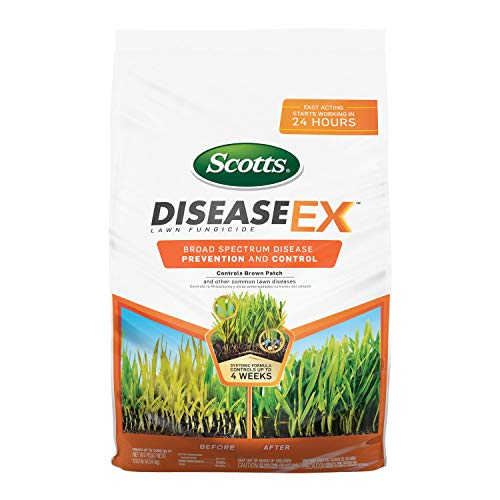
Best for: Lawns needing proactive disease protection and symptom control, especially in humid or shady areas. DiseaseEx targets 26 listed diseases and starts working within 24 hours for protection that lasts several weeks when used as directed.
- Pros: Broad disease coverage; quick action; safe for all grass types when used as directed.
- Cons/Limitations: Not a fertilizer—use in combination with a fertilizer program if nutrient needs exist.
Maximum Green & Growth Fertilizer 28-0-0
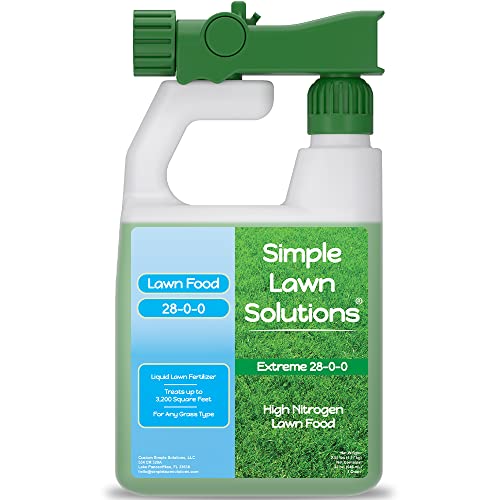
Best for: Lawns needing rapid nitrogen-driven color and dense growth. The attached sprayer ensures you apply the right ratio, and the formula delivers 28% nitrogen for quick color plus slow-release for steady nourishment.
- Pros: Quick green-up; balanced nitrogen release; covers up to large areas with sprayer.
- Cons/Limitations: High nitrogen content may require careful timing to avoid over-fertilization.
True Organic Liquid Lawn Food With 1% Iron

Best for: Gardeners seeking an organic approach with rapid greening and strong root support. The 1% iron aids immediate color and helps establish new or stressed turf.
- Pros: Organic blend; iron-focused color boost; good for seedling lawns.
- Cons/Limitations: Organic formulations may have longer conditioning times in some soils.
Ultimate 3-18-18 NPK Lawn Food
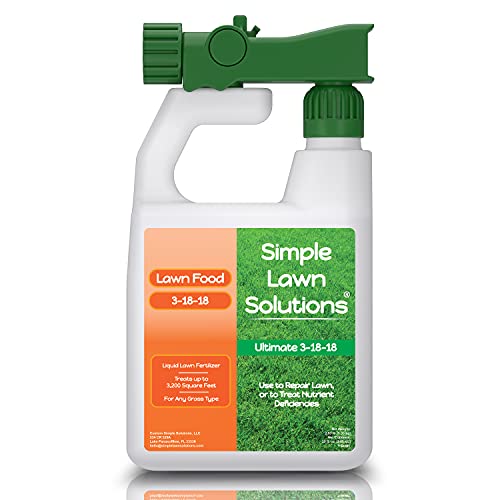
Best for: Lawns needing a phosphorus and potassium boost to support root vigor and overall lawn hardiness. This high P and K formula complements rapid green-up with robust root systems.
- Pros: Strong root development; supports turf resilience; designed for summer and fall.
- Cons/Limitations: Less nitrogen may mean slower immediate greening compared to high-N formulas.
Buying Guide
What type of lawn goals do you have?
Choose a product based on your primary goal: quick green color (high nitrogen), disease prevention (fungicide), root vigor (high phosphorus or potassium), or organic options for soil health. In many cases, a combination program works best—one product for growth and color, and a separate fungicide when disease pressure is likely.
What lawn type and climate should you consider?
Most products are suitable for common U.S. grasses, but some formulations suit warm-season grasses better. Humidity, shade, and heat influence disease risk and nutrient needs. For shade or humid climates, disease prevention and balanced nutrition are especially important.
How important is easy application?
Liquid products with an attached sprayer or ready-to-use sprayers simplify even coverage. If you prefer granular products, consider scheduling timing to ensure even distribution and reduced run-off.
Are organic options a priority?
Organic blends focus on soil health and slow, steady green-up. They may require more time to show color compared with synthetic nitrogen but can be better for long-term soil biology and wear tolerance.
What safety and usage considerations apply?
Read label instructions for application rates, compatible grass types, and safe re-entry intervals. Avoid applying close to drought stress or extreme heat, and ensure irrigation practices align with the product’s guidelines to maximize uptake.
How do you plan a seasonal schedule?
For most lawns, start with a nutrient-rich growth boost in spring, transition to maintenance in summer, and switch to root- and resilience-focused formulas in late summer or fall. Pair disease prevention during high-risk periods with a balanced nutrient plan for healthy turf year-round.
Summary of key considerations
- Balance nitrogen, phosphorus, and potassium to match growth vs. root needs.
- Consider iron or micronutrient boosters for color and stress resistance.
- Factor climate, lawn type, and disease risk into product choice.
- Prefer ready-to-use applications for simplicity, or plan spray times for granular formats.
FAQ
- What fertilizer should I use for a fast green-up? A nitrogen-rich liquid fertilizer with quick-release nitrogen typically produces faster greening, such as a 28-0-0 formulation with an attached sprayer.
- Do I need a fungicide for my lawn every season? Not every season. Use disease prevention when you have a history of fungal issues or humid conditions, and apply only as directed.
- Are organic lawn products as effective as synthetic ones? Organic blends support soil health and long-term vigor, but may require more time to show color and often need more frequent applications.
- Can I use multiple products together? Some products can be used in combination, but follow label guidance to avoid over-application or chemical interactions. Separate feeding and disease-control products if needed.
- How often should I water after applying fertilizer? Water as directed on the label, typically to help the product reach the root zone without oversaturating the soil.
- Is iron good for all lawns? Iron helps achieve a deeper green color and can benefit iron-deficient soils; avoid over-application to prevent staining or runoff.