Looking for the best green bags for lettuce and other produce? This guide compares top reusable options designed to keep greens crisp, reduce wilt, and cut down on plastic use. It helps buyers choose bags that suit lettuce care, fruit storage, and flower freshness, with practical notes on durability, breathability, and eco-friendly design. Ideal buyers include eco-conscious households, meal-prep families, and small-batch flower sellers seeking reliable, reusable storage.
| Product | Best For | Key Benefit | Material |
|---|---|---|---|
| Green Fresh Bags (40 Pack) by Ideamake | General produce and flowers | Breathable, versatile storage for fruits, veggies, and bouquet protection | Unknown composite with breathable design |
| Lettuce Keeper (3-Layer) by VIKROM | Lettuce and leafy greens | Foil lining, drawstring closure for moisture control | Food-grade nylon |
| Salad Saver by Regency Wraps | Lettuce, greens, and bulk produce | Cotton, reusable, practical fridge storage | 100% cotton |
| YiFengain Green Fresh Bags (20 Pack) | Produce for home use | Strong preservation, reusable over multiple cycles | Food-grade materials |
| YiFengain Green Fresh Bags (40 Pack) | Bulk storage and longer freshness | Enhanced moisture and freshness retention | Food-grade materials |
Reusable Produce Bags To Keep Fruit Fresh Longer — 40 Pack
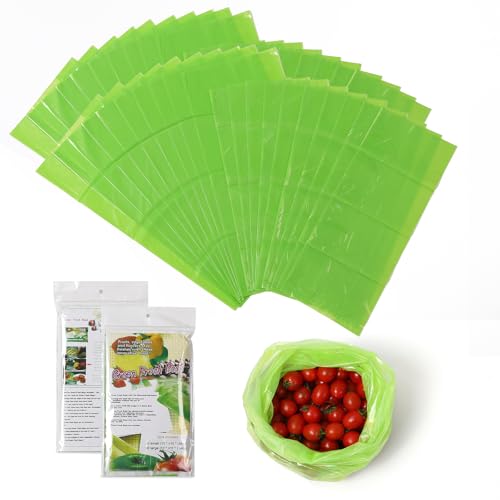
Best for: households needing a large, cost-efficient set of bags for both vegetables and fruit. These bags come in two sizes (20 small and 20 large) and are designed to handle a wide range of produce, including lettuce and leafy greens. The astronauts’ trusted packaging suggests strong storage performance for daily use. This option is ideal for families that separate greens, fruits, and cut flowers in a busy fridge or for small-scale flower arrangements needing protective bags.
Key points: The bags employ a breathable, moisture-sensitive design to support freshness. They are claimed to work with a broad list of produce, from asparagus and lettuce to berries and citrus. Best for buyers who want a versatile, all-purpose storage solution and value a large-count pack for everyday use. A potential limitation is that exact material composition isn’t specified in the listing, so check for any allergen or care notes before heavy use with delicate produce.
Lettuce Keeper For Refrigerator — 3-Layer Reusable Bags
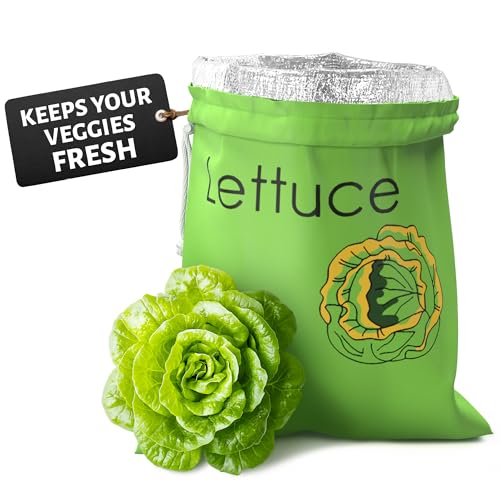
Best for: households specifically targeting head lettuce and leafy greens with a dedicated bag system. This bag uses a foil lining and a drawstring closure to reduce air exchange and slow spoilage, helping leaves stay crisp longer. The size (approximately 13.77 x 11 inches) is well-suited for a whole head of lettuce or a bundle of greens. A caveat: nylon-based fabric is durable, but may not offer airtight sealing like silicone-based bags, so expect excellent freshness with careful storage rather than a completely vacuum-sealed effect.
Regency Wraps Salad Saver — 100% Cotton Produce Bag

Best for: eco-focused buyers who prefer a natural cotton solution. This bag emphasizes sustainability, helping keep greens and produce fresh while replacing disposable plastics. It is large enough for whole heads of lettuce and other bulky greens, and it suits frugal shoppers seeking long-term reuse. Limitation: cotton bags may require more frequent washing and drying; they can take longer to dry after cleaning compared to nylon or other materials.
YiFengain Green Fresh Bags — 20 Pack

Best for: buyers who want strong preservation in a compact, reusable bag. These BPA-free bags emphasize moisture retention and durable, reusable performance for multiple uses. They suit households that routinely wash and reuse bags, helping minimize waste. A possible limitation is that some users may prefer larger bag sizes for bulk greens or bulk fruit storage depending on their refrigerator layout.
YiFengain Green Fresh Bags — 40 Pack

Best for: households needing higher capacity and longer-term storage with consistent performance. The 40-pack increases options for separating greens, fruits, and other produce without reordering. The bags are designed to maintain moisture and freshness for longer periods, making them suitable for weekly meal prep and batch storage. Limitation: as with any multi-pack, individual bag performance may vary, so it’s worth testing with your most sensitive produce first.
Banana & Lettuce Fresh Reusable Produce Bags
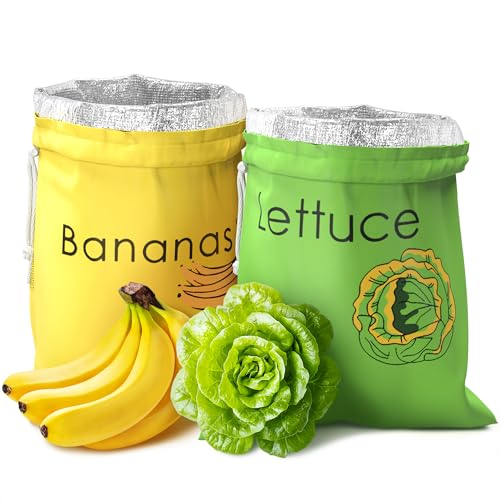
Best for: those who want durable, breathable bags for both bananas and lettuce. The design emphasizes airflow to prevent moisture buildup, which is crucial for leafy greens and fruit-held in the same fridge space. It offers practical organization and a lightweight form. Caution: while breathable, the bags may not provide airtight sealing for extremely moisture-sensitive produce; plan for quick turnover of highly perishable items.
VEJIBAG Large — Organic Cotton Crisper Bags

Best for: buyers who want a premium, US-made organic cotton option that keeps vegetables crisp longer without plastic. These large crisper bags create a humid environment that supports leaf longevity and prevents wilting. They are particularly suitable for households prioritizing sustainability and local production. Limitation: cotton bags may require careful drying after washing to prevent mildew, and they may be bulkier than nylon options.
VEJIBAG Extra Large — Organic Cotton Crisper Bags

Best for: households needing even more space for large heads of lettuce or sizeable vegetable portions. The extra-large size suits big produce batches and bulk greens storage. It shares the same organic cotton, US-made philosophy as the standard version, offering extended freshness without plastic. Caution: larger bags may require more space inside the refrigerator and more thorough drying after washing to prevent dampness.
Buying Guide: Key Factors To Consider
Choosing the right green bags for lettuce and other produce depends on several practical factors. Here are the main questions buyers ask and the evidence-based guidance to answer them.
- What material fits my needs? Consider nylon for durability and moisture control, cotton for eco-friendliness and breathability, and hybrids that aim to balance both. Nylon-based bags typically dry faster and are easier to clean; cotton bags are reusable, biodegradable, and may require more drying time after washing.
- Is a foil or lining important? Foil lining or moisture-retaining features help leafy greens stay crisp longer, especially in the fridge. Bags with built-in lining are often best for lettuce and spinach.
- How many bags do I need? If you store multiple produce types, a large, mixed-pack setup (like 20 small + 20 large) provides versatility. For small households, a few cotton or nylon bags may suffice.
- Are these bags BPA-free or food-safe? Look for BPA-free, food-grade materials to ensure safety for fresh produce and cut flowers.
- Can these bags be washed and reused? Reusability reduces waste and saves money over time. Material and care instructions vary; cotton bags may need line-drying, while nylon can be machine-washed in many cases.
- What about flowers? Some bags are suitable for flowers or flower bouquets, offering a protective wrap to keep stems fresh between arrangements.
FAQ
- Q: Will these bags keep lettuce crisper than plastic? A: Yes, bags designed with breathable materials and moisture management can help lettuce stay crisp longer than standard plastic bags in many cases.
- Q: Are cotton bags safe for all produce? A: Cotton bags are generally safe and eco-friendly, suitable for greens and many fruits, but they may not be as moisture-tight as lined nylon bags for extremely delicate items.
- Q: How often should I wash these bags? A: Wash after several uses or when bags show soil or residue. Cotton bags may air dry; nylon bags can be machine washed, depending on care labels.
- Q: Can I store cut flowers in these bags? A: Some bags are marketed for flower storage and can help keep stems hydrated when used to cover bouquets or individual stems, though performance varies by bag.
- Q: Do these bags help reduce plastic waste? A: Yes, reusable bags replace single-use plastic bags, reducing waste and supporting sustainable storage practices.