Looking for compact pine cultivars that stay miniature and manageable? This guide highlights dwarf pine varieties suited for small gardens, containers, or bonsai-like displays. Each option is selected for slow to moderate growth, striking form, and year-round interest. The top picks cater to different needs—variegation, hardiness, ball-shaped habit, and edible nuts—so you can choose the best fit for your climate and space. Below you’ll find a quick buyer’s table and five detailed product sections to help you compare options at a glance.
Quick buyer’s table
- Dragon Eye Japanese White Pine: Variegated needles; striking evergreen accent; best for fans of decorative foliage.
- Manomet Dwarf Jack Pine: Dwarf globe habit; hardy and rugged; ideal for rock gardens.
- Dwarf Korean Pine – Gee Broom: Soft blue-green needles; extremely compact; great color and cold tolerance.
- Teeny Dwarf Mugo Pine: Tiny, tight ball shape; perfect for containers and tight spaces.
- Ondai Japanese Black Pine: Dwarf cork-bark form; bonsai-friendly and very hardy.
Dragon Eye Japanese White Pine — Variegated Accent

The Dragon Eye Japanese White Pine is a variegated compact form of Pinus parviflora, featuring short green needles boldly highlighted with bright yellow bands. Growth is slow to moderate, typically 3–6 inches per year, making it well suited for small landscapes or container displays. Best for gardeners who want visual contrast and a rare ornamental pine. Use this cultivar as a focal point or edging plant in a rock garden. Caution: variegation may fade under extreme heat or sun exposure in some environments.
Manomet Dwarf Jack Pine

The Manomet Dwarf Jack Pine forms a compact, globe-like shrub with very short, dark green needles. This cultivar is known for toughness and hardiness, thriving in harsher climates where winter resilience is valued. Best for low-maintenance rock gardens or alpine-inspired landscapes. Choose this if you want a rugged, weather-tolerant specimen with a traditional pine silhouette. Limitation: its dense habit may require occasional pruning to maintain airflow in very compact spaces.
Dwarf Korean Pine — Gee Broom

The Dwarf Korean Pine, cultivar Gee Broom, forms a small, soft bun-shaped evergreen with blue-green needles. It is extremely hardy to -40 degrees and grows at a slow pace of 1–3 inches per year, remaining very compact. Best for color contrast in rock gardens or as a striking container plant. Choose this if you want a high cold tolerance and an elegant, compact silhouette. Caution: very slow growth means it takes time to reach noticeable size.
Teeny Dwarf Mugo Pine — Tiny Ball Form

The Teeny Dwarf Mugo Pine forms a tight, uniformly branched little ball and remains exceptionally small—about 18 inches tall. It is a striking miniature evergreen ideal for rock gardens, borders, or containers. Best for gardeners who want a maintenance-friendly, low-growing pine with a neat halo of needles. Limitation: its small size may require minimal pruning to sustain a rounded shape in windy locations.
Ondai Japanese Black Pine

The Ondai Japanese Black Pine is a dwarf selection with corky bark and thick needles, offering a dramatic bonsai-style appearance. Very hardy and easy to grow, it suits both outdoor and container gardens where a sculptural pine is desired. Best for bonsai enthusiasts or gardeners seeking a focal specimen with texture. Limitation: as a black pine, it may require more careful maintenance to keep a refined shape in small spaces.
Dwarf Korean Pine 2 — Grafted
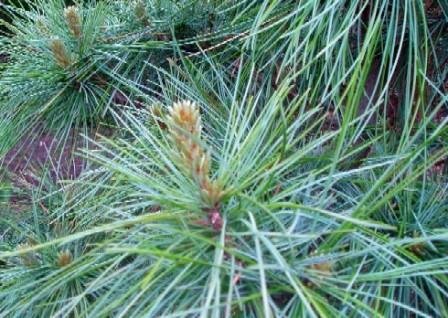
The Dwarf Korean Pine 2 is a grafted specimen featuring a true dwarf growth habit and a compact silhouette. It grows to about 5 feet tall and 4 feet wide, making it suitable for medium-sized containers or landscape edges. Best for gardeners who want a known-scale pine with predictable size. Caution: grafted plants may show variances in growth compared to seed-grown stock over time.
Morris Blue Dwarf Korean Pine

The Morris Blue Dwarf Korean Pine features soft powder-blue needles and a compact habit, with hardy performance down to -40 degrees. It reaches about 8 feet tall and 4 feet wide, offering a balanced presence in gardens and long-term landscape planning. Best for collectors or spaces needing color contrast from needle hues. Limitation: blue-toned needles can fade in intense sun or heat without adequate shade or moisture.
Buying Guide
What should you consider when choosing a dwarf pine cultivar?
- Space and mature size: Choose a cultivar that fits your available space and desired eventual size, whether a small pot or an edging plant.
- Hardiness zone compatibility: Pick a cultivar rated for your climate to minimize winter damage and maximize year-round appearance.
- Growth rate: Slow growers stay compact longer but take longer to fill space; faster growers fill more quickly but may require more pruning.
- Foliage and color: Variegated, blue-green, or dark needles create different visual impacts; consider sun exposure and heat tolerance.
- Maintenance needs: Some forms are bonsai-friendly; others are low-maintenance with minimal pruning.
- Container suitability: If you plan to container-grow, ensure the cultivar tolerates root confinement and has a compact habit.
FAQ
- What is a dwarf pine cultivar best for a small yard? A compact, slow-growing variety like Gee Broom or Teeny Mugo is ideal for limited spaces and containers.
- Are variegated pines harder to maintain? Variegated forms can be more sensitive to sun and heat; provide consistent moisture and some afternoon shade where needed.
- Can these pines be used for bonsai? Yes, several are suitable for bonsai-style training, especially Ondai Japanese Black Pine and similar dwarfs with strong structure.
- Do dwarf pines require special soil? Well-draining soil is important; avoid heavy, waterlogged substrates. A rocky or sandy mix helps with drainage.
- How big do these dwarfs get? Most listed cultivars stay under 6–8 feet in landscape settings, with many remaining under 3–4 feet in containers or ideal microclimates.
- Are grafted dwarfs more reliable? Grafted plants often have predictable size and form, but growth can differ from seed-grown stock over time.