When daylight wanes in winter, indoor grow lights become essential for keeping houseplants healthy and productive. The right light supports photosynthesis, promotes sturdy growth, and helps flowering plants stay robust. This guide highlights five reliable options, each suited to different spaces and plant needs. Whether you’re growing herbs on a windowsill, herbs in a kitchen, or small houseplants in a bedroom, these lights offer practical features like full-spectrum LEDs, timers, and adjustable brightness to fit winter schedules. The table below compares the key picks at a glance.
| Product | Best For | Key Feature |
|---|---|---|
| RWNTAO Upgrade 84 LEDs Clip Lights | Small to mid-sized setups; desks and shelves | Full spectrum with 3 modes and 10 dimmable levels |
| LEOTER 80 LED Grow Light | All-purpose indoor plants; versatile timer options | Full spectrum with 3 spectral modes and 10 brightness levels |
| GooingTop 6000K Clip Light | Compact spaces; reading lamp with plant emphasis | High color rendering (CRI ~95) and 4/8/12-hour timers |
| yadoker Plant Grow Light | Tall or large plants; adjustable height needs | Full spectrum with adjustable height up to 61” |
| Sonamindary 5700K Clip Lamp | All growth stages; flexible daylight-like spectrum | 60 LEDs with 5 brightness levels and multiple timer options |
RWNTAO Upgrade 84 LEDs Clip Plant Lights

Best for compact plant setups where space is at a premium. This dual-head system offers an upgraded full spectrum with 5 red and 37 white LEDs per bar to simulate daylight conditions at noon. The 6000K white light is designed to power multiple growth stages, from seedling to fruiting. The unit includes a cycle memory timer that can automatically turn lights on and off for 3, 9, or 12 hours, simplifying care for busy owners or vacation periods. The three switch modes and 10 brightness levels let users tailor output for leafy greens, herbs, or flowering plants.
Who this is best for: apartment gardeners, desk plants, and small herb setups that need consistent winter lighting without a large footprint. Choose this if you want a plug-and-play solution with user-friendly timers and flexible brightness. Caution: Per-bar brightness and coverage are optimized for small to mid-sized clusters; larger plants may need additional fixtures for even coverage.
LEOTER Grow Light for Indoor Plants
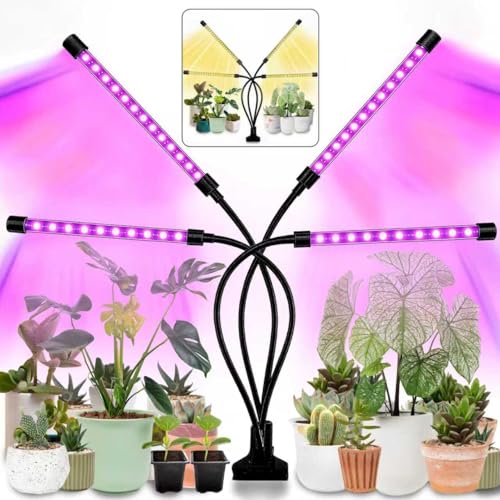
This upgraded option uses 80 LEDs with a mix of red, blue, and full-spectrum diodes to cover all growth stages. The full spectrum (380–800 nm) supports root development, vegetative growth, and flowering. The red and blue channels facilitate blooming and fruiting, while the white LEDs help with overall plant structure. The circular memory timer automatically turns the light on and off daily according to a chosen 3, 9, or 12-hour cycle, making it ideal for busy households or offices. Note that if the light is powered off, the timer may require a reset to resume timing.
Best for: home gardeners who want a versatile, all-in-one light that adapts through seed, vegetative, and flowering stages. Better for: plants that benefit from precise red/blue ratio changes. Avoid this if you need a high-heat, long-throw setup for very large plants, as coverage is optimized for small to medium specimens.
GooingTop LED Grow Light
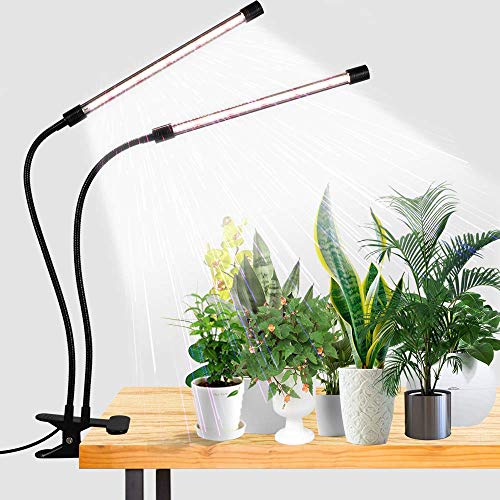
Designed for indoor gardens where space is small but lighting needs are flexible, this light uses 10 red and 74 white LEDs to create a bright, wide spectrum. The high color rendering index (CRI up to 95) makes it suitable for both plant care and tasks like reading or studying near the setup. The timer offers 4, 8, or 12-hour cycles on a 24-hour basis, which helps keep a steady daily rhythm for plant growth. It is USB or AC powered and features a flexible gooseneck and clamp for adaptable positioning.
Best for: users who want a bright, natural-looking light with strong color rendering for visually inspecting plant health. Better for: compact desks or shelves where you also need a lamp for tasks. Caution: The fixture relies on USB power or a plug; ensure you have convenient access to a power source.
yadoker Plant Grow Light

Targeted at larger indoor plants, this light emphasizes full-spectrum output from 380 nm to 800 nm for comprehensive growth support. The design emphasizes a natural bamboo exterior, offering an eco-friendly touch while blending with home decor. Height adjustment up to 61 inches provides strong coverage for tall plants, helping them receive consistent light as they grow taller. This fixture is well suited for living rooms or offices with larger plant specimens needing steadier illumination throughout winter.
Who this is best for: plant owners with tall specimens or wide-canopy greens that require tall reach and steady light. Choose this if you want a stylish, sustainable design that still delivers broad light distribution. Limitation: The bamboo finish is visually appealing, but durability depends on care and placement; very humid spaces could affect its long-term appearance.
Sonamindary LED Grow Light

This single-head fixture provides a 5700K-like day light with a total of 60 LEDs, including white, red, and blue channels. With 5 brightness levels and timer options of 4, 8, 12, or 18 hours, it offers flexible automation for varied growth phases. The light’s soft, flicker-free output helps reduce eye strain for nearby humans and supports steady plant photosynthesis year-round. The balanced spectrum is suitable for most greens, herbs, and flowering houseplants.
Best for: plant enthusiasts who want a compact, reliable light with multiple timer options. Better for: small to mid-sized plants in desks or shelves. Caution: A single-head setup may require repositioning or a secondary unit to cover larger clusters evenly.
Buying Guide: How to Choose Winter Grow Lights
When shopping for winter lighting, consider coverage, spectrum, timers, and ease of use. The following questions help clarify what works best for your plants and space.
- How much space needs coverage? For dense shelves or clusters, two light heads may provide more even distribution, while compact desks can rely on a single adjustable unit.
- What growth stage do you support? Seedlings thrive on full-spectrum light, while flowering plants need stronger red wavelengths to promote blooms.
- Is a timer important? Auto on/off reduces maintenance, especially during workdays or travel. Look for 3/9/12-hour options or programmable cycles.
- How important is color rendering? A higher CRI helps you visually assess plant health and ensures color accuracy when identifying nutrient or disease issues.
- What power options are available? USB-powered lights offer flexibility, while wall-plug units can be more stable in rooms without accessible USB ports.
- Is adjustability essential? Goosenecks, clamps, and adjustable heights help target light where plants need it most as they grow.
Frequently Asked Questions
- What light spectrum do plants need most in winter? A full spectrum from 380 nm to 800 nm covers seedling, vegetative, and flowering needs, with extra red light aiding blooms.
- How long should I keep grow lights on per day in winter? Most indoor setups use 8–12 hours per day, depending on plant type and age. Timers help maintain consistency.
- Can I use a regular lamp for growing plants? Regular lamps may not provide the optimal spectrum or intensity, and may cause slow growth or leggy plants. Dedicated grow lights produce more reliable results.
- Do LED grow lights produce heat? LEDs generate less heat than traditional bulbs, reducing risk of overheating but still warming plants slightly. Place lights at an appropriate distance from foliage.
- How far should lights be from plants? Start around 6–12 inches for seedlings and adjust to avoid leaf burn; taller plants may require more height or multiple fixtures.
- Are timers necessary for winter use? Timers help ensure consistent daily light, which is especially important when daylight is scarce and your routine varies.
These options provide practical, winter-ready lighting solutions for a range of plant sizes and spaces. Each product emphasizes full-spectrum output and adjustable settings to support plant health when natural daylight wanes. Use the buying guide to pick the right combination of coverage, spectrum, and automation for your indoor garden.