Yes—these meadow mix wildflower seeds are ideal for creating vibrant, low-maintenance pollinator-friendly spaces. This guide highlights five top options that suit different climates, soil types, and gardening goals. The selections below are best for homeowners seeking easy throw-and-grow meadows, wildlife-friendly borders, and colorful perennial displays that return season after season. Each product is evaluated on growth habits, seed variety, and suitability for specific regions or garden styles.
| Product | Why It’s Chosen | Best For |
|---|---|---|
| Outsidepride Midwest Wildflower Seed Mix | Balanced annuals and perennials; Midwest-ready blend; tall, layered display | Midwestern gardens and meadows |
| PLANTMEW Wildflower Seeds Bulk Mix | 100% non-GMO mix with >10,000 seeds; easy “throw & grow” | Beginner-friendly, large-area meadows |
| HOME GROWN Monarch Butterfly Wildflower Mix | Milkweed and nectar flowers; pollinator-specific mix | Monarch and butterfly gardens |
| Jonathan Green Wildflower & Meadow Grass Mix | 25+ varieties; versatile for slopes and low-maintenance beds | Natural landscapes and slopes |
| Fruivity 200,000+ Wildflower Seeds Bulk | High-volume, multiple perennials and annuals; strong germination | Pollinator-rich meadows and borders |
Outsidepride Midwest Wildflower Seed Mix

Best for: Midwest landscapes with variable weather. This blend is specifically tailored to Midwestern climates, combining hardy annuals and perennials to deliver color across the growing season. It reaches an estimated height of 24-30 inches, offering a layered look that can define meadows or garden beds. The balanced 50/50 mix means you see quick color in year one from annuals and enduring blooms from perennials in subsequent years.
Caution: Performance depends on soil preparation and moisture. In very dry periods, supplemental watering helps establish the perennials and prevent seedling loss. Avoid overly compacted soil, which can hinder root growth.
PLANTMEW Wildflower Seeds Bulk Mix

Best for: Large, low-maintenance meadows with a nectar-rich portfolio. The mix includes 25 diverse wildflower varieties and yields 10,000+ live seeds per 30-gram packet, covering roughly 100 square feet. It’s designed for easy “throw and grow” applicability, making it suitable for beginners or busy gardeners who want rapid, dense coverage with minimal effort.
Why selected: A high-seed-count bulk option that supports pollinators while delivering a thick, vibrant display. The emphasis on easy spread and rapid establishment helps owners achieve a meadow look quickly. Expect seasonal color from spring through fall as plants mature.
Caution: Without proper soil preparation, germination can be uneven. Light raking and keep soil evenly moist during establishment to improve uniformity.
HOME GROWN Monarch Butterfly Wildflower Mix (2oz)

Best for: Pollinator gardens focused on monarchs and long-season color. This mix includes a strong emphasis on butterfly weed and milkweed varieties alongside nectar plants, creating habitats that support monarch migration and year-round biodiversity.
Why selected: It provides a season-long color display, with blooms across spring to fall. Perennials return year after year, contributing to a sustainable pollinator corridor. Easy-growing characteristics make it accessible for beginners and seasoned gardeners alike.
Caution: It contains a butterfly-specific mix; if monarchs are not a focus, consider a broader nectar blend to attract a wider range of pollinators.
Jonathan Green Wildflower & Meadow Grass Mix
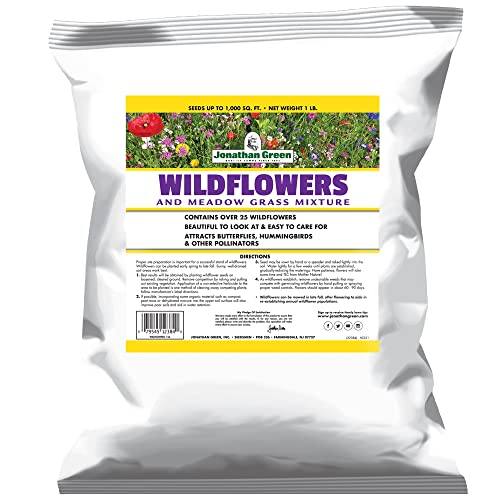
Best for: Natural landscapes and slopes that require low maintenance and self-seeding capability. This mix includes over 25 annual and perennial wildflowers plus hard fescue and birdsfoot trefoil to form a robust meadow or bank stabilization.
Why selected: The combination of wildflowers with grasses helps prevent erosion on slopes while maintaining a colorful display. It’s suited for areas where mowing is limited or intentionally avoided, delivering a self-reseeding advantage that enhances year-to-year color.
Caution: Sod or seedbed preparation matters. Poorly prepared soil may reduce germination and seedling vigor, especially on steeper slopes.
Fruivity 200,000+ Wildflower Seeds Bulk
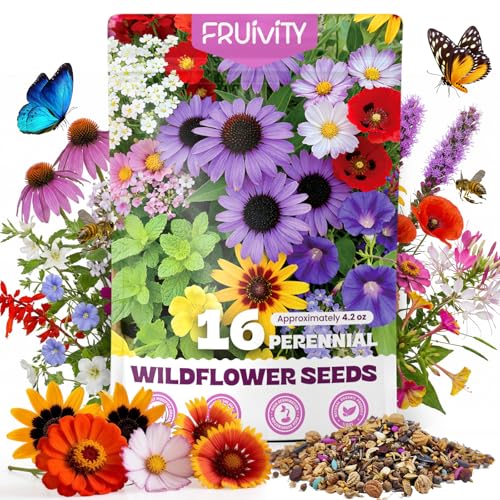
Best for: Pollinator gardens needing a big, consistent bloom across multiple seasons. This bulk mix features 16 varieties of perennials and annuals with high germination rates and strong biodiversity support for bees, butterflies, and hummingbirds.
Why selected: The large seed count and variety help create a robust, self-sustaining meadow, ideal for users seeking a dramatic, wildlife-friendly landscape. The mix is designed for indoor or outdoor planting and adapts to multiple USDA zones.
Caution: With bulk mixes, differences in germination among varieties can affect early color uniformity. Plan for staggered bloom times and supplement with companion plants if uniformity is desired early on.
Buying Guide: Meadow Mix Wildflower Seed
What should I consider when choosing a meadow mix?
- Climate and region: Pick blends tailored to your climate (Midwest, drought-prone areas, or coastal zones) to improve establishment and long-term performance.
- Seed mix composition: Choose balanced annuals and perennials for quick color and lasting beauty, or select pollinator-specific mixes for monarchs, bees, or butterflies.
- Soil and site preparation: Most wildflower seeds perform best in well-drained soil with minimal competition. Tilling, weed removal, and proper seed depth improve germination rates.
- Watering during establishment: Regular, gentle watering helps seedlings establish, especially for larger seed packets or bulk mixes.
- Maintenance expectations: If you want low maintenance, select self-seeding varieties and mixes designed for naturalized growth rather than high-density, high-maintenance beds.
- Pollinator goals: Consider the blooms’ nectar timing and flower shape to support the pollinators you want to attract (bees, butterflies, hummingbirds, or monarchs).
How do I balance aesthetics with practicality in a meadow mix?
Choose a core mix that offers both fast color (annuals) and year-after-year resilience (perennials). Layer plants with different heights to create depth, and plant in areas with sun exposure suited to the seed mix. For large spaces, bulk mixes provide cost-effective coverage; for borders, select varieties with shorter mature heights to avoid shading neighboring plants.
What if germination seems uneven?
Ensure soil is evenly prepared and not overly compacted. Lightly rake seeds into the soil and keep soil consistently moist during the first 2-3 weeks. In area with poor drainage, consider raised beds or amending with organic matter to improve moisture balance.
Are these mixes suitable for beginners?
Yes. Many options are designed for easy “throw and grow” planting, featuring high germination rates and minimal maintenance once established. Beginners should follow package-specific sowing guidelines and start with smaller test plots to observe bloom timing and growth habits.
How do I manage a mixed perennial and annual meadow long-term?
Perennials will resow themselves in favorable conditions, contributing ongoing color. Annuals provide immediate impact but will fade after one season. Plan for mid-season color shifts by selecting varieties with staggered bloom periods to maintain visual interest each year.
What considerations matter for pollinators?
Choose nectar-rich varieties that bloom at different times of the year to support bees, butterflies, and hummingbirds across seasons. Include some host plants like milkweed if monarchs are a focus, and ensure there is sun exposure to maximize flower production.
Frequently Asked Questions
- What is the best meadow mix for beginners?
- Look for a throw-and-grow mix with clear establishment guidance and high germination rates, such as bulk or 30-gram packets that cover larger areas.
- How long does it take for wildflowers to establish?
- Most mixes show initial blooms in the first growing season, with perennial varieties establishing stronger color in subsequent years.
- Can I plant these seeds in partial shade?
- Most meadow mixes prefer full sun for best bloom, but some varieties tolerate light shade; verify suitability on product packaging.
- Will these mixes attract wildlife all year long?
- Pollinator-friendly seeds attract bees, butterflies, and birds during blooming periods; year-round activity depends on bloom timing and region.
- Should I mow after establishment?
- Many wildflower meadows thrive with minimal mowing; if mowing, do so sparingly to protect reseeding perennials.
- Are these seeds non-GMO?
- Several listed options are non-GMO, but always check the product details to confirm.