For water-wise landscapes, selecting plants that tolerate dry conditions is essential. This guide highlights five Amazon-sourced options that perform well in xeriscaping, offering reliable color, structure, and pollinator appeal with minimal irrigation. Each pick features drought tolerance, adaptability to sun and poor soils, and bloom longevity, helping you create a low-water garden that stays vibrant through the heat of summer.
| Product | Water Needs | Best Use | Highlights |
|---|---|---|---|
| Outsidepride Violet Cleome Seeds | Low to Moderate | Borders, Focal Points | Tall, airy blooms; drought-tolerant once established |
| Outsidepride Blue Hyssop Seeds | Low | Pollinator beds, Containers | Fragrant, self-seeding perennial |
| Outsidepride Lance-leaved Coreopsis Seeds | Low | Wildflower/Garden beds | Vibrant golden blooms; self-seeding |
| Outsidepride Lavender Blue Giant Hyssop Seeds | Low | Pollinator gardens, Borders | Fragrant blue blooms; drought-tolerant |
| Outsidepride Gaillardia Aristata Red Blanket Flower Seeds | Low | Borders, Meadows | Long blooming, hardy in sun |
Note: All selections are suited for xeriscaping, emphasizing low water needs, sunny conditions, and soils that drain well. Each product’s features below provide practical details to help you compare performance, maintenance, and garden fit without relying on price data.
Violet Cleome Seeds — Outsidepride

Violet Cleome Seeds: Drought-Tolerant Spider Blooms for Xeriscaping
Overview: This variety grows to approximately 36-42 inches, delivering tall, airy spidery blooms. It thrives in full sun and well-drained soils, with the ability to tolerate heat and drought once established—an appealing choice for xeriscaped borders or as a striking backdrop in flower beds.
Key features: Heights and environment tailored for zones 3–10; robust in dry conditions; long bloom season from summer to fall. The airy violet flowers create vertical interest and serve as a focal point in low-water landscapes. Suitable for pollinator-friendly designs, the plant’s structure adds depth to color palettes while requiring moderate maintenance after establishment.
Practical considerations: Ensure good drainage and consistent moisture during germination. Space plants to allow air circulation and reduce disease risk in dry climates. This variety is particularly effective when used to accent borders or as background height in xeriscapes.
Reference: Ideal for gardens emphasizing texture and height in low-water settings. Blooms maintain color through warm months, enhancing visual interest in drought-focused landscapes.
Blue Hyssop Seeds — Outsidepride
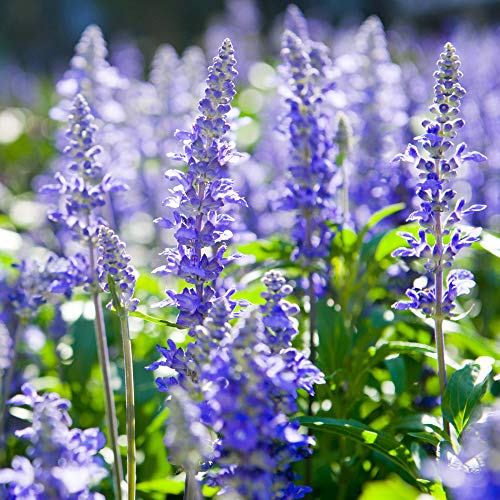
Blue Hyssop Seeds: Perennial For Xeriscaping And Pollinators
Overview: This herb variety grows to about 24 inches tall, adding vertical interest while tolerating drought once established. It suits USDA zones 3–9 and performs well in full sun to partial shade with well-drained soil. The plant self-seeds, extending color year after year with relatively low maintenance.
Key features: Fragrant, summer-blooming blue spikes; perennial habit; attractive to pollinators. Its drought tolerance makes it a solid back-bone plant in water-smart gardens, helping to reduce irrigation while enhancing scent and visual appeal.
Practical considerations: Provide well-drained soil and ample sun for best flowering. Consider pairing with compact groundcovers or low-lying perennials to reduce soil evaporation around root zones. Dependable self-seeding behavior can establish a recurring display with minimal effort.
Reference: A versatile herb that doubles as ornament and fragrance, ideal for xeriscaped beds and container setups where water restrictions apply.
Lance-leaved Coreopsis Seeds — Outsidepride

Lance-leaved Coreopsis Seeds: Vibrant Drought-Tolerant Blooms
Overview: This 1 lb seed packet yields perennial Coreopsis that produce golden-yellow blooms with a reddish-brown center. Ideal for creating wildflower gardens or bright borders, these plants flower from late spring to early fall and require minimal irrigation after establishment.
Key features: Thrives in USDA zones 3–9; drought and humidity tolerant; self-seeding and pollinator-friendly. These robust blooms offer consistent color with low maintenance, making them suitable for xeriscaped meadows or low-water beds.
Practical considerations: Favor sandy or well-drained soils; provide full sun for best bloom potential. Deadhead spent blooms to encourage extended flowering and to manage reseeding where unwanted. Great for adding texture and a naturalistic feel to dry landscapes.
Reference: A hardy, low-water option that attracts pollinators while delivering long-season color with minimal upkeep.
Lavender Blue Giant Hyssop Seeds — Outsidepride

Lavender Blue Giant Hyssop Seeds: Fragrant, Drought-Tolerant Perennial
Overview: Giant Hyssop grows to 26–32 inches tall, offering tall vertical interest for xeriscapes. Suitable for zones 5–9, it thrives in full sun to partial shade with well-drained soil. Once established, it is highly drought-tolerant and blooms throughout the summer with vibrant orange-tinted blue flower spikes.
Key features: Fragrant blossoms, self-seeding perennial with extended bloom period. The plant’s scent plus color can enhance sensory appeal in dry gardens, while its hardy nature helps maintain garden structure during dry spells.
Practical considerations: Plant in full sun to encourage strong flowering and fragrance. Pair with low-water groundcovers to minimize soil moisture loss at the base. Regular deadheading can prolong blooming while keeping the bed tidy.
Reference: A striking, fragrant addition to pollinator-friendly xeriscapes that doubles as a living fragrance feature in hot, sunny spaces.
Gaillardia Aristata Red Blanket Flower Seeds — Outsidepride

Gaillardia Aristata Red Blanket Flower Seeds: Drought-Tolerant Perennials
Overview: Gaillardia Aristata produces large, daisy-like blooms up to 4 inches across, with bold red-orange-yellow hues. The plant reaches about 28–36 inches tall and performs well in zones 3–10. It thrives in full sun and lean, well-drained soils, delivering recurring color with minimal irrigation once established.
Key features: Long bloom season from early summer through fall; hardy perennial with deep taproot; minimal maintenance for xeriscaping and wildflower mixes. This species supports pollinators and adds warm color to any low-water landscape.
Practical considerations: Deadhead spent blossoms to encourage continued flowering and prevent excessive self-seeding where undesired. Pair with other drought-tolerant species to create a cohesive, sun-drenched bed.
Reference: A staple for hot, sunny xeriscapes, delivering reliable color and resilience in low-water gardens.
Buying Guide: Key Considerations For Xeriscaping Success
The following factors help you compare the five highlighted plants and tailor selections to your climate, soil, and design goals:
- Water Requirements: All five selections are drought-tolerant once established, but initial care during germination and establishment matters. Plan for regular moisture the first few weeks, then switch to a deeper, less frequent watering schedule.
- Sun Exposure: These species generally prefer full sun to maximize bloom and drought tolerance. Confirm your site’s sun hours to match plant needs and avoid shade that reduces flowering.
- Soil Type and Drainage: Well-drained soils support xeriscape success. If your soil is heavy clay, amend or choose raised beds to improve drainage and root health.
- Bloom Time and Color Palette: Consider seasonal color transitions. The mix of yellows, blues, purples, and reds can extend visual interest from early summer to fall, even with limited water.
- Maintenance Needs: Coreopsis and Gaillardia offer self-seeding options, while Hyssop and Cleome require occasional pruning or deadheading for tidy beds. Factor pest and disease resistance into your planning.
- Pollinator Support: Several selections attract bees and butterflies. If pollinator gardens are a goal, prioritize such varieties to boost ecosystem health while meeting water-use goals.
- Height and Spacing: Tall Cleome and Hyssop varieties create vertical accents; shorter Coreopsis and Gaillardia suit front borders. Proper spacing reduces competition for scarce soil moisture.
- Hardiness Zones: Check your climate zone against each plant’s tolerance to avoid winter damage or under-wintering in extreme climates.
- Self-Seeding Tendencies: Some plants self-seed, which can be beneficial for naturalized beds but may require thinning if you want to maintain design control.
In practice, a xeriscape design benefits from a layered approach: tall backdrops (Violet Cleome, Giant Hyssop), mid-height color anchors (Gaillardia, Coreopsis), and trailing or ground-cover elements (Blue Hyssop). Integrating a mix of bloom times ensures ongoing color, while consistent soil drainage and thoughtful irrigation scheduling sustain plant health in dry periods.
When selecting plants for a water-smart landscape, prioritize species with proven drought tolerance, strong sun exposure performance, and compatibility with your local soil types. This curated list provides a starting point for creating a low-water garden that remains visually engaging and ecologically beneficial across seasons.