For gardeners, homesteaders, and urban growers, a bag of wheat seed can power fresh sprouts, nutritious juice, or tasty home-baked goods. This guide highlights five reliable wheat seed options that perform well in kitchens, classrooms, and gardens. Each pick offers unique benefits—from organic certification to high-protein kernels—so you can choose based on your growing climate, intended use, and budget. Read on to compare essential features and practical tips for selecting the right seed bag for your needs.
Summary of chosen products:
- Organic Wheatgrass Seed – PowerGrow Systems, 5 lb
- Beardless Soft Winter Wheat Field Seed – Evergreen Farm and Garden, 50 lb
- Nature Jims Sprouts Wheat Grass Seeds – 16 oz
- All Good Things Organic Seeds Hard Red Spring Wheat Seeds – 200 seeds
- Back to The Roots 100% Organic Wheatgrass Seeds – 1 lb
Organic Wheatgrass Seed By PowerGrow Systems
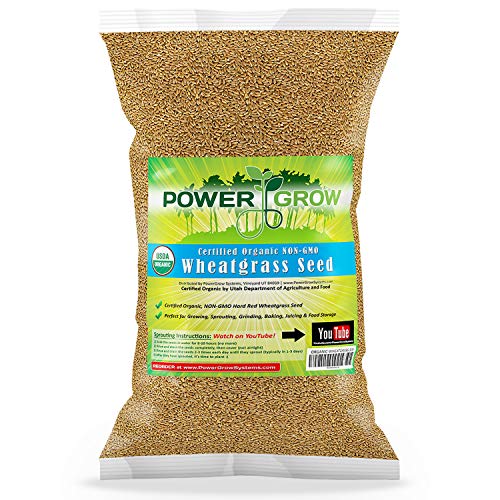
PowerGrow Systems offers a certified organic hard red wheat variety designed for wheatgrass production. The 5-pound bulk bag emphasizes premium USA-grown seeds that are suitable for sprouting, juicing, and baking. The organic certification appeals to buyers prioritizing non-GMO and pesticide-free inputs. For indoor sprouts or larger garden plots, these seeds are a practical option with proven germination expectations and a reliable supply for ongoing use.
Beardless Soft Winter Wheat Field Seed

This 50-pound bag targets farmers and serious hobbyists seeking a versatile high-yield wheat seed. Its beardless soft winter variety is well-suited for grain production, livestock forage, and soil improvement. The dense root system promotes soil structure and erosion control, making it a strong all-around option for cover crops and sustainability-minded plots. It also serves as nutritious forage for grazing, supporting diverse farm needs in one seed package.
Nature Jims Sprouts Wheat Grass Seeds

Nature Jims Sprouts markets a non-GMO, USDA organic wheatgrass seed suitable for indoor sprouts, cat grass, or fresh greens. The resealable 16-ounce bag supports quick growth cycles—often ready in about six days for sprouts. The emphasis on organic certification, absence of fillers, and versatility for human and pet consumption makes these seeds attractive for families and health-conscious buyers seeking quick, nutrient-dense results.
All Good Things Organic Seeds Hard Red Spring Wheat

This 200-seed packet focuses on hard red spring wheat, recognized for higher protein and strong dough performance. The seeds are certified organic, non-GMO, heirloom, and open-pollinated, with germination tested for viability. The packet’s density supports versatile use—from small-scale baking blends to educational seed kits and pollinator-friendly gardening. It also serves as a dual-purpose option for cool-season crops and grain yields across seasons.
Back to The Roots Organic Wheatgrass Seeds

This 1-pound bag offers USDA-certified organic, non-GMO wheatgrass seeds designed for quick growth. The seeds are pesticide-free and suitable for human consumption and pet use. A practical choice for beginners and busy households, these seeds sprout rapidly—typically 5–7 days—providing a steady supply of fresh greens for juicing or snacking. The packaging supports frequent use and convenient storage in everyday kitchens.
Buying Guide: How To Choose The Right Wheat Seed Bag
When selecting a wheat seed bag, consider seed type, certification, and intended use. Organic certification ensures fewer synthetic inputs during cultivation, which matters for food safety and flavor. For those growing for animal forage or cover crops, beardless or soft winter varieties may yield better soil health and livestock nutrition. If your goal is fresh sprouts or cat grass, look for fast germination and small-batch packaging that preserves seed viability. Always check germination rates and storage recommendations from the supplier.
Consider seed origin and purity. USA-grown seeds often align with domestic food-safety expectations and supply chain reliability. Open-pollinated, non-GMO, and heirloom classifications provide long-term genetic stability, which helps when saving seeds for future seasons. For high-protein flour or baking projects, hard red wheat varieties typically deliver stronger gluten development and dough strength, though some soft wheats are easier to sprout.
Storage and packaging affect shelf life. Bulk bags (like 5 lb or 50 lb) are economical but require airtight containers and cool, dry storage. Smaller resealable packs are convenient for beginners or seasonal cooks, reducing waste and maintaining seed viability. Finally, evaluate how quickly you expect results. Sprouting seeds offer rapid gratification, while field seeds are geared toward longer-term harvest cycles and multiple-use outcomes.
Accessibility of the product is another factor. Clear product information, accompanying growing instructions, and warranty or germination guarantees help buyers assess risk and ensure consistent results. If you plan to share seeds with friends or classrooms, consider packaging that is easy to distribute and label for educational purposes.
Bottom line: match the seed variety to your end use—organic sprouts and cat grass, high-protein baking, or versatile cover crops—while considering storage, germination reliability, and whether you prefer a domestic supply chain. The selections listed above provide a range of options to suit different homesteading goals and gardening spaces.