If you’re seeking efficient, wheel-based garden tools that minimize back strain while improving soil quality, a high wheel cultivator can be a game changer. This guide highlights five standout options, focusing on durability, versatility, and ease of use. Each product listing includes key features to help you compare performance, construction, and adaptability for different garden setups.
| Product | Brand | Wheel Type | Key Strengths |
|---|---|---|---|
| 24-Inch Steel Wheel | All-steel construction; three implements; 3-position adjustability | ||
| Single wheel hoe | Self-cleaning steel design; modular attachments; weed control | ||
| Double wheels | Trenching, soil loosening, weeding; versatile 3-hoe set | ||
| Corded electric | 12-Inch width; 8-Inch depth; lightweight yet powerful | ||
| Double steel wheel | Cultivate and weed; durable build; hardwood handles |
Below are five high wheel cultivator options chosen for broad soil, garden bed, and raised-bed applications. Each product section provides a concise overview, notable features, and practical considerations to help you select the right tool for your space and tasks.
EarthWay 6500 High Wheel Cultivator: All‑Steel Durability

The EarthWay 6500 is built around a robust one-inch plated tubular steel frame and heavy-duty all-steel construction. It ships with three implements, enabling front-to-back garden tasks from shallow cultivation to weed removal. The 24-inch steel wheel provides stable leverage, making it well-suited for mid-sized beds and traditional row gardens. Its 3-position adjustable framework supports various working heights, helping users tailor performance to soil conditions and user height. This model emphasizes durability and long-term reliability in daily garden use.
Varomorus High Wheel Cultivator: Modular and Tough

Varomorus offers a self-cleaning steel single-wheel hoe with a modular design that supports multiple attachments. The tool focuses on shallow cultivation that preserves soil structure while efficiently removing weeds and preparing seedbeds. Its all-steel construction adds durability for routine gardening, and the universal toolbar design makes it adaptable to other Varomorus attachments, broadening its usefulness across different planting schemes. This option suits gardeners seeking a compact, versatile high wheel setup with upgrade potential.
Weeding and Planting Double Wheels Hoe: Multi-Function Efficiency

This double-wheels hoe design concentrates on trenching, soil loosening, and weeding with a single tool. The triple-hoe set—trenching, soil loosening, and weeding—simplifies switching tasks mid-garden, reducing the need to carry multiple implements. Large 7.4-inch wheels aid stability and ease of movement, making it suitable for larger plots or beds that require frequent trenching and weed control. The design prioritizes labor-saving operation while maintaining effective soil work.
Garden Rototiller 12-Inch: Lightweight Power
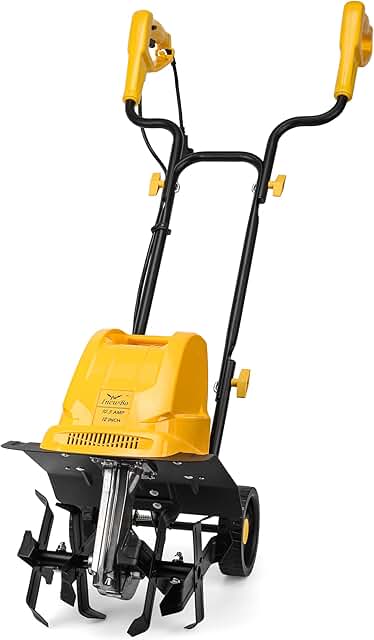
This corded electric rototiller delivers a 12-inch tilling width and an 8-inch maximum depth, combining broader ground coverage with reliable soil penetration. The 10.5-amp motor provides robust performance for home gardens, ideal for bed preparation, loosening soil, and incorporating amendments. The wheeled design supports steady operation and convenient storage, while the corded power source ensures consistent torque without battery concerns. It is a practical option for gardeners who want a powered alternative to manual high wheel tools.
Hoss Double Wheel Hoe: Durable, Versatile Garden Tool

The Hoss double wheel hoe emphasizes a blend of cultivation and weed control with a sturdy steel frame and Amish-crafted hardwood handles. The double wheel design provides stable operation and efficient coverage for vegetable gardens, helping to maintain soil health while suppressing weeds. The tool’s rugged construction supports long-term use, with a focus on reliable performance in varied soil conditions. It is well-suited for gardeners who prioritize durability and hands-on control in their weeding and cultivating tasks.
Buying Guide: Key Purchase Considerations
- Soil and bed type: For compact or raised beds, consider lighter-weight models with modular attachments; for larger plots, a heavy-duty frame and broad wheels improve stability and efficiency.
- Wheel design: Single vs. double wheels affects balance and turning effort. Double wheels often offer smoother operation for trenching and weeding, while a single wheel can be more maneuverable in tight spaces.
- Attachment versatility: Tools with modular or compatible attachments expand functionality, allowing you to perform tilling, weeding, trenching, and soil loosening with a single system.
- Durability and materials: All-steel constructions, reinforced frames, and hardwood handles contribute to longevity in challenging garden conditions and frequent use.
- Power vs. manual: Corded electric rototillers provide consistent power for larger tasks; manual high wheel cultivators rely on user leverage for precise control, typically with less maintenance.
- Maintenance needs: Steel components may require rust protection and care; modular tools benefit from easy attachment changes and straightforward cleaning after use.
- Weight and ergonomics: Lighter tools reduce operator fatigue; consider height-adjustable handles and comfortable grips for extended tasks.
- Storage and space: Compact designs and foldable or detachable components help with shed or garage storage, especially in smaller yards.
- Budget and value: Compare initial cost against durability and attachment versatility to determine long-term value for your garden size and crop focus.