Giant hardy hibiscus plants bring dramatic, tropical-style blooms to temperate gardens. They thrive in sun, offer long-lasting color, and can be grown in beds, borders, or containers. This guide features five readily available options, detailing growth habit, care tips, and what makes each a standout choice for American landscapes.
| Product | Bloom Color | Height Range | Ideal For |
|---|---|---|---|
| Rare Yellow Hibiscus Plant Live | Yellow to Orange | 8-10 inches tall (live plant) | Garden beds, patios, containers |
| 2 Hardy Hibiscus Plants Live (Double Red) | Red | 3 to 5 inches (plants) | Sunny borders, focal points |
| Sunset Hibiscus Plant Live | Colorful mix (bold hues) | 8-10 inches tall | Outdoor landscapes, patios |
| 50+ Mixed Perennial Hibiscus Seeds | Red, pink, white mix | Seed packets; varies by growth | Garden beds, large plantings |
| 100 Giant Hibiscus Flower Seeds | Mixed colors | Seed packets | Home gardens, yards |
Rare Yellow Hibiscus Plant Live

The Rare Yellow Hibiscus Plant offers a compact, well-rooted specimen ideal for small gardens or container setups. Standing 8-10 inches tall as a ready-to-thrive plant, it brings large, tropical blooms in vibrant yellow tones. The absence of a pot means it can be positioned directly into a garden bed or a prepped container with adequate drainage and sun exposure. Its tropical aesthetic fits well with summer landscapes, attracting butterflies and adding dramatic color to borders and patio spaces.
Care considerations include full sun to light shade and regular watering during hot periods. Though marketed as an outdoor-ready hibiscus, it can flourish indoors with sufficient sunlight and humidity. This plant is suited for gardeners seeking immediate impact without extensive propagation labor, delivering color fast while establishing robust root systems in garden soil.
100 Giant Hibiscus Flower Seeds

These mixed hibiscus seeds provide a bulk option for gardeners who prefer growing from seed. While the listing highlights a variety of colors, successful cultivation depends on starting seeds indoors or directly in a sunny outdoor spot after last frost. The seed mix emphasizes hardy varieties designed to endure cooler temperatures better than many tropical hibiscuses, making them suitable for USDA zones 5 through 9. This product offers substantial value for expansive plantings and long-term garden color.
Germination rates and seed viability are key considerations. Gardeners should expect some variability in bloom colors and timing, but with consistent moisture and sun, a dynamic display can emerge across seasons. This seed pack is ideal for those planning a large, colorful border or a pollinator-friendly planting scheme.
2 Hardy Hibiscus Plants Live

This set includes two hibiscus plants chosen for robust performance and striking, large blossoms. Each plant typically reaches 3 to 5 inches in length during early growth stages and develops into a visually impressive shrub as it matures. They prefer full sun but tolerate partial shade, expanding their suitability for varied garden layouts. The reds in this edition offer a bold focal point that contrasts well with dark foliage or light masonry features.
Plant care emphasizes well-drained soil and regular watering during dry spells. These hibiscus varieties generally respond well to mulching and routine pruning to maintain shape and promote prolific blooming. They are adaptable across diverse climates, making them versatile for seasonal color in home landscapes.
Sunset Hibiscus Plant Live
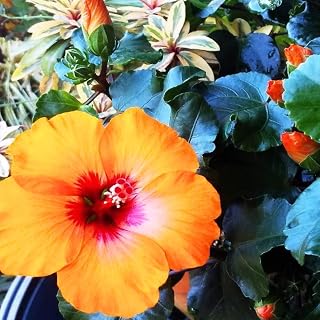
The Sunset Hibiscus Plant offers vivid, color-rich blooms suitable for outdoor landscapes or bright indoor arrangements. Meant to arrive as a well-rooted 8-10 inch plant, it’s ready for immediate transplantation into garden beds or large containers. The variety’s blooms showcase a range of striking hues, delivering a tropical ambiance and strong focal presence in any yard or patio setup.
Optimal growth requires full sun with steady moisture; well-drained soil ensures healthy root development. This cultivar often responds well to regular fertilization and occasional pruning to encourage branching and more frequent flowering. Its adaptability makes it a strong option for gardeners seeking a bold splash of color across seasons.
Buying Guide: Key Purchase Considerations
- Climate and hardiness: Choose varieties that align with USDA zones in your area. Hardy hibiscus generally tolerate cooler temperatures than tropical types, but seasonal protection may be needed in colder regions.
- Sun exposure: Most hibiscus prefer full sun to achieve maximum bloom production. In hotter regions, some afternoon shade can help prevent leaf scorch.
- Growth habit and size: Consider the final height and spread of mature plants when placing them in beds, borders, or containers. Some “live plant” options remain compact, while seed varieties may grow larger over time.
- Soil and drainage: Hibiscus prefer well-drained soil rich in organic matter. Water deeply but avoid waterlogging, which can cause root issues.
- Bloom color variety: With seed mixes offering mixed colors, color outcomes can vary year to year. If you want a specific color, select a single-color cultivar or plant.
- Maintenance: Pruning after flowering encourages robust growth and more blooms. Regular feeding during the growing season supports vibrant flowers and healthy foliage.
- Cost and value: Seed packs provide bulk planting opportunities and long-term color, while live plants deliver instant impact and quicker landscaping results.
- Pollinator appeal: Hibiscus blooms attract butterflies and hummingbirds, enhancing garden biodiversity and enjoyment.
- Container suitability: For patios or small spaces, ensure containers have drainage and a stable potting mix that supports hibiscus growth.
Across these options, giant hardy hibiscus plants offer flexible paths to bold garden color—from instant impact with live plants to extended color through seed varieties. By matching plant type, climate, and sun exposure to your landscape goals, you can create a striking, year-round focal point that thrives in American yards.