If you’re building a garden filled with vibrant foliage, perennials that boast yellow and green leaves offer year‑round interest. These selections thrive in a variety of sun exposures, from full sun to dappled shade, and they can form striking borders, ground covers, or focal plantings. Below you’ll find five well‑suited options, each with distinctive leaf color and texture, plus practical tips for planting and care.
| Plant | Light Needs | Foliage Color | Typical Use |
|---|---|---|---|
| 3 Big & Giant Hosta Perennial Mix | Partial shade | Blue-Green and Yellow-Green | Massive leaves, shade gardens |
| Creeping Jenny (Lysimachia nummularia) | Full sun to part sun | Green with yellow flowers | Ground cover, pathways, containers |
| Yellow Creeping Thyme Seeds | Full sun | Bright yellow flowers over low green carpet | Low-maintenance ground cover |
| Canna Lily Seeds (Mixed Colors) | Full sun | Green leaves with colorful flowers | Tropical focal points, borders |
| Chrysogonum Virginianum Var. Australe (Green and Gold) | Partial shade to sun | Green foliage with yellow flowers | Low-growing ground cover |
3 Big & Giant Hosta Perennial Mix

The 3 Big & Giant Hosta Perennial Mix features oversized blue-green and yellow-green leaves that can reach substantial dimensions as plants mature. With leaf surfaces that create a striking contrast against shady backgrounds, these perennials are prized for their dramatic, sail-like foliage. White flowers rise above the foliage, attracting butterflies and hummingbirds. These hostas establish well in areas with dappled light or full shade, making them ideal for woodland borders, foundation plantings, and decorative massing in shade gardens. Proper spacing and moisture retention are key to elongating their display season.
Care considerations include consistent moisture, especially in hot climates, and mulch to conserve soil moisture. They appreciate rich, well-draining soil and protection from harsh afternoon sun. While established hostas require minimal maintenance, occasional division can sustain vigor and repeat flowering cycles. This mix provides a bold texture and a cool color counterpart in any shade garden.
Creeping Jenny (Lysimachia Nummularia) Groundcover

Ground cover that thrives in many light conditions, Creeping Jenny features small round green leaves that form a dense carpet with charming yellow flowers in May. Hardy across USDA zones 3–8, it works beautifully along steps, rocks, or pathways and spills gracefully from containers. While it can be vigorous, it’s valued for its quick coverage and bright contrast against darker greens. When planting, space plants about 18 inches apart to promote a lush, even display.
The plant’s adaptability makes it suitable for woodland edges and stream banks where moisture is available. It tolerates a range of light, from full sun to part shade, and provides a reliable, low-maintenance option for gardeners seeking a lively accent with a sunny bloom highlight. Note that regulations limit certain region shipments in some areas; verify local guidelines before purchasing.
Yellow Creeping Thyme Seeds
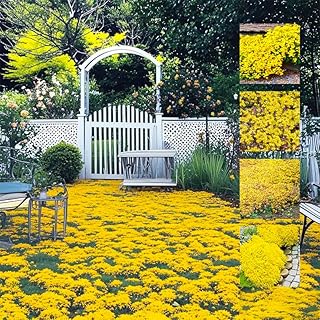
This seed packet offers a low-maintenance ground cover option with a sunny personality. Creeping Thyme forms a low, dense carpet that welcomes pollinators during its bloom period, adding motion and scent to pathways, lawns, or rock gardens. For best results, sow in a sunny or partially shaded area, loosen the soil, and mix seeds with fine sand for even distribution. Keep the soil consistently moist during seedling development, then allow established plants to become drought-tolerant with minimal irrigation.
Once established, Creeping Thyme is relatively drought-tolerant and requires light pruning in spring to encourage denser growth and improved blooming. Its compact habit makes it ideal for edging beds or creating a fragrant ground cover that complements other yellow-green foliage. The bright color and fragrance can be a standout feature in mixed borders or herb gardens where you want a natural, lawn-like feel without mowing.
Mixed Canna Lily Seeds

Canna lilies bring bold, tropical appeal with paddle-shaped green leaves and vibrant flowers in red, orange, yellow, and pink. As perennials, cannas bloom through summer and into fall with minimal effort, creating vertical drama and warm color in beds and borders. They grow in clumps from rhizomes and can reach substantial height, offering a strong architectural presence that pairs well with other foliage—especially those with yellow accents to echo the leaf tones.
Planting requires full sun and well-drained soil. Cannas perform best with regular moisture during hot periods, though established plants tolerate some drought. Because of their height and dynamic foliage, place them toward the back of beds or as focal accents in Mediterranean or tropical-inspired schemes. They are excellent for bringing yellow and green color into sunny, dramatic plantings.
Chrysogonum Virginianum Var. Australe (Green And Gold)

The Green and Gold variety of Chrysogonum virginianum is a native perennial offering tidy, semi-evergreen foliage with cheerful yellow blooms. It is well-suited to woodland gardens, rockeries, and shaded borders where it can form a low-growing ground cover. The plant is hardy in USDA zones 4–8 and is typically delivered in a ready-to-plant condition, making it a reliable solution for introducing a sunny highlight in shaded spaces.
Key considerations include soil drainage and moisture balance; Chrysogonum prefers consistently moist, rich soil but is tolerant of light drought once established. It appreciates partial shade and appreciates mulching to maintain soil temperature and moisture. Its compact habit and evergreen foliage make it a versatile companion for leafy greens and darker greens in mixed borders, adding bright yellow accents that complement the broader palette of yellow-green perennials.
Buying Guide: Key Purchase Considerations
- Light and climate compatibility: Match each plant to your garden’s sun exposure and USDA hardiness zone to ensure robust growth and color retention.
- Soil and drainage: Most ground covers prefer well-drained soil; amend heavy clay or sandy soils to improve moisture retention or drainage as needed.
- Maintenance needs: Consider how much pruning, fertilizing, or division each plant requires to maintain a tidy, ongoing display.
- Growth habit and space: Check mature size to avoid overcrowding and to plan proper spacing for optimal foliage contrast.
- Bloom and foliage color: Yellow-green foliage can brighten shady areas; pair with deep greens or bold flower colors for contrast.
- Wildlife and regional restrictions: Some products may have regional shipping limitations; verify availability for your location.
- Seasonality and dormancy: Some perennials ship dormant or seasonal; plan planting time to align with spring or fall garden work.
- Water and maintenance plan: Ground covers typically require less water once established, but initial care should keep soil evenly moist.