Choosing a white flower fruit tree adds elegance to any landscape while delivering delicious fruit. This guide highlights five well-suited options, covering bloom quality, fruiting habits, and care. Each choice balances ornamental appeal with edible yields, helping you select a tree that thrives in American gardens. The table below offers a quick snapshot to compare key traits at a glance.
Product Snapshot
| Product | Brand | Expected Size | Key Benefit |
|---|---|---|---|
| Perfect Plants Moonglow Pear Tree | PERFECT PLANTS Store | 4-5 ft | Heavy producer with white blossoms |
| White Dogwood Tree | — | 1 gal pot | Showy white flowers, wildlife-friendly berries |
| White Mulberry Plant | — | 10-18 in tall | Edible white berries, versatile growth |
| Flordahome Pear Tree | American Plant Exchange Store | 3-4 ft | Semi-self-pollinating, white blooms |
| White Guava Tree | Nursery | 6-8 in tall | Sweet fruit, fragrant white blooms |
Moonglow Pear Tree — Heavy Fruiting White Blooms

The Moonglow pear is a prolific European-type pear known for heavy fruiting and classic white blossoms each spring. Planted in rich soil, these trees typically begin bearing fruit within 3-5 years. Once established, the tree is relatively low maintenance, simplifying care for home orchard enthusiasts while delivering sweet, high-quality fruit. The robust growth habit supports a productive harvest season for eating fresh, canning, or baking with pears that showcase a delicate floral display in spring.
Key considerations include soil quality, sun exposure, and regular watering during establishment. The tree’s cross-pollination traits can influence yield, so pairing with compatible varieties may enhance fruit production. With steady care, Moonglow pears can become a reliable centerpiece for a small orchard or home garden, combining ornamental value with practical harvests.
White Dogwood Tree — Spring Blooms and Berry Interest

White dogwoods are celebrated for their iconic white petals in early spring, with a charming light pink tinge possible in some varieties. This specimen can enhance landscapes with a clean, elegant bloom that remains striking as foliage develops. In late summer to fall, dogwoods produce clusters of bright red berries that attract birds, adding wildlife interest to the garden. However, note the supplier’s shipping restrictions to certain states due to agricultural laws, which may affect availability.
Dogwoods typically prefer well-drained soil, consistent moisture, and partial sun to full sun. Their moderate size and ornamental fruiting make them suitable for focal point plantings, mixed borders, or woodland-style yards. While primarily valued for beauty, the tree also supports local ecosystems by offering berries for birds late in the season.
White Mulberry Plant — Edible White Berries

The white mulberry plant offers edible, sweet white berries that mature through warmer months. This variety is notably versatile, thriving in a range of soils and climates from USDA zones 4 to 9, making it a good option for many American gardens. It’s a suitable choice for gardeners seeking a fast-growing tree with edible fruit and wildlife-friendly benefits, as berries attract birds and other pollinators, contributing to local biodiversity.
Mulberry trees demand ample sunlight and well-drained soil. They can tolerate some drought once established, but consistent moisture supports higher yields. Consider pruning to maintain size and shape, which helps with fruit production and overall health. The plant’s compact sizing early in its life makes it adaptable for smaller spaces or patio containers, though maturity will bring greater fruiting vigor.
Flordahome Pear Tree — White Flowers, Semi-Self Pollinating
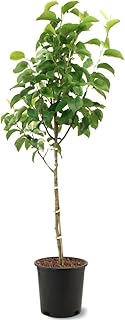
The Flordahome pear tree from American Plant Exchange is a 3- to 4-foot semi-self-pollinating option, delivered in a 5-gallon pot. It brings a tapestry of white blossoms that signals fruit production in the growing season. This tree is designed for home orchards and landscapes, offering fresh pears for eating, canning, or preserves. Its moderate size and reliable fruit set make it a practical choice for gardeners seeking a scalable pear tree that can adapt to smaller spaces while still providing a fruitful harvest.
Consider pollination needs, climate suitability, and soil health when planning planting. While semi-self-pollinating varieties reduce the reliance on a specific pollinator, pairing with compatible pear cultivars can optimize yield. Regular pruning and pest management support sustained productivity and tree vitality across seasons.
White Guava Tree — Fragrant Flowers and Sweet Fruit
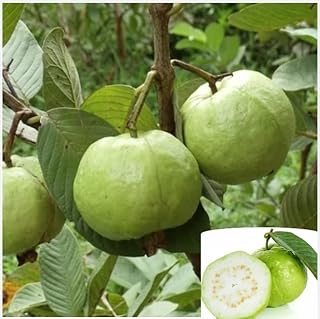
The white guava tree provides a tropical-flavored option with fragrant white blooms and sweet fruit. Suitable for sunny, warm conditions, guava can thrive in well-drained soil with regular moisture. This plant adds a distinct fragrance to outdoor spaces and can deliver productive harvests in appropriate climates. For best results, ensure adequate warmth and consistent sunlight, as guava is a sun-loving fruit tree that rewards persistence with flavorful fruit and ornamental blossoms.
Planting guidance includes selecting a site with full sun, ensuring protected winter conditions in cooler regions, and maintaining even moisture without waterlogging. Pruning aids shape control and air circulation, contributing to disease resistance and steady fruit production over time.
Buying Guide: Key Purchase Considerations and Comparisons
- Climate compatibility: Match tree species to your USDA zone and local climate. Some varieties tolerate cooler winters while others require warm summers.
- Pollination needs: Determine whether the tree is self-pollinating or requires a pollinator partner to maximize fruit set.
- Size and growth habit: Consider mature size, root spread, and whether container or in-ground planting fits your space.
- Soil and sun requirements: Most fruit trees prefer well-drained soil and full sun; ensure adequate drainage and sunlight for optimal blooms and fruiting.
- Bloom display and aesthetics: White blossoms add ornamental value; balance visual appeal with fruit production for year-round benefits.
- Maintenance considerations: Look for disease resistance, pruning needs, and ease of care to align with your gardening routine.
- Wildlife and ecological impact: Trees with berries or nectar can support birds and pollinators, enhancing garden biodiversity.
- Availability and shipping restrictions: Some suppliers restrict shipping to certain states; verify eligibility before purchase.
When comparing options, weigh bloom quality, fruit reliability, and garden suitability. A compact, semi-self-pollinating tree is ideal for small yards, while a disease-resistant pear variety may suit an established home orchard. For decorative value, dogwood and guava provide striking blooms and unique fruiting profiles. Each choice offers distinct advantages depending on your climate, space, and culinary goals.