Growing black eyed peas at home can boost fresh harvests, improve soil health, and support food independence. Below are five carefully selected seeds varieties that emphasize high yields, drought tolerance, and ease of growth. Each option offers distinct benefits for home gardeners, small farms, and survival gardens. Read on to compare performance potential, planting guidelines, and which might best fit your climate and growing goals.
| Product | Brand | Notes |
|---|---|---|
| Black Eyed Pea Seeds for Planting – Heirloom Non-GMO Cowpea | SURVIVAL GARDEN SEEDS Store | High yield; drought and heat tolerant |
| Sow Right Seeds – Black Eyed Cowpea Seeds | Sow Right Seeds Store | Beautiful packet; good cover crop; versatile |
| KVITER 75 California Black Eyed Peas Seeds | KVITER Store | High yield; heat tolerant; adaptable |
| Black Eye Pea Seeds, California Black Eye Peas – COOL BEANS n SPROUTS | COOL BEANS n SPROUTS Store | Non-GMO; USA packaged; tasty pods |
| Black Eye Pea Seeds, California Black Eye Peas – COOL BEANS n SPROUTS | COOL BEANS n SPROUTS Store | Large 16 oz pack; same vendor family |
Black Eyed Pea Seeds for Planting — Heirloom Non-GMO Cowpea
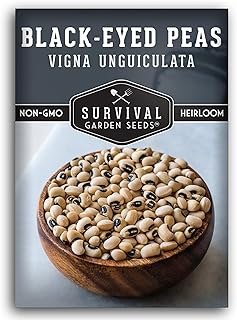
This heirloom, non-GMO black eyed pea variety is bred for reliability in home gardens and survival plots. Gardeners can expect dependable yields from plants that tolerate drought and heat, key conditions in southern climates or dry seasons. The seed is described as easy to germinate and continue growing with minimal maintenance, making it a practical option for beginners and seasoned growers alike. The variety falls under Vigna unguiculata, commonly known for sturdy growth and soil-friendly nitrogen fixation. When planted in well-drained soil with sunlight, these seeds commonly produce a steady stream of pods through the growing season.
Growing considerations include spacing and timing. Seedlings typically establish quickly, so sow at a depth of about one inch with enough space to encourage air movement and reduce disease pressure. Regular watering during the initial establishment phase helps establish a robust root system. Because these plants are drought-tolerant, late-season irrigation should still be mindful of soil moisture to avoid stressing pods during pod set. Harvest timing varies by climate but generally follows warm, long days and consistent heat, with pods maturing to a harvestable state in late summer to early fall.
In terms of uses, harvested beans can be eaten fresh or dried for long-term storage. Home cooks can incorporate black eyed peas into traditional Southern dishes, soups, stews, and salads. This seed choice is particularly attractive for those focused on food independence, as it supports crop diversification and soil health through nitrogen-fixing roots. Overall, it blends straightforward cultivation with dependable performance in challenging growing conditions.
Sow Right Seeds — Black Eyed Cowpea Seeds

The Sow Right Seeds package emphasizes usefulness beyond just fresh yield. With a focus on nitrogen fixation, these beans help enrich soil, supporting crops grown nearby. The seed packet contains enough seeds for a noticeable plot, with guidance to plant 1 inch deep and 3 inches apart in full sun. The plants typically reach 2–6 feet tall, offering a substantial canopy and robust pod production within 80–100 days. The description explicitly notes their suitability as a cover crop and a nourishing food source, aligning with multi-functional garden beds in small spaces or urban settings.
Germination is reported to occur within 8–10 days when soil temperatures hover around 65–75°F, making this variety responsive and satisfying for impatient gardeners. Height and spread suggest this plant can be integrated into borders, trellised rows, or mixed vegetable plots. The flavor is celebrated as versatile, enabling fresh eating, freezing, or canning. Garden planning should consider planting in zones 5–11, ensuring adequate sun exposure and soil warmth during the early growing season. The seed’s adaptability supports a range of garden designs—from compact urban plots to larger allotments.
Overall, this option balances performance with educational value, appealing to new gardeners who want quick feedback on progress while contributing to soil health and biodiversity in the garden ecosystem.
KVITER California Black Eyed Peas Seeds

KVITER’s California Black Eyed Peas seeds offer a robust height range of 15–18 inches and a prolific pod production profile. The variety is described as heat-tolerant and well-suited to full sun, making it a practical choice in hot climates or seasons with strong sunlight. These cowpeas are valued for soil nitrogen enrichment, which benefits neighboring plants and overall garden vitality. The seeds are intended for outdoor garden beds, containers, and field plots, providing flexible options for gardeners working with limited space or balcony gardens as well as larger plots.
Planting advice centers on standard cowpea practices: sow about one inch deep with adequate spacing to encourage air circulation and reduce disease pressure. The plants tend to thrive in regions with long, warm seasons and are adaptable enough to tolerate a variety of soil types, including poorer soils where other crops might struggle. Regular thinning and mulching help maintain soil moisture and temperature, supporting steady pod development. Harvest timing follows the season’s heat and sun, delivering green or dried beans depending on preference and use.
In summary, KVITER’s seeds emphasize resilience and versatility. They are a practical fit for gardeners who prioritize high yields, soil health benefits, and a straightforward growing experience in sun-drenched locales.
COOL BEANS n SPROUTS — California Black Eye Peas

This California Black Eye Peas seed pack emphasizes US packaging and non-GMO status, with a strong domestic sourcing message. The pods are described as measuring 6 to 8 inches, and the beans are noted for their delicious flavor whether fresh or dried. The emphasis on local sourcing can be appealing to gardeners who want to minimize import considerations and support domestic vendors. The seeds are presented for straightforward planting in home gardens and containers, with typical expectations for a warm-season legume crop.
Planting guidance aligns with standard cowpeas: plant shallowly, provide full sun, and allow for good drainage. Pods generally appear as the plants mature through the summer, with harvest windows sliding toward late-season when pods reach full size and flavor. Because the vendor markets these seeds as a USA product, they may resonate with gardeners prioritizing local commerce and regional seed adaptation. They offer a reliable option for those seeking a simple, flavorful harvest without complicated cultivation requirements.
COOL BEANS n SPROUTS — 16 OZ California Black Eye Peas
The 16-ounce pack mirrors the same vendor family and branding as the smaller option, providing significantly more seed material for larger plots or extended growing seasons. The product emphasizes USA packaging and non-GMO status, continuing the domestic sourcing narrative. Pods maintain the same general size range and culinary potential, ensuring consistency for gardeners who want to expand plantings or stockpile seeds for future seasons.
Growers should plan for ample sun and heat to drive flowering and pod development. Spacing, irrigation, and soil management remain important to maximize germination success and yield. This bundle is suitable for gardeners who anticipate rapid expansion of beds or containers and who prefer seeds that align with a consistent domestic sourcing story.
Buying Guide: Key Purchase Considerations
- Climate compatibility: Choose varieties described as heat and drought tolerant if you live in hot, dry, or extended summer climates. Consider shorter days to maturity if you have a shorter growing season.
- Soil and nutrition: Legumes improve nitrogen content, but they still need well-drained soil and adequate moisture during establishment. Consider soil testing to tailor amendments.
- Planting method: Most cowpeas like full sun and deep rooting. Decide between beds, borders, or containers based on space and sunlight exposure.
- Harvest window: Understand days to maturity and pod color indicators. Some varieties are best for fresh eating, others for drying and storage.
- Germination and care: Begin with seeds that have clear germination timelines. Mulching and irrigation during establishment help reduce stress and improve yields.
- Seed origin: If supporting domestic sourcing or non-GMO preferences, read packaging notes for origin and verification.
- Gardening goals: If you want a cover crop as well as a food source, select varieties noted for soil health benefits and nitrogen fixation.
- Storage and handling: Store seeds in a cool, dry place. Label packs with lot dates to track germination viability over seasons.