Yellow sweet clover is a long-standing favorite among pollinator gardeners. This article highlights seed options that support bees and butterflies, with practical guidance on growth, soil, and management. Each product section explains how the seed’s traits align with pollinator-friendly gardening and cover-crop strategies. Readers will find a concise buying guide to compare offerings and make informed choices for attracting and sustaining pollinator populations.
Summary of featured products
| Product | Brand | Type | Key Benefit | Ideal Use |
|---|---|---|---|---|
| 14000 Yellow Sweet Clover Seeds 28 Grams | Generic | Seed | Bee and butterfly pollinator support | Home gardens, pollinator beds |
| Outsidepride Yellow Sweet Clover Seed – 10 lbs | Outsidepride | Seed | Versatile growth, soil health | Cover crops, forage, pollinator plots |
| Outsidepride Yellow Sweet Clover Seed – 5 lbs | Outsidepride | Seed | Resilient, nitrogen-fixing | Lawns, raised beds, greens |
| Outsidepride Yellow Sweet Clover Seed – 40 lbs | Outsidepride | Seed | High-volume cover crop | Large plots, farm-scale mixes |
| Yellow Sweet Blossom Clover – 50 Seeds | Yellow Sweet Blossom Clover | Seed | Heritage, non-GMO, ornamental and edible | Gardens, beds, blossoms for pollinators |
Note: Each product focuses on yellow sweet clover or closely related Melilotus varieties, known for nectar-rich blooms that attract bees and butterflies. Availability and packaging vary; always check for inoculation, planting rates, and zone suitability to maximize pollinator benefits.
14000 Yellow Sweet Clover Seeds For Pollinators
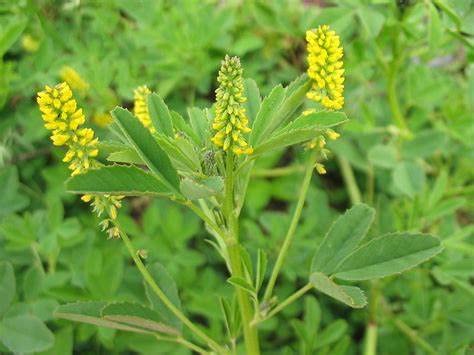
The 14000 Yellow Sweet Clover Seeds are described as heirloom, non-GMO, USA-harvested pollinator seeds designed to attract bees and butterflies. This compact 28-gram package offers a convenient option for gardeners seeking to seed small plots that support pollinator activity. Planting this variety helps establish nectar sources at key times and can complement larger flower beds or forage patches. While the product highlights its pollinator appeal, users should verify sowing rates and expected bloom windows to coordinate with local bee activity and seasonal needs.
Outsidepride Yellow Sweet Clover Seed – 10 Lbs

Outsidepride’s 10-pound bag emphasizes versatility and resilience. The product notes suitability for USDA zones 4–10, frost tolerance, drought resistance, and winter hardiness. It highlights a tall growth habit up to about 48 inches and recommends the seed for cover crops, lawns, gardens, and raised beds. Nitrogen-fixing properties can improve soil health, which indirectly supports pollinator-friendly plantings. The sowing rate and multi-use approach make it a strong option for gardeners planning extended bloom periods and integrated soil management. Consider combining with grasses for balanced forage and nectar sources.
Outsidepride Yellow Sweet Clover Seed – 5 Lbs

This 5-pound option shares core traits with the larger bag: tolerant growth across zones, strong drought resistance, frost tolerance, and a robust root system that enhances soil structure. The description emphasizes soil health benefits, nitrogen fixation, and the capacity to serve as green manure or forage. Planting guidance recommends sowing rates in the range of a half-pound to three-quarters of a pound per 1,000 square feet, with a focus on two-season productivity. This size is practical for mid-sized plots or garden beds designed to supply steady nectar over multiple weeks of bloom.
Outsidepride Yellow Sweet Clover Seed – 40 Lbs
The 40-pound bag targets large-scale applications, offering the same resilience and soil-improving qualities highlighted in smaller bags. This option is suitable for substantial cover-crop programs, forage operations, and pollinator habitat establishment on larger plots. The product notes its capability to reach up to 48 inches in height and to thrive across zones 4–10, with drought and frost tolerance. Given its scale, growers may consider coordinating with crop rotation plans and integrated pest management to maximize pollinator-friendly outcomes across seasons.
Yellow Sweet Blossom Clover – 50 Seeds

The Yellow Sweet Blossom Clover product emphasizes heirloom, organic, non-GMO attributes, combining ornamental value with pollinator potential. The packaging suggests suitability for garden beds, greenhouse setups, and outdoor flower beds. It’s positioned as a multi-use addition that can enhance biodiversity while offering pleasant blooms. For bee and butterfly activity, ensure a steady nectar supply by staggering sowing and balancing with companion flowering plants. This option may appeal to gardeners seeking a visually pleasing, pollinator-supportive seed choice with an organic footprint.
Buying Guide: Key Considerations For Choosing Yellow Sweet Clover Seeds For Bees
When selecting yellow sweet clover seeds for pollinator-friendly gardens, consider the following factors to optimize bee and butterfly support while meeting your garden or farm goals.
- Pollinator impact and bloom timing: Look for seeds that establish nectar-rich blooms early in the season and extend into late summer to sustain pollinators over time.
- Soil and site suitability: Assess soil pH, drainage, and organic matter. Many clover varieties prefer slightly acidic to neutral soils and tolerate a range of conditions, but performance improves with well-drained soil and balanced fertility.
- Growth habit and height: Taller plants may excel in boundaries or pollinator margins, while compact varieties fit smaller spaces. Consider how mature height affects surrounding vegetation and maintenance needs.
- Seed quality and labeling: Favor non-GMO, inoculated, or locally sourced seeds when possible. Inoculation can improve nodulation and nitrogen fixation, benefiting subsequent crops or soil health.
- Use case: Decide whether you want a cover crop, forage, green manure, or direct nectar source for bees. Align seed rates with your goals to optimize germination and bloom windows.
- Maintenance and seasonality: Biennial or perennial tendencies influence how often you re-seed. Plan for season extenders, such as protective mulch or irrigation, to ensure consistent flowering.
- Garden integration: Combine yellow sweet clover with other pollinator-friendly plants (native wildflowers, herbs, and flowering perennials) to create a diverse nectar landscape that supports different bee species and butterfly populations.
Observations on Selection and Management
Seed size, packaging, and availability can influence planting logistics, especially for larger plots or community gardens. Inoculation and soil health benefits can enhance legume performance and nutrient cycling, contributing to improved soil structure and moisture retention. While some products emphasize ornamental or ornamental-leaning uses, many options deliver real pollinator value when integrated into strategic plots. Planting in well-prepared beds with appropriate spacing, followed by timely irrigation and weed control, supports better germination and robust bloom periods that attract and sustain bees and butterflies.
Practical Planting Tips
For best results, sow clover seeds in early spring or late summer in regions with mild winters, following the recommended sowing rates for your chosen bag size. Lightly rake soil to cover seeds and water gently to avoid washing seeds away. Monitor emergence, protect young plants from drought stress with periodic irrigation, and avoid heavy fertilization that may favor grasses over legumes. Mulching can help conserve moisture, reduce weed competition, and promote steady growth through cooler periods. As plants mature, maintain an open, nectar-rich habitat by avoiding over-pruning and allowing flowering stems to bloom freely.