Finding reliable waterproof outdoor canopy fabric is essential for outdoor spaces that endure sun, rain, and wind. This guide highlights top fabrics used in shade sails, canopies, and pergola coverings, focusing on UV protection, water resistance, and long-lasting durability. Read on to compare materials, installation ease, and performance to help you choose the right option for patios, gardens, decks, and carports.
A quick summary of selected products helps you compare key features at a glance:
- Shade&Beyond Shade Cloth with Grommets — 90% UV block, 200GSM HDPE, includes grommets for easy installation
- KANAGAWA Sun Shade Sail — 95% UV blockage, breathable 185GSM HDPE, not waterproof
- Artpuch 90% Shade Cloth — 200GSM HDPE, reinforced binding, grommets, breathable
- Amgo 7×12 Beige Shade Sail — Waterproof PU-coated polyester, UPF50+
- 600 Denier Canvas Fabric (Sold by yard) — 600D polyester with PVC backing for waterproofing
Shade&Beyond 90% Sun Shade Cloth With Grommets
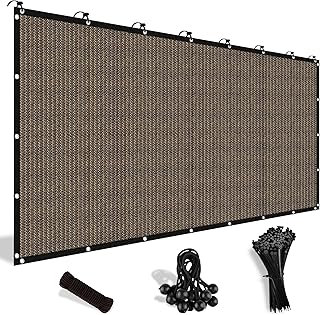
The Shade&Beyond shade cloth offers strong UV protection with 90% sun block using 200GSM HDPE material. Its design includes grommets every two feet for straightforward installation on pergolas, patios, or garden structures. The fabric resists UV fading while providing good heat insulation to keep outdoor spaces cooler. Breathability supports airflow to prevent heat buildup and moisture pooling under light rain. This makes it suitable for shade sails, patio covers, and garden canopies where durability and sun protection are priorities.
KANAGAWA Sun Shade Sail 12×16

KANAGAWA’s shade sail delivers high UV protection with up to 98% UV blockage and 80–85% shade in typical setups. Constructed from 185 GSM HDPE, it uses double-layer webbing and stainless D-rings for durability. While breathable and rain-permeable, it is not a waterproof solution, making it ideal for open-air patios, balconies, and carports where shade is needed without water retention. The product fosters airflow and reduces heat while offering strong sun protection for people, plants, and vehicles beneath.
Artpuch 90% Shade Cloth, 10×12 Ft
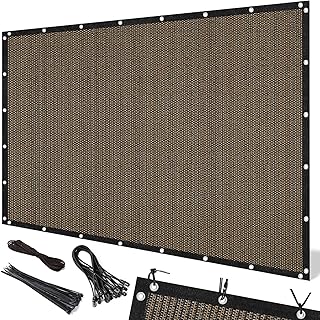
Artpuch offers a heavy-duty 200GSM HDPE shade cloth with reinforced binding and grommets for dependable outdoor use. Its permeable design prevents water pooling during rain, making it effective for shade without trapping moisture. Blocking about 90% of UV rays helps protect people and outdoor furnishings, while breathable fabric maintains a cooler environment under the shade. Suitable for patios, pergolas, and poolside areas, it balances privacy with light and airflow.
Amgo 7′ x 12′ Beige Shade Sail

This Amgo solution uses a waterproof PU-coated polyester fabric designed to block up to 98% of UV rays. It provides a weather-ready canopy that can be mounted on carports or patios. While offering strong UV protection and water resistance, the canopy is described as water-repellent rather than fully waterproof, depending on construction and seam strength. The design supports easy removal or adjustment and is suited for spaces requiring robust shade with rain resistance characteristics.
600 Denier Waterproof Canvas Fabric

Sold by the yard, this 600 Denier canvas fabric is built for durability in indoor and outdoor projects. The 100% polyester construction with a PVC backing provides waterproofing and water repellence. The fabric versatility supports upholstery, awnings, canopies, tents, and other shade-related installations. Its heavy-duty composition makes it suitable for long-term outdoor canopies and weather-resistant shade structures, especially where a robust material is valued.
Buying Guide
Key considerations when selecting waterproof outdoor canopy fabric include UV protection, water resistance, breathability, and installation practicality. Understanding these factors helps match products to specific use cases—sun-heavy patios, rain-prone regions, or areas needing airflow without sacrificing shade.
- UV protection and light transmission: Look for fabrics that block 80–95% of UV rays. Higher blocking reduces sun damage to furniture and skin while maintaining comfortable shade levels.
- Waterproofing versus water resistance: Waterproof fabrics (often with PU coatings or PVC backings) provide protection from rain but may be less breathable. For hot climates, breathable shade cloths can reduce heat more effectively while letting light and air pass through.
- Material durability: HDPE and high-denier polyester are common. Consider denier, weave, and seam construction for long-term exposure to sun, wind, and rain.
- Installation and hardware: Grommets, webbing, and mounting hardware affect ease of setup and load distribution. Choose products with features that fit your structure, whether a pergola, awning, or freestanding shade.
- Ventilation and airflow: Breathable fabrics prevent heat buildup under shade and reduce moisture accumulation, especially important in humid regions.
- Size and shape compatibility: Rectangular and sail-shaped fabrics fit different layouts. Confirm exact dimensions and edge reinforcements to ensure a proper fit.
In selecting among the options, weigh whether your priority is maximum UV blocking, waterproof performance, or a balance of shade with air circulation. For permanent installations, a durable HDPE fabric with reinforced edges and reliable grommets offers longevity. For occasional use or decorative shading, lightweight sails with UV protection and easy install hardware can be ideal.