Discover a curated look at double and pendulous cherry selections that bring graceful, cascading blossoms to landscapes and patios. This guide evaluates five Amazon-listed options, focusing on weeping forms of Prunus subhirtella pendula and closely related cultivars. Each entry includes growth, care considerations, and transplant notes to help you choose the right tree for USDA zones, sun exposure, and rooting preferences. Use this overview to compare dwarf to standard-sized forms and seed options before planting in your yard or container garden.
Summary of chosen products:
- Higan Japanese Pink Weeping Cherry Tree (DAS Farms) — dormant transplanting, bare root options for California, zones 4-8.
- Shidare Yoshino Japanese Weeping Cherry Tree (DAS Farms) — dormant transplanting, bare root shipments to California, zones 4-8.
- Weeping Higan Cherry Seeds (Red Supply Solution) — zones 5-8, 20-30 ft mature size, ornamental variety.
- 10 Weeping Higan Cherry Tree Seeds (Seedville) — 5-8 hardiness, medium to large landscape specimen potential.
- Weeping Cherry Tree 6-12″ Live Plant (Generic) — compact starter, 5-8 hardiness, 6-12 inches tall in pot.
Higan Japanese Pink Weeping Cherry Tree
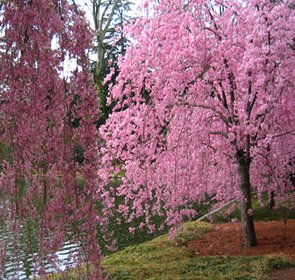
The Higan Japanese Pink Weeping Cherry is a classic ornamental tree with graceful, pendulous branches and soft pink blossoms. This DAS Farms offering is sold as a live plant, shipped dormant for transplanting efficiency. Notes indicate no leaves in winter, with California orders sent bare root in compliance with state regulations. It thrives in zones 4 through 8 with full to partial sun. Expect a forest-like cascade of flowers each spring as the tree matures. Use this option if you want a traditional weeping cherry with a strong floral display.
Key considerations:
– Dormant shipment facilitates root establishing and transplant success.
– Bare-root California shipments require ground planting rather than container relocation.
– Winter dormancy means no foliage during uptake; spring bloom follows after establishment.
Shidare Yoshino Japanese Weeping Cherry Tree

The Shidare Yoshino cultivar is prized for its elegant white blossoms and dramatic weeping habit. Supplied by DAS Farms, this live plant ships when dormant, with acceptance of bare-root shipping to California in compliance with regulations. It is hardy in zones 4–8 and performs best in full to partial sun. The pendulous branches create a delicate canopy ideal for focal points in gardens, courtyards, or along pathways. This selection offers a refined, lighter-contrast bloom compared to pink varieties, suitable for modern landscapes.
Key considerations:
– White blossoms provide a crisp, bright display during late winter to spring.
– Dormant transplanting supports root establishment; avoid container transplant during peak cold periods.
– Bare-root California shipments require careful soil contact after planting.
Weeping Higan Cherry Seeds

This seed package from Red Supply Solution offers five seeds for the ornamental Weeping Higan Cherry, suitable for zones 5–8. While grown from seed rather than as a purchased live plant, it provides an option for gardeners seeking propagation through seeds. Weeping Higan Cherry trees typically reach 20–30 feet in mature size with slender, weeping branches and pink-to-rose-pink flowers. Seed cultivation can require longer time to establishment and bloom compared to nursery-grown stock.
Key considerations:
– Seed propagation vs. nursery transplants: longer timeline to flowering.
– Zones 5–8; ensure frost-free germination and proper seed stratification if required.
– Ornamental value remains high due to sterk weeping habit and spring blooms.
10 Weeping Higan Cherry Tree Seeds

This pack by Seedville includes ten seeds aimed at growing Weeping Higan Cherry trees. The listing notes a hardiness range of zones 5–8 and describes the tree as an ornamental medium-to-large flowering tree. As with other seed products, results depend on germination conditions and subsequent care. Growth typically reaches 15–25 feet in height with a broad, cascading form as the tree matures, featuring light pink to pinkish blossoms in early spring.
Key considerations:
– Seed viability and germination requirements vary; prepare stratification if specified.
– Expect longer time to bloom versus nursery saplings.
– Suitable for larger landscapes; plan for eventual canopy and root space.
Weeping Cherry Tree Seedling

This item describes a 6-12 inch tall live plant introduced as a weeping cherry seedling, supplied in a 3-inch pot. It is labeled for zones 5–8 and notes a well-rooted root system. The compact size makes it a good starter plant for containers or small gardens, with typical growth toward a cascading form as it matures. Expect ongoing care to establish a strong root system and ensure proper sun exposure.
Buying Guide: Key Purchase Considerations
- Plant form and size: Decide between tall, classic weeping trees and compact, container-friendly seedlings. For limited space, starting with a 6–12 inch seedling or a dwarf-rooting form can be advantageous.
- Hardiness and climate: Most listed options suit USDA zones 4–8, but verify local minimum winter temperatures. Choose a cultivar with proven performance in your climate to reduce winter damage.
- Transplant timing and method: Dormant, bare-root shipments are common for winter planting in California. Ground planting is preferred over container transfers when the plant is dormant to minimize stress.
- Bloom color and seasonality: Pink, white, and rose-pink blossoms offer different visual impacts. White blossoms tend to read brighter on overcast days, while pink tones create warmth in spring landscapes.
- Propagation vs. nursery stock: Seeds provide a propagation path with longer time to bloom, while nursery stock delivers quicker visual impact. Consider maintenance and expected time-to-maturity in planning.
- Soil and sun exposure: Weeping cherries typically prefer full sun to light shade with well-draining soil. Ensure adequate space for eventual canopy growth and root spread.
- Watering and care: Young trees require steady moisture until established, then moderate irrigation. Mulching helps retain moisture and regulate soil temperature.
- Aesthetic integration: Plant near focal points, walkways, or patios where cascading branches can be enjoyed from multiple angles. Consider sightlines and companion plant choices for seasonal interest.
In selecting a double or pendulous cherry, evaluate whether you prefer live stock with established blossoms in year one or a seed-based approach with longer time to flowering. Consider transplant rules for your region, the mature size, and how the tree will frame outdoor spaces over time. This guide aims to provide a balanced, objective view of options that align with the “double” or pendulous theme and helps support informed gardening decisions for American readers.