Finding grass seed that performs well in hot, dry conditions requires selecting varieties bred for drought resistance, heat tolerance, and strong root systems. This guide highlights five top-performing seeds suited for sunny, low-water environments, along with practical buying considerations to help homeowners establish resilient lawns. Each profile covers growth traits, maintenance needs, and ideal growing conditions to support informed decisions.
Summary of chosen products
| Product | Brand | Key Benefit |
|---|---|---|
| Black Beauty Heat & Drought Resistant Grass Seed | Jonathan Green | Heat tolerance up to 100°F with waxy leaf coating for moisture retention |
| Sun & Shade Mix Grass Seed with Fertilizer | Scotts | Root-building nutrients; adaptable to variety of light conditions |
| Drought Tolerant Mix | Scotts | Tall Fescue and Kentucky Bluegrass blend; good heat and drought tolerance |
| Oasis Bermuda Grass Seed | Outsidepride | Warm-season Bermuda with rapid growth and high heat resistance |
| KY 31 Tall Fescue Mix | Scotts | Heat and drought-tolerant blend for tough climates |
Best Heat-Guard Seed: Black Beauty Heat & Drought Resistant Mix

The Jonathan Green Black Beauty Heat & Drought Resistant seed blend combines tall fescue and Texas bluegrass to resist heat and endure full sun to light shade. Its notable feature is a waxy leaf coating that reduces evaporation, helping the lawn stay moist in hot conditions. Practically suited for areas where summer temperatures regularly approach or exceed 90°F, the mix can develop deep roots, aiding drought resilience. This seed is appropriate for sunny and lightly shaded landscapes with a preference for well-drained soil.
Best-use scenarios include established lawns that experience heat spikes, or new lawns in dry regions where irrigation is limited. For best results, prepare soil properly, ensure good drainage, and provide a steady watering schedule during germination. A key consideration is that this cool-season seed performs optimally in specific windows, so planning around seasonal temperatures improves establishment success.
Sun & Shade Ready Seed With Fertilizer: Scotts Turf Builder

This Scotts product blends grass seed with fertilizer and soil improver, designed to establish thick, green turf across sun and shade conditions. It emphasizes root-building nutrition that fosters a robust root system, supporting drought resilience once established. The mix is suitable for lawns that experience varying light levels, making it a flexible option in climates with hot summers and occasional shade from trees or buildings.
Germination tends to be steady when soil temperatures rise into spring or fall. While this seed can tolerate some heat, routine irrigation during establishment | the first 4–6 weeks | will help ensure even germination and uniform growth. Consider pairing with a balanced lawn care routine that includes mowing at proper heights and gradual feeding to sustain health in arid periods.
Drought-Tolerant Mix: Kentucky Bluegrass & Tall Fescue

This Scotts blend combines tall fescue with Kentucky Bluegrass to balance drought tolerance with deep-rooted growth. It’s designed for spring or fall sowing and performs best with air temperatures between 65°F and 85°F during establishment. The seed is noted for weed-free purity, which helps reduce competition as the lawn becomes established in warm climates. The mix is versatile for sun-drenched lawns and areas with partial shade, offering resilience against heat stress as roots deepen over time.
For hot climates, expect slower establishment if irrigation is deficient. Managing irrigation to lightly moisten the soil during germination improves germination rates. Post-establishment, a consistent mowing and fertilization plan supports thick turf that can better shoulder heat and drought without relying heavily on supplemental watering.
Fast-Growing Oasis Bermuda Seed

Outsidepride Oasis Bermuda seed is a warm-season blend designed for hot climates and full sun. Bermuda grasses are known for rapid establishment and dense, wear-resistant turf, making Oasis an ideal choice for high-traffic areas. The seed mix includes three top-performing Bermuda varieties to maximize performance in warm weather and poor-to-average rainfall. It thrives in sunny locations and tends to fill in quickly, helping suppress weeds through competition.
Consider this option if you live in zones where winters are mild and summers are intensely sunny. While Bermuda responds well to heat, it requires a dedicated watering plan during establishment and ongoing maintenance to keep it lush in low-water periods. Proper mowing height and aeration support a resilient root system that can cope with heat and drought pressures.
Kentucky 31 Tall Fescue Mix for Tough Climates
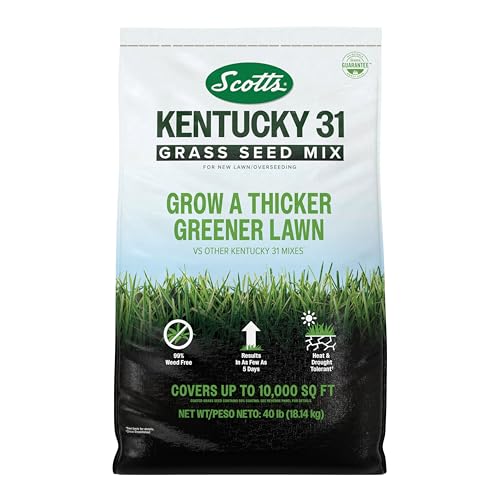
Scotts Kentucky 31 Tall Fescue Mix blends premium tall fescue with other components to deliver a thicker, greener lawn that tolerates heat and drought after establishment. This mix aims for durability and low maintenance, with a balance of seed types for a dependable lawn under high-temperature stress. It is suitable for full sun and moderate shade, making it a versatile option in hot climates where summer heat is intense and rainfall is inconsistent.
Establishment requires consistent moisture during germination and early growth. After the lawn is established, mowing height, proper fertilization, and periodic overseeding can maintain a resilient turf capable of enduring hot, dry spells.
Buying Guide: Key Considerations For Hot, Dry Climates
- Climate type and seasonality: Identify your local climate zone and typical summer temperatures to select seeds with proven heat and drought tolerance.
- Grass type balance: Consider cool-season mixes for shoulder seasons and warm-season blends for peak heat periods; some blends combine both to provide year-round coverage in transitional zones.
- Root depth and water needs: Varieties with deep root systems (such as tall fescues and Bermuda) generally require less frequent watering once established, but may need more water during germination.
- Soil quality and drainage: Well-drained soils support healthier roots and better establishment; poor drainage can cause seedling stress and disease in heat.
- Germination window and timing: Timing seed sowing to cooler periods (spring or fall) can improve germination success in hot climates; some warm-season varieties germinate rapidly once temperatures rise.
- Mowing and maintenance: Optimal mowing height and consistent maintenance reduce heat and drought stress, supporting a robust turf that competes with weeds.
- Water management: Establishment typically requires consistent moisture; after establishment, adjust irrigation to avoid waste while keeping the soil lightly moist during dry spells.
- Weed suppression: Seed blends with weed-free purity and vigorous early growth help minimize weed establishment in hot conditions.
- Longevity and durability: Durable blends reduce the need for frequent overseeding and provide long-term resilience in arid environments.
- Maintenance costs: Warm-season grasses may require seasonal care such as overseeding in transition zones or annual renovations to maintain density in drought-prone summers.
When choosing among these options, weigh the climate specifics of your area, expected irrigation availability, and the level of maintenance you can commit to. For lawns facing repeated heat waves, a mix that blends heat-tolerant cool-season grasses with deep-rooted warm-season varieties can offer steady performance across seasons. Always follow seed-sowing instructions on the package and consider professional soil testing to tailor your approach for the best possible establishment and long-term lawn health.