Choosing between aluminum and steel fencing can impact long‑term maintenance, aesthetics, and overall durability. This guide compares common aluminum and steel fencing options, highlighting rust resistance, installation ease, and value for American homes. Explore five vetted products that illustrate how aluminum and galvanized steel fences perform in real-world settings, from backyard enclosures to decorative garden borders. The selection emphasizes rust resistance, weight, and setup simplicity to help you decide which material suits your property best.
| Product | Material Type | Use Case |
|---|---|---|
| Aluminum Fence Kit (Livingston) | Aluminum | Rust-resistant, low maintenance |
| YardGard Welded Wire Fence | Galvanized Steel | Animal enclosures, boundaries |
| No Dig Decorative Garden Fence | Metal (steel/aluminum blend) | Garden borders, temporary setups |
| Aluminum Fence Repair Ties | Aluminum | Heavy-duty repairs for chain link fences |
| Weatherables Livingston Aluminum Kit (Post) | Aluminum | In-ground posts for modern fencing |
8.7 Inch Aluminum Fence Repair Ties Overview

This product offers 100 aluminum fence repair ties, each with a thick 3mm diameter (about 11 gauge), designed for heavy-duty chain-link fences, kennels, and garden uses. The ties are rust-resistant and long-lasting, eliminating the need for coating in most climates. Ideal for securing sections during repairs or reinforcing fence joints in residential or farm settings, these ties provide strong, corrosion-resistant performance for years of service.
YardGard Welded Wire Fence for Boundaries

This galvanized steel fence features a 2″ x 4″ welded mesh design, measuring 48 inches by 50 feet. The Class 1 zinc coating provides rust resistance for outdoor use, making it suitable for property boundaries and animal enclosures. Its sturdy construction helps maintain fence shape under weather and minor impacts, while offering flexible application for gardens and general-purpose fencing needs.
Weatherables Livingston Aluminum Fence Kit
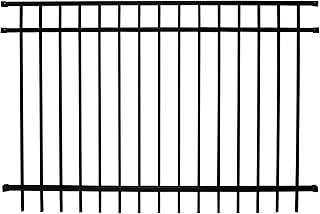
The Livingston Aluminum Fence Kit is a DIY-friendly solution with a modern look. Made from powder-coated aluminum, it resists rust, fading, and corrosion, offering a durable, low-maintenance fencing option for backyards and gardens. The kit includes sections that are easy to assemble, with six brackets and all necessary fasteners for straightforward installation, making it a practical choice for homeowners and professionals alike.
No Dig Decorative Garden Fence by CLEASO

This 10-panel decorative fence provides a no-dig, easy-install solution for garden borders and small animal barriers. The fence is designed for portability, expansion, and quick setup without heavy tools. It’s built to withstand outdoor conditions with resistance to rust and corrosion, offering flexible modularity to adapt to various garden shapes and yard layouts.
The five selections above illustrate how aluminum vs steel fencing can address different priorities—rust resistance, maintenance, and installation ease. Aluminum options excel in staying pristine with minimal upkeep, while galvanized steel solutions emphasize robust rigidity for larger enclosures and long-term stability.
Buying Guide: Key Purchase Considerations
- Material properties: Aluminum is lighter and naturally rust-resistant, ideal for low-maintenance fencing. Steel (especially galvanized) offers superior rigidity and long-term strength but may require periodic maintenance to prevent rust in protected areas.
- Durability and climate: Aluminum performs well in coastal and humid environments where rust is a concern. Galvanized steel resists corrosion with protective coatings but can corrode if coatings are damaged.
- Application and aesthetics: For decorative or modern appearance, aluminum fences with powder coating provide a sleek look. For heavy-duty boundaries or kennels, galvanized steel offers frame stiffness and longer spans with fewer posts.
- Installation and DIY readiness: Aluminum systems frequently emphasize modular components and easier assembly, while steel systems may require more precise alignment and heavier posts. Consider included hardware and instructions.
- Maintenance and lifecycle costs: Aluminum typically incurs lower maintenance costs due to rust resistance. Steel may demand periodic painting or coating touch-ups in exposed areas but can offer lower upfront material cost in some cases.
- Safety and code considerations: Check local fencing codes for height limits, gate requirements, and corrosion protection standards to ensure compliance with homeowner association rules and municipal guidelines.
- Replacement parts availability: Ensure compatible repair ties, brackets, and fasteners are readily available for the chosen system to simplify future upkeep.
In evaluating aluminum vs steel fencing, align material choice with climate, desired maintenance level, and the primary use—whether it’s for decorative front-yard appeal, secure pet containment, or durable boundary definitions. The products listed reflect common configurations that balance performance, ease of installation, and cost considerations for American households.