Monarch butterflies rely on milkweed as the sole food source for their caterpillars. This article highlights five top seed and plant options that help establish monarch-friendly habitats, supporting caterpillar development and adult pollinator activity. Each product below is selected for availability, germination or growth performance, and its suitability for American gardens. Explore seeds, live plants, and kits designed to attract monarchs and boost garden biodiversity.
| Product | Brand | Type | Highlights |
|---|---|---|---|
| Seed Needs Milkweed Seeds (5 Packs) | Seed Needs | Seed Pack | 5 species mix, pollinator appeal, monarch host plant |
| Gardeners Basics Milkweed Seeds (4 Variety Pack) | Gardeners Basics | Seed Pack | Rose, butterfly, common, showy varieties, pollinator garden |
| Showy Milkweed Seeds (Asclepias Speciosa) | SURVIVAL GARDEN SEEDS | Seed Pack | Monarch host, drought-tolerant, native prairie compatibility |
| Mix Milkweed Seeds For Monarchs (6 Varieties) | EquSym | Seed Pack | Six varieties, colorful blooms, easy to grow |
| Monarch Butterfly Garden Kit With Milkweed Seeds | CAMAS POLLINATOR SUPPLY CO. | Seed Kit | Perennial mix, 1/4 lb, includes e-book offer |
Seed Needs Milkweed Seeds For Butterfly Garden — 5 Packets
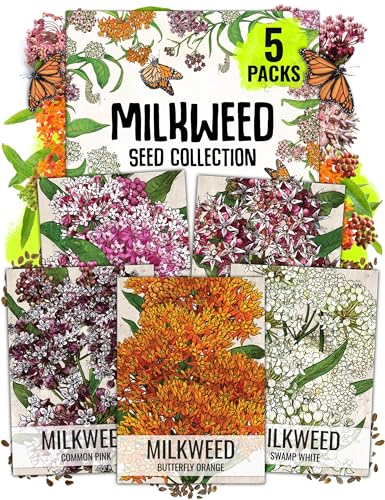
Seed Needs offers a diverse collection of milkweed seeds designed to attract pollinators and support monarchs. The assortment includes Asclepias speciosa (Showy Milkweed), Asclepias incarnata varieties, Asclepias tuberosa, and Asclepias syriaca. This mix provides both nectar sources for adult monarchs and foliage for caterpillars, helping sustain the monarch life cycle and local biodiversity. The seeds are suited for gardeners who want a ready-to-plant mix and increased likelihood of successful establishment in varied American garden conditions.
Gardeners Basics Milkweed Seeds (4 Variety Pack)
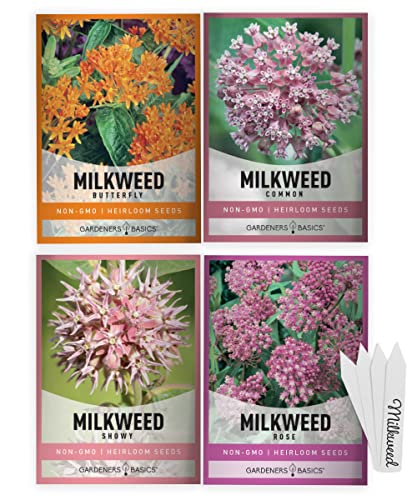
The Gardeners Basics set provides four types of milkweed seeds—rose, butterfly, common, and showy—forming a compact yet diverse seed mix. This variety enhances monarch habitat, since different life stages and regional conditions may favor different milkweed species. The pack is marketed for attracting butterflies and supporting pollinators, with a focus on easy cultivation in home gardens. It can help establish a robust, ongoing nectar and larval food source for monarchs across multiple growing seasons.
Monarch Butterfly Rescue Wildflower Seed Packet

This wildflower seed packet centers on monarch-friendly habitat creation with open-pollinated, non-GMO seeds. The product emphasizes monarch attraction through a diverse blend that includes both wildflowers and milkweed, backed by seed quality guarantees and planting instructions. It positions itself as a trusted source with years of experience, aiming to help gardeners establish a resilient prairie- or meadow-style habitat that supports monarch caterpillars and pollinators.
Showy Milkweed Seeds For Planting — Asclepias Speciosa
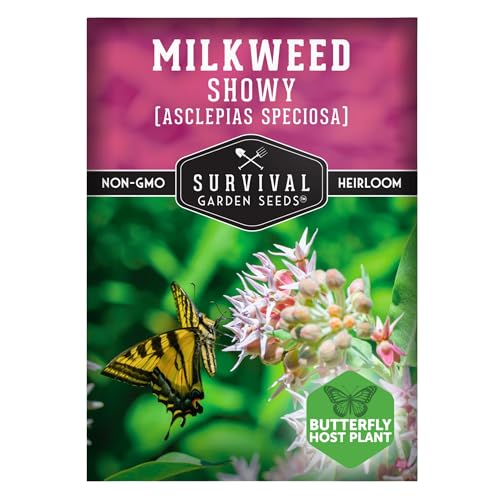
Showy Milkweed (Asclepias speciosa) seeds offer a drought-tolerant native option ideal for monarch host plant gardens. This heritage, non-GMO seed is tailored for USDA zones 3-9 and supports monarch larvae with reliable foliage. The blooms bring pink-purple fragrance that attracts pollinators, making it a versatile choice for prairie restoration, pollinator borders, and butterfly gardens while requiring relatively low water once established.
Generic Pink Milkweed Live Plants — Pack of 2

These pink milkweed live plants provide an immediate choice for gardeners who prefer established specimens over seeds. The plants are described as secure-packed and ready to thrive, with strong appeal to monarchs and other pollinators. The pink blossoms offer visual interest while delivering a reliable larval food source. They suit garden borders, pollinator habitats, and container plantings in suitable climates, helping to quickly establish monarch-friendly habitat.
HOME GROWN Monarch Butterfly Wildflower Seeds Mix (2oz)

This 2-ounce seed mix combines non-GMO milkweed with perennial wildflowers to form a broad pollinator-friendly habitat. The product emphasizes a long blooming season, with a mix of orange, purple, yellow, and white flowers along with milkweed seeds. It’s marketed for creating butterfly meadows and gardens that attract monarchs, bees, and hummingbirds, supporting biodiversity and ongoing pollination.
Mix Milkweed Seeds For Monarch Butterflies — 6 Varieties

EquSym’s mix features six milkweed varieties for a dynamic monarch habitat. The seeds are non-GMO and heirloom, designed to deliver high germination and robust growth. The variety approach helps ensure reliable host plants for monarch caterpillars and diverse nectar sources for adults, making it suitable for backyard beds and larger pollinator gardens alike.
Monarch Butterfly Garden Kit With Milkweed Seeds

This garden kit provides a direct pathway to establishing a monarch-focused habitat. With a quarter-pound of wildflower and milkweed seeds, the kit supports perennial and annual blooms that serve both larval and adult monarch needs. The package often includes guidance or an e-book, aiding gardeners in planning for butterfly waystations and ongoing pollinator support across seasons.
Buying Guide: Key Purchase Considerations For Monarch Habitat Projects
- Monarch host plant availability: Prioritize milkweed species known to support monarch larvae in your region and soil type. Combining native and well-adapted varieties increases success across climates.
- Seeds vs. live plants: Seeds offer cost efficiency and long-term establishment but require time to germinate. Live plants provide immediate habitat but may be more sensitive to transplant shock and shipping conditions.
- Germination and growth: Look for seeds labeled as non-GMO, open-pollinated, or heirloom for greater genetic diversity and compatibility with local ecosystems. Consider drought-tolerant options for water-scarce regions.
- Bloom timing and nectar sources: A mix of milkweed and nectar-rich wildflowers ensures food for adult monarchs throughout the season, supporting migration patterns and reproduction.
- Regional suitability: Check USDA hardiness zones and plant height to plan garden layout. Taller varieties near borders and shorter species in front beds optimize light exposure and accessibility for pollinators.
- Maintenance needs: If you prefer low maintenance, select drought-tolerant milkweeds and perennial mixes that return yearly with minimal effort.
- Educational value: Some kits offer e-books or planting instructions that help first-time growers learn monarch biology and habitat creation best practices.
- Environmental impact: Favor seed sources that emphasize local adaptation, pollinator-friendly practices, and avoidance of invasive or non-native species in sensitive regions.