Growers seeking vibrant, long-lasting blooms can leverage specialized plant foods tailored for flowering. This guide highlights five top options designed to support flowering plants—from orchids and violets to garden annuals and leafy accompaniments. Each product emphasizes organic or balanced nutrition to encourage vigorous blooming, lush foliage, and healthy roots. Read on to compare formulas, usage tips, and what to consider when choosing bloom-focused plant foods for your home or garden.
Summary Table: Selected Bloom-Focused Products
| Product | Brand | Key Focus | Typical Use |
|---|---|---|---|
| Espoma Organic Orchid! 8-Ounce Concentrated Plant Food | Espoma Store | Orchids and bromeliads bloom booster | Every 2–4 weeks |
| Maxsea Bloom Plant Food 1.5 lb | Bloom phase growth | During flowering | |
| Espoma Organic Violet! 8-Ounce Concentrated Plant Food | Espoma Store | Violets and indoor flowering plants | Every 2–4 weeks |
| Espoma Organic Bloom! 16-Ounce Concentrated Plant Food | Espoma Store | All flowering plants | Throughout growing season |
| Liquid Plant Food – Hydroponics Nutrients | GARDENWISE Store | Hydroponics and aero nutrient systems | Regular feeding for all systems |
Espoma Orchid Food For Blooms

Espoma Organic Orchid! provides liquid nutrients tailored for orchids and bromeliads, offering organic components to encourage robust flowering while remaining safe around kids and pets. The feeding instruction is straightforward: mix ½ cap per quart of water and water the plant, drenching the soil. For best results, apply every 2–4 weeks. This product emphasizes essential nutrients to support bloom development and overall plant health, with label details listing all ingredients. Suitable for Phalaenopsis, Dendrobium, and other orchids, as well as related tropical flowering varieties.
Maxsea Bloom Plant Food

Maxsea Bloom Plant Food is formulated to support the bloom phase of flowering plants. While the product listing emphasizes its role during flowering, it is designed to help transition plants into and sustain robust bloom cycles. Use according to product directions to supply nutrients that promote flowering while supporting overall plant vigor. This option is especially suitable for gardeners focusing on a dedicated bloom period in their plant care routine.
Espoma Organic Violet Bloom Booster
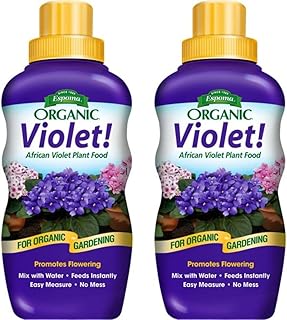
Espoma Organic Violet! is a bloom-focused fertilizer tailored for violets and indoor flowering plants. It provides organic nutrients that support vigorous growth and abundant blooming, with simple instructions: mix ½ cap per quart of water and water thoroughly. For best results, apply every 2–4 weeks. The product emphasizes safe, plant-friendly nutrition and aims to sustain continuous flowering in indoor environments while being safe around households with kids and pets.
Espoma Organic Bloom! Liquid Lawn-Flower Booster

Espoma Organic Bloom! is a comprehensive bloom booster suitable for a wide range of flowering plants, including annuals, perennials, and container-grown specimens. Its liquid concentrate contains natural proteins enhanced with kelp extracts and humic acids, delivering a balanced 1-3-1 N-P-K ratio. Users are advised to apply every 2–4 weeks throughout the growing season by mixing with water according to directions. This option supports vigorous growth and robust flowering while maintaining soil and plant safety.
Note: The listed products vary in approach—from orchid-specific formulas to violet and general flowering plant boosters. All are designed to promote blooming, but verify compatibility with your plant species, potting mix, and irrigation method before application. The following buying guide highlights key considerations for selecting bloom-focused plant foods.
Buying Guide
- Choose a formula aligned with your plant group. Orchids often respond to specialized orchid foods, while violets and general flowering plants benefit from balanced bloom boosters.
- Organic options (such as Espoma products) emphasize safer, slow-release nutrition and suitability for households with children and pets, while synthetic blends may provide rapid, targeted adoption of nutrients during peak bloom.
- For flowering emphasis, look for balanced or bloom-oriented ratios (often higher phosphorus to support flower development) and consider chelated micronutrients for better uptake in varying soils.
- Most bloom foods are designed for bi-weekly to monthly use during active growth. Consistent application coinciding with the plant’s blooming cycle helps sustain flower production.
- Hydroponic and soil-based systems may require different formulations. Hydroponics-focused products typically include chelated micronutrients to improve uptake in inert media.
- Always follow label directions. Observe plants for signs of nutrient excess (leaf tip burn, leaf yellowing) and adjust frequency or concentration accordingly.
- In containers, feeding frequency and dilution are particularly important to avoid salt buildup. For outdoor gardens, align feeding with weather patterns and growth stages to maximize bloom.
- While blooming is the primary goal, select a formula that also supports root health and foliar vigor to sustain flowering year after year.