Finding the right fence for garden protection, animal containment, and property boundaries requires evaluating material durability, mesh size, and installation practicality. The following selections emphasize welded wire fencing and versatile plastic mesh options suited for American yards, farms, and construction perimeters. Each product is chosen for durability, ease of use, and broad utility—from securing vegetable plots to marking property lines. Below, a concise buying guide and five detailed product sections help compare features and applications.
| Product | Material | Mesh/Size | Best For |
|---|---|---|---|
| YARDGARD – 2×3 Welded Wire Fence | Galvanized Steel | 2″ x 3″ | Animal enclosures, garden protection |
| YARDGARD – 2×4 Welded Wire Fence | Galvanized Steel | 2″ x 4″ | Property boundaries, enclosures |
| Houseables Fencing, Temporary Snow Fence | Green Plastic Mesh | 4×100 ft roll | Temporary yard and garden barriers |
| PotatoLife Plastic Mesh Fence | UV‑Resistant Plastic | 4″x100 ft | Reusable outdoor fencing |
| Preboun Plastic Mesh Fence Roll | Plastic Safety Fence | 2″ x 164 ft | Temporary construction and garden barriers |
These options cover metal and plastic fencing to suit different climates, installation preferences, and project scopes. Consider whether you need long-term durability for property boundaries or flexible, removable fencing for seasonal garden work or construction sites.
YARDGARD 2×3 Welded Wire Fence For Enclosures

Overview: A heavy-duty 16-gauge galvanized steel welded wire fence with a 2×3 inch mesh design offers secure containment while maintaining visibility and airflow. The rust-resistant coating enhances longevity in outdoor environments, making it suitable for animal enclosures, garden borders, and utility perimeters. The fence is built to resist sagging and withstand harsh weather, delivering dependable structure for longer-term fencing needs.
Key considerations: The 2×3 mesh balances containment with visibility, helping monitor animals and garden beds without creating significant visual barriers. The 16-gauge wire contributes strength, and galvanization reduces corrosion risk. This option suits yards needing durable, low-maintenance fencing that can endure seasonal weather variations.
Best use cases: Animal containment for small to medium pets, garden boundaries, light-duty property borders, and general yard protection. It is particularly effective where airflow and line-of-sight are important, such as around vegetable plots or chicken coops. Installation typically involves mounting on posts or existing structures, with options to cut panels to fit irregular shapes.
YARDGARD 2×4 Welded Wire Fence For Boundaries
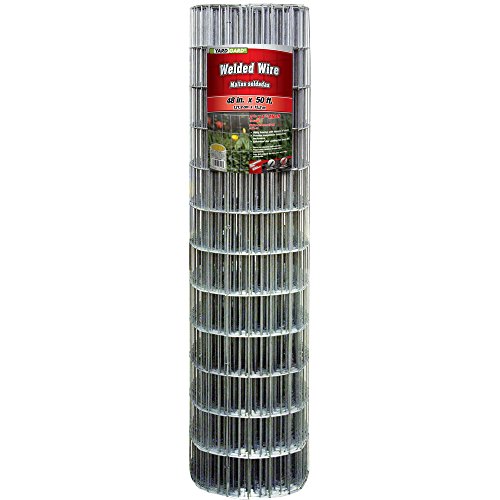
Overview: This 14-gauge galvanized steel fence uses a sturdy welded wire design with a 2×4 inch mesh, ideal for property boundaries and animal enclosures. The Class 1 zinc coating provides enduring corrosion resistance, and the robust construction helps the fence maintain its shape under wind and pressure. Its larger mesh size allows easier visibility while providing reliable containment.
Key considerations: The thicker 14-gauge wire improves rigidity, making it well-suited for longer spans and higher stress areas such as around larger yard sections or garden borders. It’s a good choice when you need a durable, semi-permanent solution that can withstand exposure to the elements without frequent maintenance.
Best use cases: Property demarcation, pet containment, and garden protection where a more substantial barrier is beneficial. It can be paired with standard fence posts and hardware for a clean, professional look across longer fence lines.
Houseables Plastic Fencing Roll For Temporary Barriers

Overview: A lightweight, green plastic mesh roll designed for temporary fencing needs around gardens, snow barriers, or dog containment. It’s described as simple to install and remove, and it offers easy visibility for yard work and construction tasks. The fencing is marketed as a safety netting solution suitable for quick barriers and crowd control in outdoor spaces.
Key considerations: Plastic fencing provides flexibility and rapid deployment but may require staking or post support to prevent sagging in windier areas. Its lightweight nature makes it a practical option for short-term needs or seasonal applications, with easy storage between uses.
Best use cases: Temporary garden fencing, snow and construction barriers, pool or yard safety perimeters, and surfaces requiring non-permanent protection. When long-term durability is not essential, plastic fencing can be swapped between projects with minimal effort.
Preboun 2×164 ft Plastic Mesh Fence Roll

Overview: A long plastic safety fence roll measuring 2 feet by 164 feet, designed for temporary construction barriers, animal containment, and garden fencing. The mesh openings are sized to allow airflow while preventing larger animals from passing through. The roll is UV-resistant and suitable for outdoor weather conditions, ensuring flexible use across projects.
Key considerations: With its extensive length, this option supports larger perimeters or long garden borders without frequent resewing or re-rolling. It’s best used with posts or stakes to prevent sagging and maintain a taut barrier in windy environments.
Best use cases: Temporary fencing for construction sites, poultry and small animal barriers, garden edge protection, and pool or play areas requiring a removable boundary solution.
PotatoLife Plastic Mesh Fence 4×100 Roll (Black)

Overview: A black UV-resistant plastic mesh fence roll, 4 feet high and 100 feet long, suitable for temporary garden barriers, poultry netting, and construction safety fencing. The product emphasizes reusability and weather resistance, making it a practical, lower-cost solution for short- to medium-term projects.
Key considerations: The dark color blends well with outdoor surroundings, and the UV resistance helps prolong life in sun-exposed areas. Unlike metal fencing, it’s lighter and easier to handle, but it may not offer the same structural rigidity for long-term installation.
Best use cases: Temporary garden perimeter, pool or deck safety boundaries, or quick enclosures for pets and small livestock in favorable weather conditions.
AVELOTUUG 45-Ft Decorative Garden Fence Panels

Overview: A set of decorative arched garden fence panels designed to provide a stylish border while deterring digging. The 45-foot total length includes 32 panels, offering an extended perimeter with a visually appealing arched silhouette. This option blends aesthetics and function for flower beds, edging, and yard borders.
Key considerations: The arched design adds visual appeal and can serve as a garden accent while forming a barrier. It may require no-dig or light-assembly methods depending on installation preferences, and the metal construction provides stronger rigidity than lightweight plastic options.
Best use cases: Garden edging, pet barriers around flower beds, and decorative yard boundaries that benefit from both form and function.
Buying Guide: Key Purchase Considerations And Comparisons
When choosing garden and utility fencing, consider these dimensions to match needs with materials:
- Durability: Metal welded wire fences offer long-term strength and rigidity, while plastic mesh fences are lightweight and easy to move for seasonal projects. Evaluate climate, pest pressure, and wind exposure.
- Mesh Size And Height: Smaller mesh provides tighter containment but can reduce airflow and visibility. Taller panels deter digging and climbing; shorter sections can suffice for vegetable plots or chicken coops.
- Installation And Maintenance: Plastic fences typically install quickly and remove without tools, whereas metal fences may require posts, fasteners, and occasional rust prevention measures.
- Reusability: Reusable fencing reduces waste and cost over time. Plastic rolls that survive multiple seasons offer flexible application across tasks (gardening, construction, snow fencing).
- Aesthetics And Visibility: Decorative panels add curb appeal but may be less practical for certain containment needs. Consider whether the fence should blend with landscape or stand out for safety.
- Budget and Longevity: Initial cost often correlates with durability. Heavy-gauge metal fencing tends to outlast plastic, but plastic options can be ideal for temporary projects or light-duty fencing.
- Install Footprint: Evaluate available posts, stakes, and anchor points. No-dig or lightweight installation methods can speed up setup but may influence wind resistance and stability.
Overall, the best fencing choice depends on whether your priority is durability and long-term yard boundaries (metal welded wire) or flexibility and ease of deployment for seasonal needs (plastic mesh). For mixed-use spaces—gardens, pets, and perimeters—combining panels (for longer fences) with temporary plastic barriers (for seasonal tasks) offers robust coverage without locking you into a single solution.