Austrian winter peas are a hardy, nitrogen-fixing option for cover cropping in home gardens. They thrive in cool temperatures, improve soil structure, and can provide late-season harvests in some setups. This guide reviews select Austrian pea cover crops from trusted brands, highlighting germination, planting, and soil-benefit details to help you choose the right blend for your beds. The following table summarizes five strong choices and their core benefits.
| Product | Key Benefit | Ideal Zone |
|---|---|---|
| Sow Right Seeds – Austrian Winter Peas | Nitrogen fixation; drought-tolerance; edible late-season pods possible | USDA 6–10 |
| Outsidepride – Austrian Winter Peas Seeds (10 lbs) | High canopy height; erosion control; robust for large plots | USDA 6–9 |
| Outsidepride – Austrian Winter Peas Seeds (1 lb) | Compact option; quick ground cover; good for smaller beds | USDA 6–9 |
| Mountain Valley Seed Company – Austrian Field Pea Cover Crop (25 Lbs) | Very large seed lot; strong nitrogen fixer; open-pollinated | General garden use |
| Mountain Valley Seed Company – Austrian Field Pea Cover Crop (5 Lbs) | Smaller bag; similar benefits; easy to source for mid-sized plots | General garden use |
Sow Right Seeds Austrian Winter Peas

This packet provides a large premium supply designed for cover cropping in home vegetable gardens. The seeds are winter-hardy and drought-tolerant, suitable for off-season soil protection. The packet size is enough to cover about 8′ x 4′ of garden bed space, with a minimum seed count of roughly 200 seeds. Germination occurs in 7–14 days when soil temperatures reach 55–70°F, and recommended planting depth is 1.5 inches with 6 inches between plants in full sun. The plant will rise 2–3 feet tall and spread 6–18 inches, producing pods in 200–210 days if conditions allow, potentially adding late-season edible pods for experienced gardeners. As a cover crop, Austrian Winter Peas contribute nitrogen fixation and organic matter, offering a straightforward approach to soil health and year-to-year garden maintenance.
Key considerations: This option suits gardeners wanting a robust, deep-rooting legume with the potential dual benefit of late-season harvests. It thrives in USDA zones 6–10 and tolerates cool spells, but successful rotation planning should consider frost dates and the transition timing into the following crop. It is non-GMO and heirloom in seed lineage, which appeals to gardeners seeking traditional varieties.
Outsidepride Austrian Winter Peas Seeds – 10 lbs

Austrian winter peas from Outsidepride emphasize cold-hardiness and strong nitrogen fixation for soil health. The 10-pound bag is designed for larger plots and field-like applications, suitable for fall planting in raised beds, food plots, and vegetable gardens. The crop grows to 3–5 feet with pale green foliage and pink blossoms, forming a dense canopy that aids erosion control and provides forage value as needed. The variety tolerates frost and moderate drought, making it a resilient option for cool-season cycles. For planting, prepare loamy, well-drained soil and avoid standing water to maximize establishment and biomass production. This seed stock is appropriate for growers seeking a dependable cover crop that also contributes organic matter to the soil profile.
Germination is typically rapid in cool fall conditions, and the plants can stay productive through winter in milder climates. As with other legumes, nitrogen fixation helps reduce synthetic fertilizer needs in subsequent crops. Gardeners should consider integrating this cover crop with other cool-season species to create a diverse green manure system.
Outsidepride Austrian Winter Peas – 1 lb
This smaller bag mirrors the larger option’s benefits but in a compact quantity ideal for small beds or trial plots. The seeds germinate in cooler soil, and the plant growth reaches a similar 3–5 feet with a dense canopy to suppress weeds and reduce soil erosion. It remains a solid choice for gardeners who want to test Austrian winter peas in a few beds before committing to larger-scale planting. Like other cool-season legumes, they contribute nitrogen to the soil and improve tilth when incorporated as green manure.
Planting guidance aligns with the larger quantity: sow in well-drained soil, 1.5 inches deep, 6 inches apart, and ensure adequate sun exposure. Expect a mid-to-late spring transition when preparing beds for warm-season crops, as the cover crop lightens soil and adds organic matter through decomposition.
Mountain Valley Seed Company – Austrian Field Pea Cover Crop (25 Lbs)

This bulk option from Mountain Valley Seed Company is tailored for large plots and farm-scale applications. The seeds are non-GMO and open-pollinated, totaling around 25 pounds and roughly 45,000 seeds. It’s suitable for serious soil-building projects, where heavy nitrogen fixation and biomass production are priorities. The product lines are designed to provide long-term soil benefits, enabling rotation strategies and cover-crop diversity in extensive garden spaces or small farms. This option is ideal for growers wanting a robust winter-hardy legume that can be tilled under to add substantial organic matter and improve soil tilth.
When planning, consider how this batch will fit within a seasonal rotation—the amount supports wide bed coverage and extended green manuring, especially in zones with mild winters and extended growing seasons. This seed stock emphasizes reliability, germination, and soil-building value across multiple planting cycles.
Mountain Valley Seed Company – Austrian Field Pea Cover Crop (5 Lbs)
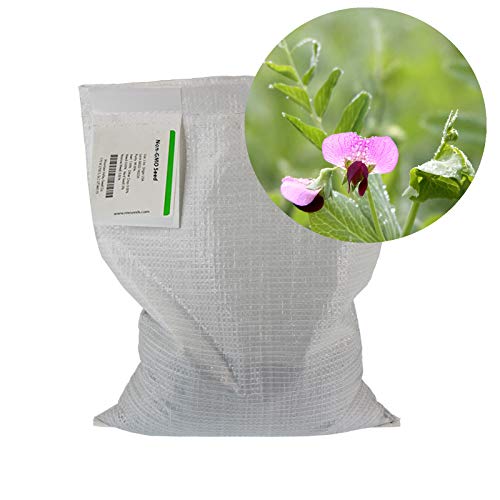
This mid-sized bag mirrors the larger batch in genetic makeup and purpose but is sized for medium plots. The seed count is around 9,000 seeds, geared toward gardeners who want a manageable amount to seed several beds or a larger single area. The seeds are non-GMO and open-pollinated, designed for nitrogen fixation and soil improvement. It’s suitable for fall planting in zones that experience cool autumn and winter conditions. The product provides a straightforward route to soil health, enabling weed suppression, erosion control, and enrichment of organic matter when tilled into the soil later in the season.
Gardeners should coordinate planting with other cool-season crops to maximize biodiversity and reduce risk of nutrient competition. This option pairs well with other cover crops like crimson clover or mustard in staggered beds to create a diverse green manure strategy.
Sow Right Seeds – Cover Crop Collection (Austrian Winter Pea, Yellow Mustard, Crimson Clover)

This trio pack combines Austrian Winter Pea with complementary cover crops to maximize soil health benefits. The collection focuses on improving soil structure, preventing erosion, and suppressing weeds through a diverse canopy. Each seed type is non-GMO and heirloom, offering gardeners a range of landscaping and soil-building utilities in one purchase. The included seeds are provided with planting instructions designed to help users optimize germination and growth, particularly in home gardens seeking an affordable, all-in-one solution for cover cropping.
Use cases include fall planting to protect beds over winter, and late spring termination to prepare for warm-season crops. The combination of pea, mustard, and crimson clover supports nitrogen contribution, weed suppression, and soil organic matter increase, creating a well-rounded soil health program across different bed zones and sunlight exposures.
Mountain Valley Seed Company – Austrian Field Pea Cover Crop Seed 1 Lb

This 1-pound bag from Mountain Valley Seed Company is designed for small-to-medium plots and is described as nitrogen-fixing, cold-hardy, and capable of serving as green manure. The seeds are non-GMO and open-pollinated, making them suitable for growers who prefer traditional seed lines with predictable performance. The winter annual regrowth and soil-building attributes make this an adaptable choice for those implementing a cover crop program that targets soil tilth improvement, erosion control, and long-term fertility. Plan for incorporation as green manure after establishment to realize biomass benefits.
Buying Guide: Key Considerations For Choosing Austrian Peas Cover Crop
- Climate and zone compatibility: Austrian winter peas thrive in cooler climates and are generally well-suited to USDA zones 6–10. If you experience prolonged heat, plan for fall planting and timely termination to prevent bolting.
- Soil readiness and drainage: For best results, start with well-drained, loamy soil. Heavy clay or overly wet soils may impede establishment; consider混ading with drainage improvements or choosing slightly earlier fall planting windows.
- Nitrogen fixation and biomass: The primary soil health benefit is nitrogen fixation and organic matter addition. For best effect, terminate or incorporate the cover crop before it becomes overly mature, allowing biomass to contribute to soil structure without competing with the next crop.
- Seed quantity and plot size: Large bags are cost-effective for big plots, while small bags are suitable for trial beds or limited spaces. Calculate bed area to match seed coverage recommendations (8′ x 4′ per large packet is common in many offerings).
- Additional uses: Some Austrian winter peas may produce edible pods in late fall in certain climates, offering a supplemental harvest. If this matters for your garden plan, select varieties that mention edible pods or extended harvest windows.
- Compatibility with rotations: Use Austrian peas in rotation with warm-season crops to maximize soil health benefits. Pair with other cover crops like mustard, crimson clover, or rye to diversify soil inputs and nutrient dynamics.
- Non-GMO and heritage status: If seed source matters, note which brands offer non-GMO, heirloom, or open-pollinated options to match your gardening philosophy.
Across these options, the overarching goal is to establish a reliable, nitrogen-fixing cover crop that builds soil organic matter, suppresses weeds, and reduces erosion. Plants that germinate quickly and establish a dense canopy typically perform best in home garden settings, while bulk seeds suit larger plots and farm-scale projects. By choosing a mix of products or experimenting with a small test bed, gardeners can tailor a cover crop program to their climate, soil type, and crop rotation strategy.