Choose resilient palms and subtropicals that thrive across a range of climates and landscape styles. This guide highlights five hardy options ideal for patios, borders, and tropical-inspired yards. Each entry includes growth habits, care needs, and where to place them for best performance in American gardens.
| Product | Brand | Key Benefit |
|---|---|---|
| American Plant Exchange Windmill Palm – 4-Inch 3-Pack | American Plant Exchange | Cold-hardy, container-friendly, multi-pack value |
| Windmill Palm in 3 Gal. Grower’s Pot | PERFECT PLANTS | Low-maintenance, drought-tolerant, very cold-tolerant |
| American Plant Exchange Windmill Palm Tree – 4-Inch Pot | American Plant Exchange | Easy-care tropical look, versatile outdoor use |
| Pygmy Date Palm Tree – Phoenix Roebelenii | Eureka Farms | Tropical elegance, drought-tolerant, suitable for containers |
| Sylvester Date Palm – Phoenix Sylvestris Robusta | Eureka Farms | Cold hardy, striking silvery-blue fronds, low maintenance |
Windmill Palm Trio: Cold-Hardy Outdoor Palms For Patios

The Windmill Palm is a compact, fan-shaped palm that adds tropical appeal to entryways, patios, and landscape borders. This hardy palm tolerates cooler temperatures and can be grown in containers, making it suitable for decks and courtyards. With slender trunks and lush green fronds, it creates a bright focal point while resisting winter fluctuations in USDA zones 7–11. Regular watering during dry spells supports steady growth, and placement in partial sun helps preserve the palm’s vibrant foliage.
Care considerations: ensure good drainage in pots, avoid overwatering, and provide protection from strong winter winds if growing in cooler areas. This trio option emphasizes value and ease of use, ideal for gardeners seeking instant tropical ambiance with less maintenance.
Windmill Palm In 3 Gal. Grower’s Pot

This Windmill palm offers a low-maintenance tropical aesthetic and strong cold tolerance, making it a solid choice for landscapes that endure tough winters. Its drought tolerance supports water-conscious gardening, and the 3-gallon size fits well in established beds or larger containers. It can be installed as a focal point along a walkway, near a pool area, or in a sunny courtyard where reflective heat is not excessive. For best results, plant in nutrient-rich soil and maintain even moisture during establishment.
Windmill Palm Tree – 4-Inch Pot
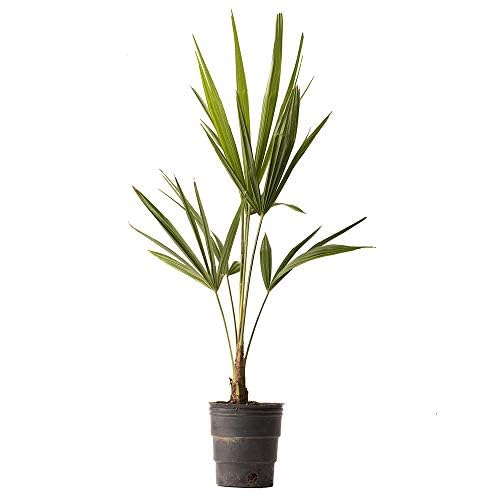
This singular windmill palm emphasizes resilience and easy maintenance for outdoor landscapes, gardens, and patios. Ideal for beginners, it thrives in USDA zones 7–11 and adapts to various soil types with good drainage. The palm’s compact form suits front entries and decorative pots, while its drought tolerance supports extended dry spells common in suburban settings. Regular pruning removes any damaged fronds and maintains a tidy look in mixed plantings.
Pygmy Date Palm Tree – Phoenix Roebelenii

The Pygmy Date Palm is a classic tropical accent with feathery fronds and a slender trunk. It’s well-suited for patios, entryways, and container gardens due to its modest size and drought tolerance. Farm-grown care supports strong root systems and healthy growth. While adaptable to various soils, it prefers well-drained conditions. This palm adds a refined, elegant silhouette to landscapes, enhancing architectural lines in modern and traditional settings alike.
Sylvester Date Palm – Silver-Frond Accent

The Sylvester Date Palm features striking silvery-blue fronds that provide a bold focal point in any yard. It tolerates cold temperatures down to near-freezing conditions, broadening its suitability for northern landscapes seeking tropical flair. This palm is low-maintenance, though occasional pruning keeps fronds neat and encourages air circulation around the crown. Its robust growth and dramatic appearance make it a standout in larger beds, courtyards, or as a specimen near pathways.
Buying guide: Key considerations for hardy palms and subtropicals
- Climate compatibility: Check USDA hardiness zones for each palm and match them to your location’s winter lows. Some varieties tolerate near-freezing temperatures, while others prefer milder winters.
- Sun and soil needs: Most windmill and date palms prefer full sun but can tolerate partial shade. Ensure well-draining soil, especially in pots, to prevent root rot and leaf burn.
- Watering and drought tolerance: While many are drought-tolerant once established, new plantings need consistent moisture. Consider drip irrigation or soaker hoses for efficiency.
- Container vs. in-ground: Containers allow seasonal mobility and outdoor year-round display in milder climates, but root confinement can affect growth rate. In-ground planting offers steadier moisture and sturdier anchoring.
- Maintenance schedule: Pruning dead fronds, fertilization timing, and pest monitoring help sustain appearance and health. Avoid heavy pruning that reduces canopy density.
- Aesthetic role: Use palms to create vertical accents, frame entryways, or complement tropical garden designs. Pair with contrasting foliage to emphasize texture and color.
- Growth expectations: Palm size and growth rate vary by species and environment. Plan for eventual height and spread to avoid encroachment on structures or nearby plants.