Home orchards benefit from grafting and multi-variety planting, allowing pollination diversity, staggered harvests, and resilience against pests. The following selections focus on graft-friendly, dwarf-friendly, and adaptable apple varieties that suit American gardens and container setups. Each entry includes key growing tips and what to expect from these trees in your yard or orchard space.
Summary Of Chosen Products
| Product | Brand | Key Benefit | Typical Spacing |
|---|---|---|---|
| Honeycrisp Apple Fruit Tree, Dormant Bare Root Starter | GURNEY’S | Well-known crisp fruit; reliable harvests | 6–8 ft apart |
| Double Delicious 2-in-1 Apple Dormant Bare Root Starter | GURNEY’S | Two varieties on one tree; space-saving | 16 ft apart |
| McIntosh Apple Fruit Tree, Dormant Bare Root Starter | GURNEY’S | Classic eating quality; easy to grow | 6–10 ft apart |
| Granny Smith Apple Tree, 5 gal | Generic | Tart, versatile culinary and fresh eating | 12–15 ft mature |
| Tasty Red Fruit Snacks Columnar Apple Fruit Tree | GURNEY’S | Compact, columnar growth; bright red fruit | 2–4 ft tall (starter) |
Honeycrisp Apple Fruit Tree For Grafting And Multi-Variety Harvests

The Honeycrisp variety remains a top choice for home orchards due to its crisp texture and sweet-tart flavor. This dormant bare root starter tree is designed for graft-friendly layouts and can be a focal point in a small orchard. Space trees approximately 6 to 8 feet apart to ensure good air circulation, root establishment, and sunlight exposure. Plant in well-drained, deep soil that is reasonably fertile to support robust growth. Expect late-season blooms with fruit maturing in early September, providing a reliable fall harvest window for fresh eating and storage experiments.
Double Delicious 2-in-1 Apple Dormant Bare Root Starter

This innovative 2-in-1 offering combines two apple varieties on a single tree, maximizing varieties in a compact footprint. The dormant bare root starter size typically ranges from 2 to 4 feet tall, making it suitable for early grafting experiments or establishing a multi-variety apple system in limited spaces. Space plants approximately 16 feet apart for best results, and use well-drained, enriched soil to promote healthy root growth and strong scaffold growth for future grafts. This option aligns well with gardeners exploring grafting strategies and diverse harvests on one rootstock.
Granny Smith Apple Tree, Classic Tart Apple
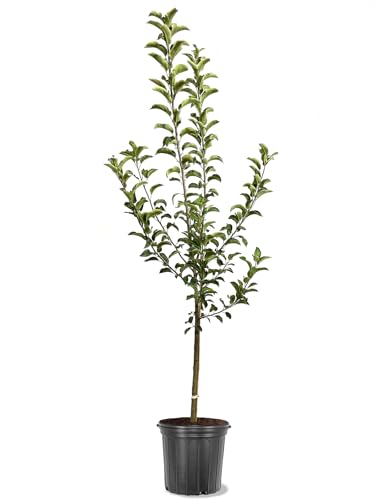
The Granny Smith variety adds a robust, tangy flavor that pairs well with sweeter apples in blended recipes. Note: Some shipments to specific states are restricted due to agricultural laws in certain regions, which may affect availability. Plants mature to substantial heights, with mature trees reaching approximately 12–15 feet. They perform best in USDA zones 5–8 and tolerate a range of climates, making them a versatile option for varied American gardens. Ensure well-planned grafting sites and cross-pollination strategies to optimize fruit set and size.
McIntosh Apple Fruit Tree, Dormant Bare Root Starter

The McIntosh apple is a staple for many American gardens, valued for its balanced sweetness and acidity. This dormant bare root starter comes with guidance for spacing, recommending 6–10 feet between trees to accommodate mature size and airflow. Grow in well-drained, moist organic soil to support steady growth and fruit production. The tree’s Malus domestica lineage makes it a reliable candidate for grafting experiments and cross-varietal exploration, offering a classic foundation for grafting projects and orchard planning.
Tasty Red Fruit Snacks Columnar Apple Fruit Tree

The columnar form offers a space-saving option for modern yards or container plantings. Despite being marketed as a tree, the variety emphasizes compact growth, making it suitable for grafting experiments in tighter spaces where a standard apple tree would not fit. Plant where it receives full sun and well-drained soil, and monitor for fruit set timing and vigor. This option suits urban gardeners seeking a decorative yet productive grafting project within a limited footprint.
Buying Guide: Key Purchase Considerations For Apple Trees And Grafting
- Space and mature size: Determine whether you want standard, semi-dwarf, or dwarf varieties. Bare-root stocks require good root establishment time, while columnar or multi-graft trees can maximize variety in small spaces.
- Grafting compatibility: Choose varieties with compatible growth habits and compatible rootstocks if you plan to graft several varieties. Two-in-one or multi-variety stock can be ideal for experimental grafting.
- Pollination and bloom overlap: Ensure you have compatible pollinators for a reliable fruit set. Some varieties require cross-pollination, while others are self-fruitful.
- Soil and climate suitability: Match varieties to your USDA zone, soil drainage, and fertility. Some varieties tolerate a wider range of soils, while others require rich, well-drained substrates.
- Maintenance and care: Consider pruning needs, irrigation, and disease resistance. Bare-root trees may require more careful watering and mulching in the first growing season.
- Regulatory considerations: Some shipments may be restricted to certain states due to agricultural laws. Always verify recipient state restrictions before purchasing.
- Cost versus long-term value: While initial costs vary, consider the long-term harvest schedule, grafting opportunities, and potential for multiple varieties from a single rootstock.
- Aesthetics and layout: Plan your orchard or garden layout to maximize sun exposure and airflow, particularly when combining grafted trees with standard varieties.
- Care plan: Establish a seasonal care routine, including winter protection for dormant roots, spring pruning, and summer feeding strategies.