Achieving a pristine, lawn-ready edge around flower beds, trees, and walkways can dramatically reduce mowing time and keep turf from creeping into borders. This guide highlights five highly-rated lawn edging products designed for easy installation, durable performance, and clean, professional-looking results—without exhausting digging or complex tools. Each option supports different yard shapes, materials, and climate conditions, helping you choose the border that best fits your landscape goals and mowing routine.
Summary of chosen products:
| Product | Brand | Height/Width | Length | Key Benefit |
|---|---|---|---|---|
| EasyFlex No-Dig Landscape Edging | EasyFlex | 2.7 in | 15 ft | Rigid with bends; quick no-dig install |
| CEWOR Garden Edging Border | CEWOR | 2 in | 50 ft | Strong hold with 48 stakes; quick setup |
| EcoBorder Black Recycled Rubber Edging | EcoBorder | 4 ft | 6 pcs | Flexible rubber; durable and eco-friendly |
| Quibbay No Dig Landscape Edging | Quibbay | 3.15 in | 50 ft | Flexible, long-lasting with spiral spikes |
| Emsco Bedrocks Trim-Free Edging | Emsco Group | Varies | 20 ft | Trim-free flange for mowing, upscale look |
EasyFlex No-Dig Landscape Edging with Anchoring Spikes

EasyFlex offers a decorative, no-dig edging option with a 2.7-inch height designed to create a clean border around raised beds, trees, and garden borders. Installation is straightforward with spikes driven into the tabs, enabling a long-lasting border without trenching. The edging supports straight runs and curves thanks to built-in spines that bend when shaping around features. The kit includes a 15-foot length that’s suitable for smaller to medium-sized landscape projects.
CEWOR Garden Edging Border
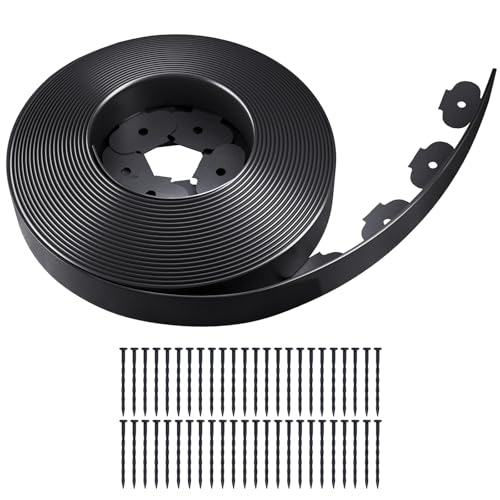
CEWOR provides a 50-foot, 2-inch landscape edging solution with 48 stakes. This setup emphasizes crisp definition for flower beds and paths, delivering a pro landscape look. The dense stake spacing helps resist wind, soil movement, and mower contact. No digging or special tools are required—uncoil, shape, and hammer stakes into the ground. Watering hard soil beforehand can ease installation, especially in compact or clay-rich earth.
EcoBorder Black Recycled Rubber 4ft Lawn Edging
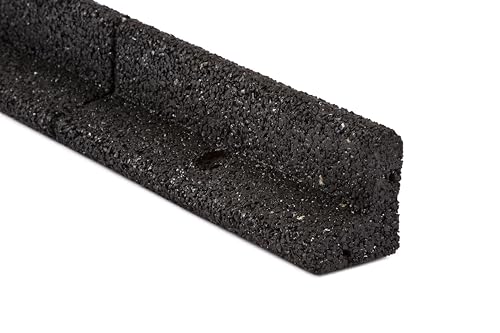
EcoBorder’s 4-foot sections are made from recycled rubber, offering flexibility and easy handling for curved borders. The L-shape design helps keep grass from creeping into beds while providing a durable, low-maintenance edge that resists wear from lawn mowing. This option is particularly well-suited for yards that require gentle curves or irregular borders in a sustainable material.
Quibbay 3.15″ x 50′ No Dig Landscape Edging

Quibbay combines a 3.15-inch height with 50 feet of edging and 75 anchoring spikes for secure installation. The plastic border is durable, resists rust, and can bend around curves without breaking. It’s easily cut to fit precise lengths and works well for edging around flower beds, pathways, tree rings, and lawns. The included spiral spikes provide strong anchoring against wind and mowing impacts.
Emsco Bedrocks Trim-Free Edging
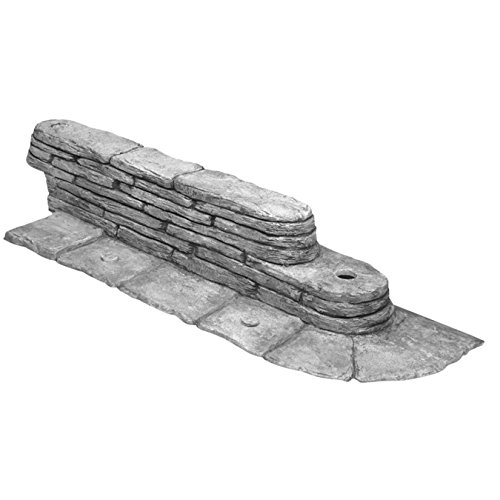
Emsco Bedrocks deliver a 20-foot package with trim-free design for mowing continuity. The edging uses a flange that remains flush against the lawn surface, reducing grass encroachment into borders and enabling smoother mower transitions. This option combines a modern slate-like aesthetic with straightforward installation, making it a practical choice for DIY landscaping projects that emphasize a tidy, upscale appearance.
Buying Guide: Key Considerations For Lawn Edging
- Installation method: No-dig versus traditional digging. No-dig borders save time and minimize soil disruption, but some profiles may require stakes for stability in loose soil.
- Material and durability: Plastic edging is lightweight and versatile but check thickness and UV resistance. Rubber edging offers flexibility and longevity in curvy designs, while polymer blends balance durability with ease of installation.
- Height and length: Taller borders reduce lawn intrusion into beds; longer lengths minimize seams. Consider the shape of your yard—curves and tree rings may benefit from flexible edging.
- Anchoring system: Spikes, stakes, and clips influence stability. Dense stake intervals improve resistance to mowing collision and soil movement.
- Aesthetic: Choose a color and style that complements your landscape—stone-look, black rubber, or slate-inspired finishes can impact curb appeal and perceived value.
- Maintenance and replacement: Some edges are easy to trim and reposition; others may require more effort to adjust over time if garden layouts change.
- Recycling and environmental impact: Rubber and certain plastics come from recycled materials; consider sustainability alongside performance.
- Compatibility with tools: If you use electric or gas mowers, ensure the edging height and profile won’t interfere with mowing or trimmer usage.
- Budget vs. project scope: For large borders, look for kits with multiple feet and included spikes to reduce total cost and complexity.
- Installation tips: For hard soils, pre-watering can ease digging and spike insertion; always follow manufacturer guidelines for stake depth and spacing.
The right lawn edging system depends on yard shape, mowing routine, and desired aesthetics. For light to moderate borders with curves, flexible edging like rubber or spiral-stake plastic variants can dramatically reduce maintenance. For formal beds and straight lines, rigid edging with tight stake spacing tends to offer crisper results and stronger mower clearance. Consider combining products—use flexible edging around curved borders and a rigid section for linear borders—to optimize both appearance and mowing efficiency.