Discover compact dwarf banana varieties that thrive in containers and small landscapes. This guide highlights five beginner-friendly Musa plants, each with easy care tips and practical growing notes. Whether you want a tropical accent for indoors or a yard-long focal point in growing zones, these starter plants help you grow edible fruit and lush foliage with minimal fuss. The table below summarizes key details to compare at a glance.
| Product | Maturity Size (approx.) | Light Needs | Hardiness Zones | Notable Benefit |
|---|---|---|---|---|
| Dwarf Cavendish Banana Plant | 8–10 ft mature | Full sun | 8–11 | Compact tropical starter for indoor/outdoor use |
| Banana Tree Dwarf Cavendish (4 Pack) | Varies, clumping growth | Full sun | Zones 9–11 suitable context | Multi-plant pack for quick tropical effect |
| Dwarf Orinoco Banana Starter Plant | 4–6 inches starter, grows tall | Bright light | 7b–11 | Cold-hardy option with edible fruit |
| Banana Tree Dwarf Musa Banana Plants | 3–4 ft indoors; 3–6 ft outdoors | Full sun | 4–11 (zone variation noted) | Versatile for containers and landscapes |
| Dwarf Namwah Musa (2 Pack) | 4–6 inch starter plants | Bright light | Various zones (heat tolerant) | Two starter plants for fast coverage |
Dwarf Cavendish Banana Plant Live Tree

The Wellspring Gardens Dwarf Cavendish Banana Plant is a compact tropical starter designed for both indoor ambiance and outdoor tropical corners. It typically reaches 8–10 feet in mature height, with recommended cultivation in well-drained, rich soil. Growth guidance emphasizes a 3:1:6 fertilizer ratio (N:P:K) and protection from freezing temperatures below 35°F. Indoor care involves moderate feeding, while outdoor care scales with plant size and seasonal temperatures. Upon arrival, buyers receive a young plant measuring 3–8 inches in a small pot, offering a quick path to tropical foliage and eventual fruit production under proper care.
Ideal for urban dwellers seeking a tropical focal point, this plant adapts to patios and sunlit interiors. Regular irrigation that keeps soil evenly moist (not waterlogged) supports steady growth. Fertilization should be tailored to container size and seasonal activity. The product’s compact root system makes it suitable for limited spaces while still providing lush visuals and potential fruit with ongoing maintenance.
Banana Tree Dwarf Cavendish (4 Pack)

This 4-pack from Fam Plants Store focuses on sustainability through home-grown fruit. The product emphasizes edible yield and ornamental appeal, highlighting bananas packed with potassium, vitamin C, and dietary fiber. Growing these plants supports a self-sufficient lifestyle and adds tropical ambiance to gardens, patios, or balconies. While the package centers on fruit production, environmental benefits and visual impact make them suitable for landscape design, especially in sunny, well-drained sites. Beginners can start with one plant and expand as confidence grows.
Dwarf Orinoco Banana Starter Plant
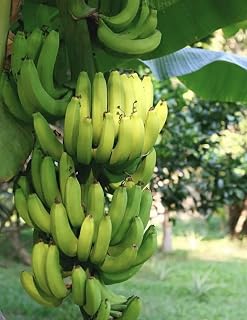
The Dwarf Orinoco Banana Starter Plant is a cold-hardy Musa with a compact 4–6 inch starter size. It can tolerate zones as low as 7b, expanding growing options for cooler climates. This variety promises delicious, silky-sweet bananas with subtle strawberry undertones, combining edible fruit with resilient performance. Buyers receive a young plant without a pot and can expect gradual growth into a taller, leafy plant in favorable conditions. For best results, provide bright light and consistent moisture, and protect against frost in borderline zones.
Banana Tree Dwarf Musa Banana Plants

This dwarf Musa live plant is described as easy to grow for edible fruit and ornamental use. Indoors, it can produce small clusters of sweet bananas in zones 4–8, while outdoors it thrives in zones 9–11. Full sun supports robust growth, with container sizes often ranging 12–16 inches in diameter. A practical care tip is to move indoors before the first frost in cooler climates and to ensure proper drainage to prevent root issues. This plant blends practical fruit production with striking foliage for diverse garden designs.
2 Dwarf Namwah Musa Live Starter Plants

The Dwarf Namwah Musa variety, also known as Ladyfingers, offers two starter plants sized at 4–6 inches. This cultivar is described as quick-growing with tolerance to heat and cold, expanding cultivation possibilities across multiple climate zones. The presence of two starter plants allows faster establishment and dense tropical visuals. As with other Musa plants, provide bright light, well-drained soil, and regular feeding during the growing season. Monitored moisture and frost protection help sustain growth and fruiting potential in suitable environments.
Buying Guide: Key Purchase Considerations
- Hardiness and climate: Musa varieties differ in zones they tolerate. Choose a cultivar that aligns with your local winter temps and microclimate.
- Container versus in-ground: Dwarf banana plants are well-suited for large containers, patios, or small landscape beds. Ensure containers have drainage and are heavy enough to prevent tipping in wind.
- Light and soil: Most varieties require bright, full sun for best growth. Use rich, well-drained soil and be mindful of nutrient needs; balance fertilizer use with container volume and seasonality.
- Watering and humidity: Bananas prefer evenly moist soil. Avoid waterlogging. In indoor settings, increase humidity through misting or placing pots on humidity trays.
- Fruit timing and expectations: Some cultivars are grown primarily for ornamental foliage; fruiting can be possible with optimal conditions but is not guaranteed in all climates.
- Maintenance and growth pace: Expect gradual establishment in the first year. Regular pruning is usually minimal but may be needed as plants mature or to maintain container size.
- Propagation options: Some products are sold as starter plants or in small clusters; consider how you want to expand your grove—whether by purchasing additional starter plants or propagating from existing ones when appropriate.
- Pest and disease awareness: Monitor for common issues like spider mites, aphids, or root rot, especially in containers. Use appropriate organic or chemical controls as needed and follow label instructions.