Discover top pine tree seeds for landscaping, edible nut production, and backyard resilience. This guide highlights five well-reviewed options, detailing growth traits, climate suitability, and care tips to help you select seeds that fit American gardens and patios.
| Product | Brand | Key Benefit | Ideal Climate |
|---|---|---|---|
| TomorrowSeeds – Stone Pine Tree Seeds | TomorrowSeeds | Umbrella canopy and edible pine nuts | Warm, dry regions; drought-tolerant |
| Coulter Pine | Small Tree Seedling | The Jonsteen Company | Heavy cones; seed-grown on California coast | Coastal to Mediterranean climates |
| TreesAgain Ponderosa Pine Tree | TreesAgain | Established Ponderosa Pine variety for home gardens | Varied North American climates |
| White Pine Bonsai Tree Seeds (30 Seeds) | CZ Grain | Fresh seeds in a convenient packet | American indoor/outdoor microclimates |
| Pinus Eldarica (Afgan Pine) Tree Seeds | MySeeds.Co | Hardy, adaptable, versatile landscape pine | Drought-tolerant, varied soils |
TomorrowSeeds Stone Pine Tree Seeds

These seeds offer a distinctive umbrella-shaped canopy, which adds elegance to landscapes while providing edible pine nuts, a culinary bonus for homes or patio gardens. The variety is noted for thriving in warm, dry climates and becoming drought-tolerant once established, making it a practical choice for arid American regions. Propagation is straightforward for gardeners with patience for tree establishment, and the edible aspect adds a functional dimension to ornamental plantings.
Coulter Pine Seedling

The Coulter Pine seedling is a seed-grown option originating from California’s Redwood Coast, known for producing the heaviest cones among pines. This product comes with a 100% guarantee: if the seedling perishes, a replacement seedling can be provided at shipping/handling cost. It’s well-suited for gardeners seeking a standout evergreen with substantial cone production and a strong canopy habit that can adapt to coastal or Mediterranean-style climates.
TreesAgain Ponderosa Pine Tree

This Ponderosa Pine option emphasizes robust, residential-ready growth. While some state restrictions may apply for shipping, it remains a popular choice for gardeners seeking the classic pine silhouette and reliable evergreen cover. It’s compatible with backyard landscapes and windbreak designs, offering a sturdy structure and evergreen foliage across seasons for shading and privacy.
White Pine Bonsai Tree Seeds

These 30 white pine bonsai seeds provide a compact, decorative option for indoor growing or small outdoor spaces. The seeds arrive in a colorfully illustrated packet with growing directions, making them a thoughtful gift or starter kit for hobbyists. The CZ Grain brand emphasizes American-made seeds and dependable customer service, supporting beginners through the bonsai cultivation journey while delivering a true pine species.
Pinus Eldarica Seeds
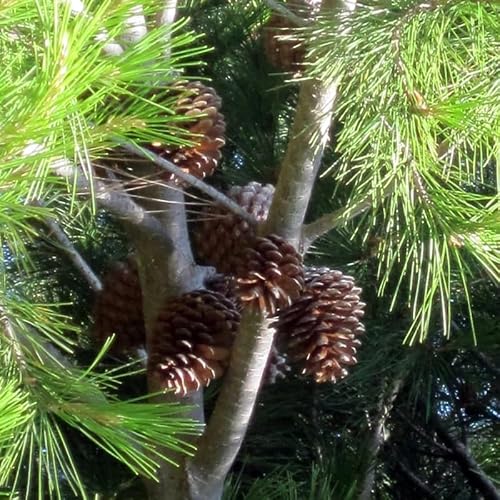
The Afghan Pine, or Mondell Pine, offers hardy, adaptable growth with attractive, year-round greenery. These seeds are suitable for a range of soils, including sandy and rocky types, making them a versatile choice for windbreaks or privacy screens. Easy germination is highlighted, appealing to gardeners seeking a straightforward planting experience without pre-treatment requirements.
Buying Guide
When selecting pine seeds for a home garden, consider climate, soil, and space requirements. Here are key factors and comparisons to guide decisions:
- Climate compatibility: Choose pine species that match your regional conditions (arid, coastal, cool, or mixed climates). Drought tolerance is a plus for dry areas.
- Growth habit and space: Some pines form tall, spreading canopies; others stay compact or are suited for containers. Measure available space to avoid overcrowding.
- Soil preferences: Most pines tolerate well-drained soils, but certain species handle sandy or rocky soils better. Consider soil testing for pH and nutrients.
- Establishment and care: Seedlings may require more time to establish; drought management and irrigation planning help with initial growth.
- Edible or ornamental value: Some options offer pine nuts or dramatic canopies, blending culinary and landscape benefits.
- Hardiness and protection: Young trees may need protection from pests or extreme weather in the first years of growth.
- Genetic origin and guarantees: Look for reputable sellers offering seed guarantees or seedling replacements, particularly for live plants.
By weighing these factors, gardeners can select pine seeds and seedlings that best fit their landscapes, budgets, and long-term goals—whether for edible nut production, ornamental canopy, or windbreak functionality.